Nicotinamide adenine dinucleotide (NAD+) is a coenzyme found in every living cell. It plays an essential role in converting nutrients into energy, supporting cellular metabolism, and helping enzymes involved in DNA repair and stress responses function properly. NAD+ metabolism changes with age, which has sparked interest in ways to maintain healthy levels through everyday habits.
Fasting, exercise, sauna use, and nutrition are often discussed as natural NAD+ boosters. However, their effects are not equally established. Understanding what research actually shows can help you focus on beneficial lifestyle habits without expecting them to deliver results that have not been demonstrated.
What Determines Your NAD+ Levels?
NAD+ exists in two closely related forms, NAD+ and NADH, which help transfer electrons during metabolic reactions. Cells continuously produce, use, and recycle these molecules to maintain essential functions.
NAD+ availability depends on several factors, including its production from dietary precursors, cellular recycling pathways, and consumption by enzymes involved in processes such as DNA repair. Aging and certain health conditions may alter this balance.
Research has linked changes in NAD+ metabolism with aging and metabolic dysfunction. However, a decrease in NAD+ does not occur uniformly across every tissue or individual. Researchers are still investigating whether increasing NAD+ levels consistently improves meaningful health outcomes in humans.
1. Fasting and Calorie Restriction
Fasting changes how the body uses energy. When food intake stops temporarily, the body shifts between metabolic pathways, affecting insulin signaling, fat utilization, and cellular stress responses. Some of these processes interact with NAD+-dependent enzymes, including sirtuins.
Calorie restriction has also produced changes in NAD+ metabolism in animal studies, prompting interest in its potential effects on healthy aging. Human evidence is less conclusive, however, and fasting has not been established as a reliable way to increase NAD+ levels across different tissues. Fasting can also create practical challenges. Extended fasting or aggressive calorie restriction may contribute to inadequate nutrient intake, dizziness, dehydration, or low energy in some individuals.
A practical approach: Focus on a sustainable eating pattern that provides sufficient calories, protein, vitamins, and minerals. Fasting is not necessary for everyone, and people with medical conditions, a history of disordered eating, or medications affected by food intake should seek professional advice before attempting it.
2. Exercise and NAD+ Metabolism
Physical activity influences cellular energy production, mitochondrial function, and the metabolic pathways that use NAD+. During exercise, muscles increase their demand for energy, prompting adaptations that support their ability to meet that demand over time.
Research reviews suggest that exercise can regulate NAD+ metabolism, although responses vary according to exercise type, intensity, training status, and the tissue being studied. The strongest practical reason to exercise is broader than NAD+ alone. Regular activity supports cardiovascular health, insulin sensitivity, strength, mobility, and overall physical function. These benefits do not depend on proving that exercise raises NAD+ levels by a particular amount.
A practical approach: Combine aerobic activity, such as brisk walking or cycling, with resistance training. Start at a manageable level and increase gradually. Consistency is more useful than pursuing extreme workouts in the hope of producing a specific biochemical effect.
3. Can Your Diet Support NAD+ Production?
The body obtains building blocks for NAD+ production from several sources, including vitamin B3 forms such as niacin and nicotinamide, as well as amino acids and other dietary compounds used in its metabolic pathways. Foods containing vitamin B3 include poultry, fish, meat, peanuts, whole grains, and legumes. Dairy products, eggs, and other protein-rich foods can also contribute nutrients needed for normal cellular metabolism.
Eating these foods supports the body’s nutritional requirements, but consuming more of a particular food does not automatically translate into a measurable increase in NAD+ levels. The body regulates NAD+ through multiple pathways, and dietary intake is only one part of this process.
A practical approach: Eat a varied diet that includes adequate protein, whole grains, legumes, nuts, and other nutrient-rich foods. Correcting a nutritional deficiency can support normal metabolism, but taking high doses of vitamins without a demonstrated need is not necessarily beneficial.
4. When Lifestyle Changes May Not Be Enough
Healthy habits provide a foundation for metabolic health, but they do not guarantee that NAD+ levels will increase or that age-related changes will be reversed. This distinction has led researchers to investigate NAD+ precursors and other supplementation approaches.
Studies have found that certain oral precursors, including nicotinamide riboside and nicotinamide mononucleotide, can increase NAD+-related biomarkers. Anyone considering supplementation or prescription-based treatment should discuss the evidence, formulation, potential risks, and individual suitability with a qualified medical provider.
Ultimately, exercise, adequate nutrition, sufficient sleep, and sustainable eating habits remain worthwhile regardless of their specific effects on NAD+. For people interested in going beyond lifestyle measures, a medically informed discussion can help distinguish established health practices from emerging treatments that still require stronger evidence.
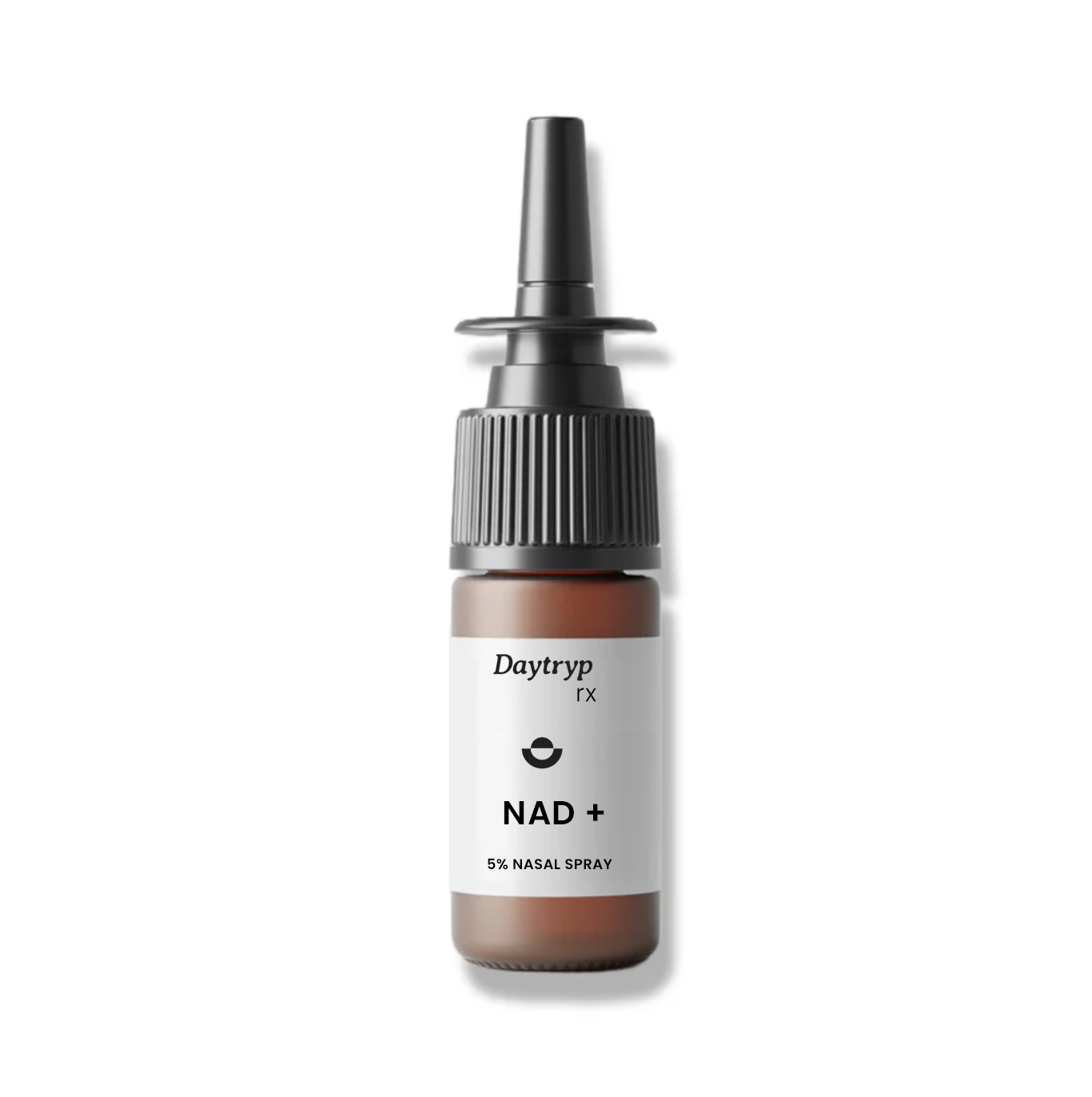
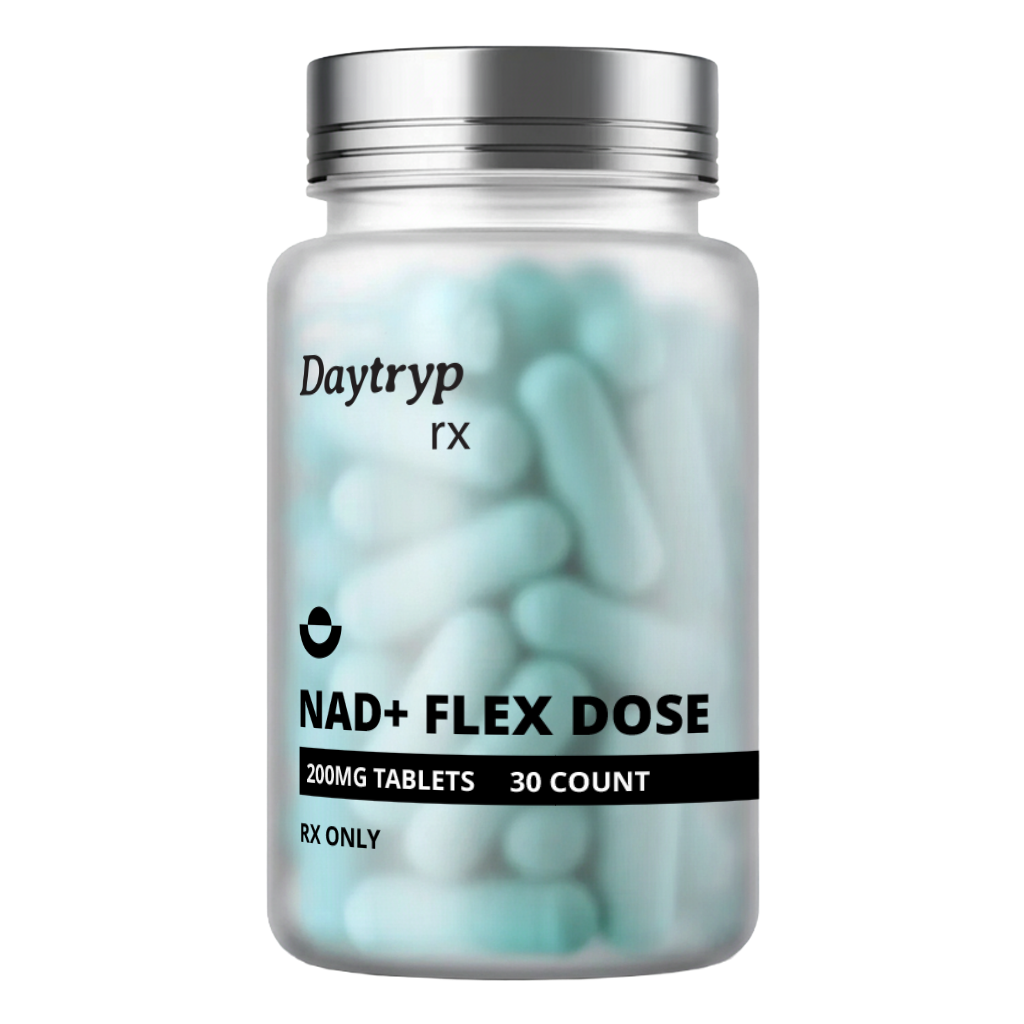
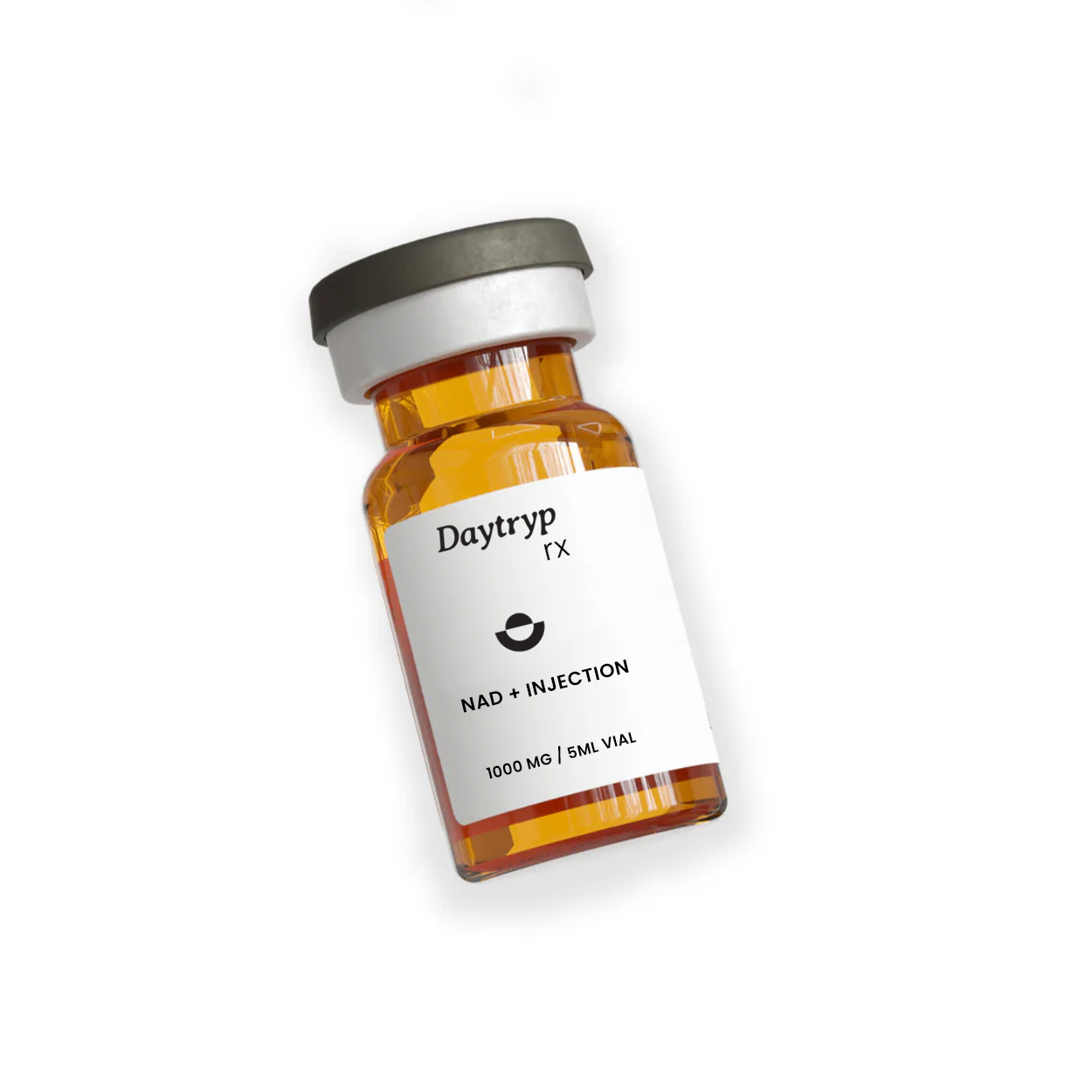
Healthy aging involves more than one pathway, which is why Daytryp RX offers a range of wellness options through its fully online telehealth platform. If you are exploring NAD+ injection options, their licensed medical providers can review your health history and discuss whether a treatment is appropriate. Daytryp RX also offers NAD+ face cream, NAD+ nasal spray, and NAD+ Flex Dose Tablets, alongside glutathione nasal spray for those interested in antioxidant support. For additional wellness goals, tirzepatide oral drops are another available offering, subject to medical evaluation and prescription approval.
Contact them to begin your online consultation and discuss your options.
About the Author
Sophie Bennett covers emerging wellness research, nutritional science, and the biology of healthy aging. Her writing examines the evidence behind popular health approaches, helping readers separate promising research from claims that still require clinical validation.