What Makes CAN Interface ICs a Reliable Choice for Advanced Electronic Communication Networks?
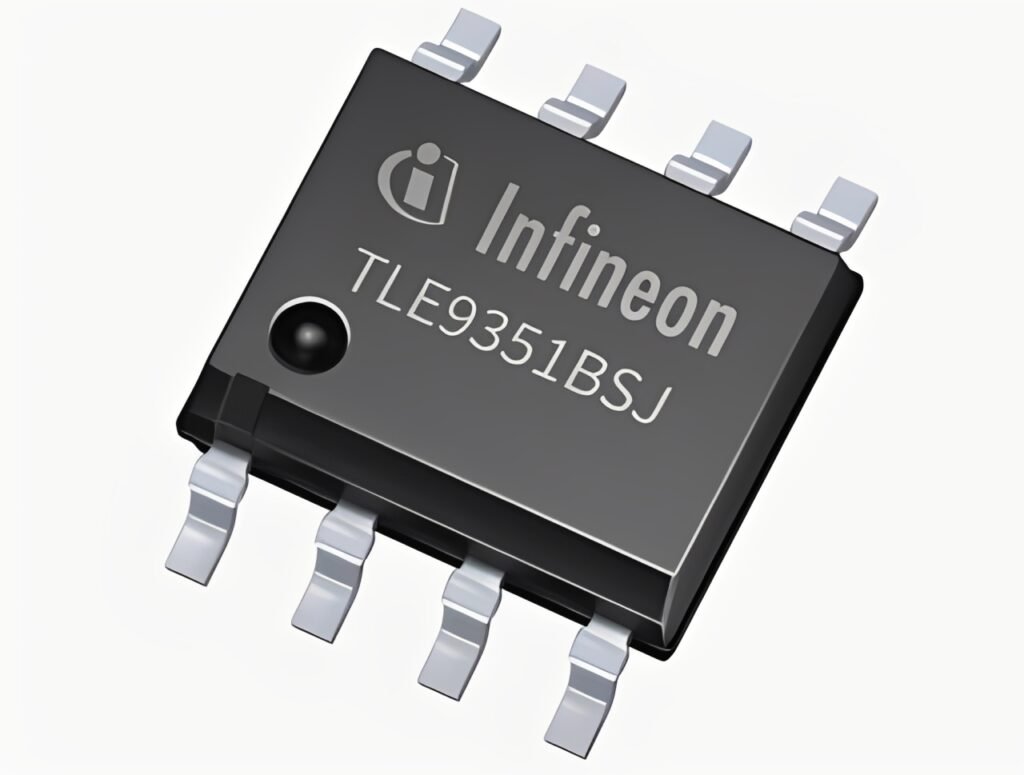
CAN Interface ICs
Introduction:
Electronic technology has transformed the way machines, vehicles, and industrial systems operate. Today’s advanced devices are no longer independent units; instead, they depend on continuous communication between multiple electronic components. Sensors collect information, controllers process data, and different modules exchange instructions to ensure smooth operation.
Reliable communication is one of the most important requirements in modern electronic designs. A communication failure between connected components can reduce performance, create safety concerns, or completely interrupt system functionality. This is why engineers rely on communication technologies that can deliver accurate data transmission even in difficult operating conditions.
CAN Interface ICs have become one of the most trusted solutions for achieving dependable communication between electronic devices. These integrated circuits are designed to connect microcontrollers and electronic control units with a Controller Area Network (CAN), allowing multiple devices to exchange information through a shared communication system.
Originally developed for automotive applications, CAN technology has expanded into industrial automation, medical equipment, robotics, energy systems, and embedded electronics. The ability of CAN Interface ICs to provide high reliability, excellent noise resistance, and efficient communication has made them an essential component in modern electronic architectures.
Understanding the Purpose of CAN Interface ICs
CAN Interface ICs, also known as CAN transceiver integrated circuits, are semiconductor devices that manage communication between a CAN controller and the physical CAN network. They are responsible for converting digital signals from a microcontroller into electrical signals that can travel through the CAN bus.
A typical electronic system contains a microcontroller that manages application functions and a CAN controller that prepares communication messages. However, these digital signals cannot directly travel through a physical network. This is where the CAN Interface IC becomes important.
The CAN Interface IC performs the physical layer communication by:
- Converting digital transmit signals into CAN bus electrical signals
- Receiving signals from the CAN network and transferring them to the controller
- Maintaining signal quality during data transmission
- Protecting communication circuits from electrical disturbances
- Supporting communication between multiple network nodes
Without a CAN Interface IC, electronic modules would not be able to communicate effectively across a CAN network.
How Does CAN Communication Work Through Interface ICs?
The Controller Area Network operates using a multi-master communication structure, allowing multiple devices connected to the network to send and receive information. Unlike traditional communication methods that require separate connections between devices, CAN allows several modules to share the same communication lines.
CAN Interface ICs use two communication wires known as CAN High and CAN Low. These lines work together using differential signaling technology, which improves reliability by reducing the effect of electrical noise.
The communication process involves:
- A microcontroller creates a data message
- The CAN controller prepares the message according to the CAN protocol
- The CAN Interface IC converts the digital information into physical signals
- The CAN bus transfers the information to other connected devices
- Receiving CAN Interface ICs convert the signals back into digital data
This efficient communication method allows electronic systems to exchange information quickly while maintaining stability in challenging environments.
Why Are CAN Interface ICs Important for Automotive Electronics?
The automotive industry has experienced significant growth in electronic technology. Modern vehicles contain numerous electronic control units responsible for managing critical functions such as engine operation, safety systems, entertainment features, and driver assistance technologies.
These control units must communicate continuously to ensure proper vehicle operation. CAN Interface ICs provide the communication foundation that allows these systems to work together.
Automotive applications of CAN Interface ICs include:
- Engine control modules
- Transmission management systems
- Anti-lock braking systems
- Airbag control units
- Electric vehicle battery management systems
- Vehicle diagnostics
- Climate control systems
- Infotainment networks
One of the main reasons CAN Interface ICs are preferred in automotive applications is their ability to operate reliably under harsh conditions. Vehicles experience temperature fluctuations, vibration, electromagnetic interference, and electrical variations. CAN transceiver ICs are designed to withstand these challenges while maintaining stable communication.
The increasing adoption of electric vehicles has further increased the importance of CAN communication. Battery monitoring systems, charging systems, and motor controllers require constant data exchange, making reliable CAN connectivity essential.
The Role of CAN Interface ICs in Industrial Automation
Industrial automation depends heavily on communication between machines, sensors, and controllers. Manufacturing facilities often contain complex networks where hundreds of electronic devices need to exchange information accurately.
CAN Interface ICs provide a practical communication solution for industrial environments because they offer strong reliability and simple network architecture.
Industrial applications include:
- Factory automation equipment
- Programmable logic controllers
- Robotics and motion control systems
- Industrial sensors
- Machine monitoring systems
- Automated production equipment
- Process control systems
In industrial environments, electronic systems often operate near motors, power supplies, and heavy machinery that generate electrical interference. CAN Interface ICs help overcome these challenges through differential communication and advanced protection features.
By enabling stable communication between industrial devices, CAN Interface ICs help improve productivity, reduce downtime, and support smarter manufacturing processes.
What Features Make CAN Interface ICs Reliable?
The reliability of a communication network depends heavily on the capabilities of its physical interface components. Modern CAN Interface ICs include advanced features that improve performance, safety, and operational lifespan.
Important features commonly found in CAN Interface ICs include:
High Electromagnetic Compatibility
Electronic environments often contain electromagnetic interference that can affect communication signals. CAN Interface ICs are designed to maintain reliable operation by minimizing the impact of external electrical disturbances.
Short Circuit Protection
Unexpected electrical faults can damage communication components. Many CAN Interface ICs include short circuit protection to prevent failures and improve system safety.
Thermal Protection
High operating temperatures can affect electronic performance. Thermal shutdown features help protect the IC from excessive heat and prevent permanent damage.
Low Power Operation
Many modern applications require energy-efficient designs. Low-power CAN Interface ICs help reduce energy consumption while maintaining communication availability.
Extended Temperature Capability
Industrial and automotive systems often operate in extreme environments. CAN Interface ICs are available with wide temperature ranges to support demanding applications.
These features allow CAN Interface ICs to provide consistent performance in both commercial and industrial environments.
How Are CAN Interface ICs Different From Other Communication Solutions?
Electronic systems can use various communication methods, including UART, SPI, Ethernet, and other network technologies. However, CAN Interface ICs provide unique advantages for applications that require reliable communication between multiple devices.
Compared with simpler communication methods, CAN offers:
- Better noise immunity
- Improved error detection
- Multi-device network support
- Reduced wiring complexity
- Reliable operation over longer distances
While Ethernet provides higher bandwidth for data-intensive applications, CAN remains popular where reliability, simplicity, and cost efficiency are more important than extremely high data rates.
This balance makes CAN Interface ICs suitable for applications where communication accuracy is critical.
Different Types of CAN Interface ICs Available Today
Manufacturers produce a wide range of CAN Interface IC solutions to meet different application requirements. Selecting the correct type depends on system needs, operating environment, and communication specifications.
Common categories include:
High-Speed CAN Interface ICs
High-speed CAN transceivers are designed for applications requiring fast data communication. They are commonly used in automotive systems and industrial control applications.
Low-Power CAN Interface ICs
Low-power versions are ideal for battery-operated devices and energy-sensitive applications. They help extend battery life while maintaining network communication.
Automotive-Grade CAN Interface ICs
Automotive-grade devices are tested for reliability in vehicle environments. They typically include additional protection features and support demanding temperature conditions.
Fault-Protected CAN Interface ICs
These devices are designed for applications where electrical safety is extremely important. They provide additional protection against voltage issues and communication faults.
CAN FD Interface ICs
CAN Flexible Data Rate (CAN FD) technology improves traditional CAN communication by allowing higher data payloads and faster transmission speeds. CAN FD Interface ICs support modern applications requiring increased communication capacity.
Applications Beyond Automotive and Industrial Markets
Although automotive and industrial systems are major users of CAN Interface ICs, these components are also valuable in many other industries.
Additional applications include:
Medical Equipment
Medical devices require accurate communication between sensors, controllers, and monitoring systems. CAN Interface ICs help maintain dependable data exchange in healthcare equipment.
Renewable Energy Systems
Solar power systems, energy storage solutions, and smart grid technologies use communication networks to monitor and control different components. CAN Interface ICs support reliable connectivity between these systems.
Robotics
Robots depend on communication between motors, sensors, and control units. CAN networks provide an efficient way to manage multiple robotic components.
Agricultural Equipment
Modern farming equipment uses electronic control systems for automation and monitoring. CAN Interface ICs enable communication between different agricultural modules.
Aerospace and Transportation
Transportation systems require communication technologies that can operate reliably in demanding conditions. CAN solutions provide a proven method for connecting electronic systems.
How Should Engineers Select the Right CAN Interface IC?
Choosing the correct CAN Interface IC is an important step in designing a reliable electronic system. Engineers must consider several technical requirements before selecting a suitable component.
Important selection factors include:
- Compatibility with the microcontroller and CAN controller
- Required communication speed
- Supply voltage requirements
- Network size and distance
- Power consumption limits
- Operating temperature conditions
- Protection requirements
- Industry-specific standards
The correct CAN Interface IC should provide enough performance for the application while maintaining efficiency and reliability.
Engineers should also consider future system expansion. Selecting a flexible CAN solution can help accommodate additional devices and communication requirements later.
The Future Development of CAN Interface IC Technology
The demand for connected electronic systems continues to grow. Smart vehicles, automated factories, and intelligent devices require communication technologies that can handle increasing complexity.
CAN Interface ICs will continue evolving to support future innovations. Improvements in semiconductor technology are helping manufacturers develop smaller, more efficient, and more powerful communication solutions.
Future developments are expected to support:
- Advanced electric vehicle architectures
- Smart manufacturing systems
- Connected industrial devices
- Intelligent transportation solutions
- Embedded artificial intelligence applications
Although new communication technologies continue to emerge, CAN remains highly valuable because of its proven reliability and cost-effectiveness.
Conclusion
CAN Interface ICs play a critical role in connecting electronic systems and enabling reliable communication between multiple devices. Their ability to provide stable data transmission, strong protection, and excellent resistance against interference has made them a preferred solution across many industries.
From automotive electronics and industrial automation to robotics, energy systems, and embedded applications, CAN Interface ICs provide the communication foundation required for modern technology.
As electronic systems continue becoming smarter and more interconnected, the need for dependable communication components will continue increasing. CAN Interface ICs will remain an important technology for engineers developing reliable, efficient, and future-ready electronic solutions.