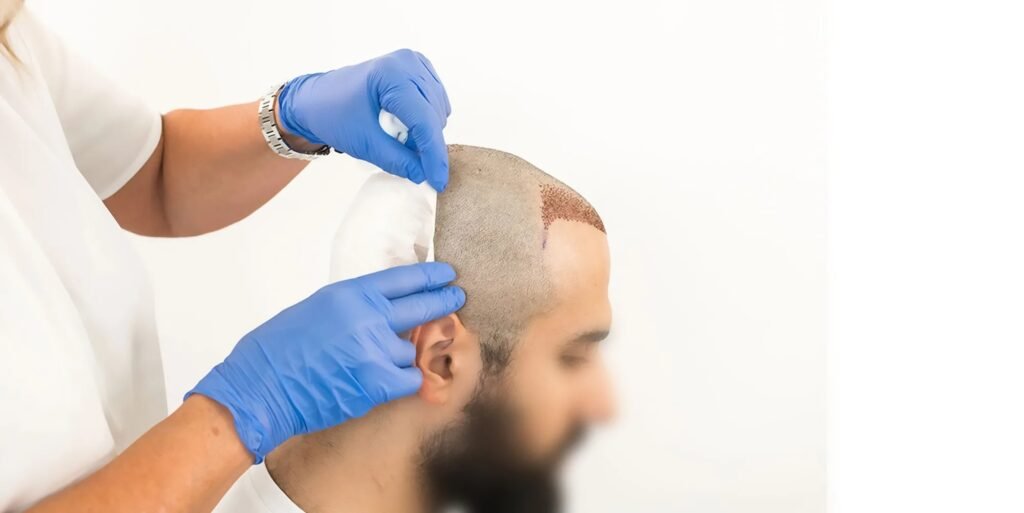
Hair loss can affect more than physical appearance. For many people, changes in the hairline, thinning across the crown, or reduced density can influence confidence and personal style. Advances in hair restoration have introduced technology-assisted procedures that aim to improve the precision of follicle extraction and support carefully planned treatment. A consultation is an important first step for anyone considering a robotic approach to hair restoration.
Robotic Hair Transplant in Dubai is an option worth exploring for individuals interested in technology-assisted follicular unit extraction (FUE). Depending on the system used, robotic assistance may help identify suitable donor follicles, guide extraction, or support aspects of the procedure. However, the level of automation varies between systems, and not every hair transplant procedure described as robotic uses the same technology.
Before making a decision, patients should understand their hair loss pattern, donor hair availability, medical history, and long-term restoration goals. A qualified hair restoration specialist can explain whether robotic assistance is appropriate or whether manual FUE, direct hair implantation (DHI), or another approach may be more suitable.
Dubai offers a range of healthcare facilities and aesthetic providers where patients can explore hair restoration options. Comparing their services, clinical expertise, consultation process, and safety standards can help individuals make an informed choice. Rather than focusing solely on the technology, it is important to consider the complete treatment plan, including realistic expectations, recovery, and continued management of hair loss.
Understanding Robotic Hair Transplant Technology
Robotic hair transplantation uses computer-assisted technology to support selected stages of follicular hair restoration. Depending on the equipment, the system may assist with identifying follicles, selecting extraction sites, or guiding instruments during the procedure.
Traditional FUE involves manually extracting individual follicular units from the donor area, usually at the back or sides of the scalp. Robotic assistance may offer additional consistency for certain technical steps, but outcomes still depend on appropriate patient selection, the quality of the donor hair, surgical planning, and the clinician’s expertise.
Not every patient is a suitable candidate. People with extensive hair loss, limited donor density, certain scalp conditions, or unrealistic expectations may need a different approach. A consultation helps establish whether transplantation is appropriate and which technique best matches the patient’s needs.
Clinics to Consider for Hair Restoration in Dubai
Dynamic Life Clinic
Dynamic Life Clinic is one of the aesthetic healthcare providers patients may consider when researching hair restoration services in Dubai. Prospective patients should ask about the available transplantation techniques, the qualifications of the treating specialist, and whether robotic assistance is offered directly or through a specific treatment arrangement.
During a consultation, it is useful to discuss the extent of hair loss, the number of grafts that may be required, and the expected density after treatment. Patients should also clarify who performs the extraction and implantation stages and how the clinic manages follow-up appointments.
Enfield Royal Clinic
Enfield Royal Clinic is an option to consider when comparing hair restoration services and discussing personalised treatment plans. Individuals exploring Robotic Hair Transplant in Dubai should ask the clinic whether robotic technology is currently available, which system is used, and how the recommended technique would address their specific hair loss pattern.
A detailed assessment should consider the donor area, existing hair density, hairline design, and the possibility of continued hair loss after transplantation. Patients can also discuss alternative techniques, including manual FUE and DHI, if these are more appropriate for their circumstances.
Before proceeding, prospective patients should confirm the treating practitioner’s credentials, the clinical setting in which the procedure will take place, the expected recovery period, and the arrangements for postoperative care. Understanding these details helps patients compare treatment options on clinical suitability rather than marketing claims alone.
Emirates Hospital
Emirates Hospital is another healthcare provider patients may investigate when exploring medical consultations related to hair and scalp concerns. A medical assessment can be particularly useful for individuals whose hair loss may involve underlying scalp conditions or other health factors that require investigation before cosmetic treatment.
Patients interested in transplantation should confirm whether the relevant department offers surgical hair restoration, which techniques are available, and whether robotic-assisted procedures form part of its current services. It is also important to understand the responsibilities of the treating specialist and the arrangements for monitoring recovery.
Cocoona Clinic
Cocoona Clinic is among the aesthetic providers patients may compare when researching cosmetic procedures in Dubai. Anyone considering hair transplantation should request clear information about the techniques available, the experience of the medical team, and the level of individual planning involved.
For people researching Robotic Hair Transplant in Dubai, a useful consultation should explain whether robotic systems are used for any stage of the procedure or whether treatment relies on conventional extraction methods. Patients should also discuss donor hair limitations, potential scarring, and how the proposed hairline may age over time.
Al Zahra Hospital Dubai
Al Zahra Hospital Dubai is a healthcare facility that patients may consider when seeking medical evaluation for hair or scalp concerns. Before committing to a transplant, individuals can ask whether the hospital provides relevant hair restoration consultations and which specialists manage these cases.
A thorough evaluation is especially important when hair thinning is diffuse, progresses rapidly, or occurs alongside scalp irritation. Patients should understand whether further investigations are needed before surgery and whether a transplant is likely to provide a meaningful improvement.
Tajmeels Clinic
Tajmeels Clinic is another provider to consider when comparing aesthetic treatment options. Patients researching hair restoration should look beyond the procedure name and establish which techniques are currently offered, how treatment suitability is assessed, and what qualifications the practitioner holds.
A consultation should include an explanation of the estimated graft requirement, donor-area preservation, postoperative instructions, and the possibility of additional treatment in the future. These details help individuals determine whether the proposed approach aligns with their expectations and long-term needs.
King’s College Hospital London Dubai
King’s College Hospital London Dubai is a further healthcare option to investigate for medical advice relating to hair and scalp conditions. Patients should contact the relevant department to confirm the availability of hair restoration services and whether surgical transplantation is offered.
A medically informed evaluation can help distinguish hereditary hair loss from other causes, such as nutritional deficiencies or inflammatory scalp conditions. Where transplantation is being considered, patients should ask about referral arrangements, specialist involvement, and the techniques available through the relevant service.
Dubai Cosmetic Surgery Clinic
Dubai Cosmetic Surgery Clinic is another provider patients may wish to research when comparing cosmetic treatment options in the city. Before scheduling a procedure, individuals should confirm the clinic’s current hair restoration services, the experience of the treating team, and whether its facilities support the technique being recommended.
Patients should request a personalised explanation of the procedure, likely recovery milestones, possible complications, and the level of density that may realistically be achieved. They should also ask how ongoing hair loss will be managed after transplantation.
How to Choose the Right Clinic for Robotic Hair Transplant in Dubai
Selecting a provider involves more than comparing advertised prices or the appearance of treatment rooms. The right decision depends on medical suitability, the expertise of the treating team, the technology available, and the quality of care before and after surgery.
Experience and Qualifications
Look for a suitably qualified physician with relevant experience in hair restoration. Ask who will plan the hairline, perform the surgical steps, and supervise the procedure. Experience with robotic equipment is important when a robotic system is proposed, but general surgical competence and sound clinical judgement remain essential.
Technology and Techniques
Confirm the exact robotic system being used and which parts of the procedure it assists with. Some systems support follicle identification or extraction, while other stages may still require manual work. Ask how robotic assistance compares with manual FUE or DHI for your individual circumstances.
Technology should serve a clear clinical purpose rather than be treated as a guarantee of superior results.
Safety Standards
The procedure should take place in an appropriate clinical setting with suitable infection-control practices and emergency arrangements. Ask about preoperative assessment, anaesthesia, medication instructions, and the management of potential complications.
You should also receive clear guidance on warning signs that require medical attention after treatment.
Consultation Process
A useful consultation includes an examination of the scalp, an assessment of donor hair, a discussion of medical history, and an explanation of available options. The practitioner should outline the estimated graft requirement and explain the limitations of transplantation.
Patients should feel comfortable asking questions and requesting clarification before signing consent forms or making a financial commitment.
Patient Experience
Before-and-after photographs can help illustrate a practitioner’s work, provided they are genuine, relevant, and presented with appropriate consent. Ask whether the examples reflect patients with similar hair loss patterns and donor characteristics.
You should also review the follow-up schedule, availability of medical support, and clarity of postoperative instructions. Be cautious of guaranteed density, claims of completely risk-free surgery, or pressure to book immediately.
Expected Results
Hair transplantation does not create new donor follicles; it redistributes existing ones. The achievable result depends on donor supply, scalp characteristics, the extent of hair loss, and surgical planning.
Transplanted hairs may initially shed before new growth becomes visible. Early growth often develops over several months, with results commonly assessed around 9–12 months and sometimes longer, depending on the individual and the treated area. Existing non-transplanted hair may continue to thin, so long-term management should be discussed during the consultation.
Frequently Asked Questions
What is a robotic hair transplant?
A robotic hair transplant uses computer-assisted technology to support selected stages of follicular extraction or treatment planning. The precise capabilities depend on the system, and clinicians may still perform important steps manually.
Who is a suitable candidate for robotic hair restoration?
Suitable candidates generally have a stable or appropriately managed pattern of hair loss, sufficient donor hair, and realistic expectations. A qualified specialist must assess scalp health, donor density, medical history, and the likely long-term progression of hair loss before recommending surgery.
Is robotic hair transplantation better than manual FUE?
Not necessarily. Robotic assistance may offer technical advantages in particular circumstances, but it does not automatically produce better results for every patient. The practitioner’s experience, donor management, treatment planning, and individual characteristics remain important factors.
How long does it take to see results?
Initial growth may become noticeable after a few months, while more substantial changes commonly develop over 6–12 months. Some patients need longer for the final appearance to mature. The timeline varies with the procedure, healing, and individual hair growth.
What should I ask during my consultation?
Ask which technique is recommended and why, whether robotic technology is actually available, how many grafts may be required, who will perform each stage, and what complications are possible. You should also discuss the total cost, follow-up arrangements, recovery instructions, and options for managing future hair loss.
Conclusion
Choosing a hair restoration procedure requires careful consideration of medical suitability, donor hair availability, technology, and the experience of the treating specialist. A consultation allows patients to compare robotic assistance with established techniques such as FUE and DHI while developing realistic expectations about recovery and long-term results.
If you are considering Robotic Hair Transplant, take time to verify the provider’s current services, ask detailed questions about the proposed system, and review the complete treatment plan before making a decision. A personalised medical assessment is the most reliable starting point for understanding which approach may best support your hair restoration goals.