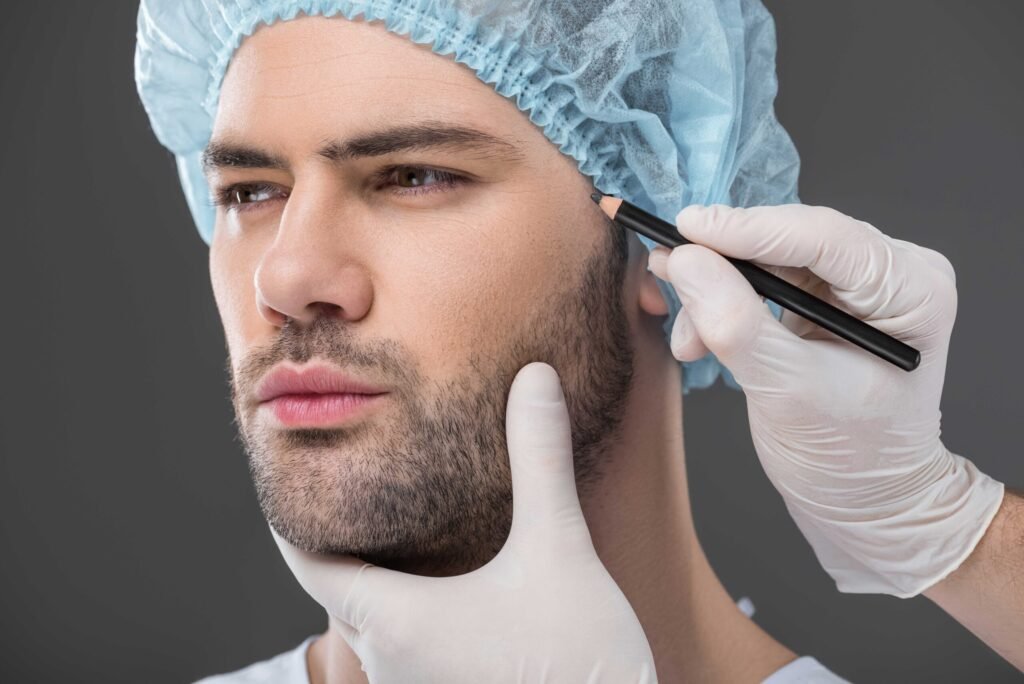
A well-defined beard can enhance facial proportions, create a more balanced appearance, and help men feel more confident about their overall look. However, not everyone develops the desired beard density naturally. Genetics, hormonal factors, scarring, previous injuries, and uneven follicular growth can contribute to patchy cheeks, sparse sideburns, or gaps around the chin and jawline. For men who want a fuller appearance, a beard transplant consultation can help determine whether surgical restoration is an appropriate option.
Choosing a Beard Hair Transplant in Dubai begins with understanding the cause of limited facial hair growth and identifying a suitable treatment approach. During a consultation, a qualified medical professional can assess the existing beard pattern, examine the donor area, discuss facial proportions, and explain the potential outcomes. This evaluation is important because successful restoration depends on more than simply adding grafts. Hair direction, angle, density, and distribution all influence how natural the final beard may look.
Dubai offers a range of aesthetic clinics and hospitals where patients can explore hair restoration services. Before making a decision, it is worth comparing practitioner qualifications, surgical techniques, safety protocols, and follow-up arrangements. Patients should also understand the recovery process, possible complications, and the realistic limitations of transplantation.
Booking an initial assessment provides an opportunity to discuss individual goals, review available options, and receive a treatment recommendation based on personal needs rather than general expectations.
Clinics to Consider for Beard Restoration in Dubai
Dynamic Life Clinic
Dynamic Life Clinic is one of the aesthetic healthcare providers patients may consider when exploring appearance-related treatments in Dubai. Men researching facial hair restoration can use an initial consultation to ask about available services, practitioner experience, and the suitability of surgical procedures for their particular concerns.
For anyone considering a beard transplant, it is important to establish whether the clinic provides the procedure directly and which medical professional would perform it. Patients should also ask about donor hair assessment, graft placement, expected density, and postoperative monitoring before committing to treatment.
Enfield Royal Clinic
Enfield Royal Clinic is an option for patients exploring cosmetic and hair restoration services in Dubai. Men interested in a Beard Hair Transplant in Dubai can enquire about consultation availability, treatment suitability, and the process involved in developing a personalised facial hair restoration plan.
An effective assessment should consider the patient’s natural beard growth, facial structure, donor hair characteristics, and preferred style. The medical team should explain whether transplantation is appropriate, what level of coverage may be achievable, and how graft placement can support a natural-looking result. Prospective patients should also confirm the qualifications of the treating practitioner, the surgical setting, the technique offered, and the follow-up care included in their treatment plan.
Rather than focusing solely on the number of grafts, patients should discuss how the proposed distribution will complement their cheeks, chin, moustache, and jawline. Clear communication during the consultation helps establish realistic expectations and allows patients to make a more informed decision.
Emirates Hospital
Emirates Hospital is an established healthcare provider in Dubai that patients may consider when researching medical consultations and specialist services. Its broader healthcare setting may appeal to individuals who value structured medical assessment and clear information about treatment risks.
Patients considering facial hair restoration should contact the hospital to verify whether beard transplantation is currently available and which specialist, if any, performs the procedure. It is also sensible to ask about preoperative assessment, infection prevention, anaesthesia arrangements, and postoperative support. Confirming these details directly helps ensure that the selected provider matches the patient’s specific needs.
Cocoona Clinic
Cocoona Clinic is another aesthetic provider that prospective patients may research when comparing cosmetic treatment options in Dubai. For men concerned about uneven beard growth, an initial discussion can help clarify the difference between surgical transplantation and other approaches that may be appropriate for particular causes of facial hair loss.
Before booking, patients should verify whether beard transplantation is offered and request information about the surgeon’s experience with facial hair procedures. Beard restoration requires careful attention to the direction and angle of individual follicles because facial hair grows differently from scalp hair. A suitable treatment plan should account for these differences rather than treating the beard as a simple extension of the scalp.
Tajmeels Clinic
Tajmeels Clinic is among the providers patients may investigate when researching aesthetic treatments in Dubai. Men interested in improving beard coverage should establish which hair restoration services are available and whether a consultation with an appropriately qualified transplant surgeon can be arranged.
Useful consultation questions include how the donor area will be evaluated, whether existing facial hair needs to be preserved, and how the practitioner plans to distribute grafts across sparse areas. Patients should also request an explanation of the likely recovery period and the possibility of temporary redness, swelling, shedding, or uneven growth during healing.
Al Zahra Hospital Dubai
Al Zahra Hospital Dubai provides a broad range of healthcare services and may be relevant to patients seeking medical guidance for concerns affecting their appearance. Individuals researching beard restoration should verify the availability of the specific procedure and the credentials of any specialist offering it.
A comprehensive evaluation is particularly important when patchy facial hair is associated with skin conditions, scarring, or unexplained hair loss. Depending on the clinical findings, a medical assessment may be advisable before considering surgery. Patients should ask whether the proposed provider offers the necessary diagnostic evaluation, surgical expertise, and follow-up arrangements.
Dubai Cosmetic Surgery Clinic
Dubai Cosmetic Surgery Clinic is another provider patients may wish to investigate when comparing cosmetic procedures in the emirate. Men exploring facial hair enhancement should confirm whether beard transplantation is part of its current services and ask about the experience of the clinician responsible for the procedure.
A useful consultation should address the intended beard shape, the density that can reasonably be achieved, donor hair availability, and the number of sessions that may be required. Patients should also understand the difference between a desired cosmetic appearance and the outcome that their individual hair characteristics can support.
King’s College Hospital London Dubai
King’s College Hospital London Dubai is a healthcare provider that patients may consider when looking for specialist medical assessment. Those experiencing facial hair loss alongside skin irritation, scarring, or other medical concerns may benefit from discussing the appropriate diagnostic pathway with a qualified clinician.
However, patients should verify directly whether the hospital currently offers beard transplantation or can refer them to a suitable specialist. Before choosing any provider, it is important to distinguish between general medical expertise and specific experience in performing facial hair transplant procedures.
How to Choose the Right Clinic for Beard Hair Transplant in Dubai
Selecting a provider requires more than comparing prices or promotional photographs. The quality of the assessment, the practitioner’s experience, and the suitability of the proposed treatment all contribute to the overall experience and potential outcome.
Experience and Qualifications
Look for a suitably licensed medical practitioner with specific experience in hair transplantation and facial hair restoration. Ask who will perform the extraction and implantation stages, what training they have completed, and whether their previous work includes beard procedures.
Scalp transplantation and beard transplantation share certain principles, but facial restoration requires specialised attention to follicular direction, skin characteristics, and facial symmetry.
Technology and Techniques
Follicular unit extraction, commonly called FUE, is a technique in which individual follicular units are harvested from a donor area and implanted into the recipient region. It is commonly used in beard restoration, although the appropriate method depends on the patient’s circumstances and the surgeon’s assessment.
Ask which technique is proposed, why it is suitable, and how the team plans to control the angle, direction, and spacing of the implanted follicles. Technology can support precision, but the practitioner’s judgement and surgical skill remain essential.
Safety Standards
A beard transplant is a surgical procedure and carries potential risks, including infection, bleeding, scarring, poor graft survival, altered sensation, and an unnatural hair pattern. A responsible provider should explain these risks and describe how they are managed.
Confirm that the procedure takes place in an appropriate medical setting, that sterile protocols are followed, and that any relevant medical conditions or medications are reviewed before surgery.
Consultation Process
A useful consultation should include an examination of the beard area and donor region, a discussion of medical history, and an assessment of the patient’s goals. The practitioner should explain whether the available donor hair is sufficient and whether the desired beard design is realistic.
Patients should receive a clear treatment proposal covering the estimated graft requirement, procedure details, costs, recovery instructions, and follow-up appointments. Avoid making a decision under pressure or relying on guaranteed-result claims.
Patient Experience
Communication and aftercare are important parts of the treatment journey. Ask who will answer questions after surgery, how concerns will be handled, and when follow-up assessments will take place.
If before-and-after photographs are provided, check whether they represent comparable lighting, angles, and healing stages. Photographs can help illustrate possible outcomes, but individual results vary.
Expected Results
Newly transplanted hairs commonly shed during the early healing period before new growth develops. Visible improvement usually takes several months, while the final appearance may take around 9–12 months or longer, depending on individual healing and hair growth.
The final density cannot be guaranteed. Donor hair characteristics, graft survival, skin healing, and the size of the recipient area all affect the outcome. A qualified practitioner should explain these variables before treatment begins.
Frequently Asked Questions
Who is a suitable candidate for a beard transplant?
Men with naturally sparse facial hair, patchy beard growth, or certain types of stable scarring may be suitable candidates. Adequate donor hair and good general health are important considerations. A medical assessment is necessary to determine suitability.
How many grafts are needed for a beard transplant?
The number varies according to the size of the area, existing hair density, desired coverage, and donor hair availability. Smaller patches may require fewer grafts than extensive cheek, jawline, or full-beard restoration. The surgeon should provide an individual estimate after examining the beard and donor areas.
Is a beard transplant painful?
The procedure is generally performed using local anaesthesia, which helps minimise discomfort during surgery. Some patients experience temporary tenderness, swelling, or soreness afterwards. The treating practitioner should explain the anaesthesia process and appropriate pain management.
How long does recovery take after a beard transplant?
Initial healing generally takes around one to two weeks, although redness and other temporary changes may persist longer in some patients. Transplanted hairs may shed before new growth begins. Patients should follow their surgeon’s instructions regarding washing, shaving, exercise, and sun exposure.
What should I ask during a Beard Hair Transplant in Dubai consultation?
Ask about the surgeon’s qualifications, experience with beard procedures, proposed graft count, donor hair suitability, expected growth timeline, potential complications, total treatment cost, and aftercare arrangements. You should also clarify whether the quoted price includes follow-up visits and any necessary additional treatment.
Conclusion
A beard transplant can offer a long-term option for men seeking improved facial hair coverage, but the outcome depends on careful planning, suitable donor hair, skilled graft placement, and appropriate aftercare. Taking time to compare providers and understand the procedure can help reduce uncertainty and support informed decision-making.
Before booking a Beard Hair Transplant consultation, confirm that the provider offers the procedure, verify the treating practitioner’s qualifications, and ask for a personalised assessment of your goals and expected results. A thorough consultation should provide clear information about technique, safety, recovery, costs, and realistic outcomes. With the right medical guidance, patients can evaluate their options and decide whether beard restoration is an appropriate step towards their desired appearance.