
A rooftop terrace offers a view no backyard patio can match.

Most people picture a hot tub tucked into a corner of the backyard patio, but that’s far from the only option. Rooftop terraces, enclosed porches, poolside decks, and standalone platforms can all accommodate a spa, each with its own planning requirements and payoff.
Working with a dealer that offers a hot tub package with delivery and installation makes it much easier to figure out whether an unconventional spot is actually realistic before committing to it.
Rooftop Terraces: Maximum View, Maximum Planning
A rooftop hot tub delivers views no backyard installation can match, but it also comes with the most demanding engineering requirements of any location on this list.
A filled hot tub typically exerts somewhere between 100 and 125 pounds per square foot, while most residential roofs and decks are only built to handle 40 to 50 pounds per square foot of live load. That gap means a rooftop installation almost always requires a structural engineer to evaluate the load path and, in many cases, additional framing or a raised support system before a spa can safely go in.
Before considering a rooftop spot, plan for:
- A licensed structural engineer’s assessment of the existing roof or terrace
- Possible reinforcement, additional beams, or a load-spreading platform
- Crane access for delivery, since rooftop spas usually can’t be carried up standard stairwells
- Local permitting, which is almost always required for rooftop installations
Enclosed Outdoor Rooms and Three-Season Porches
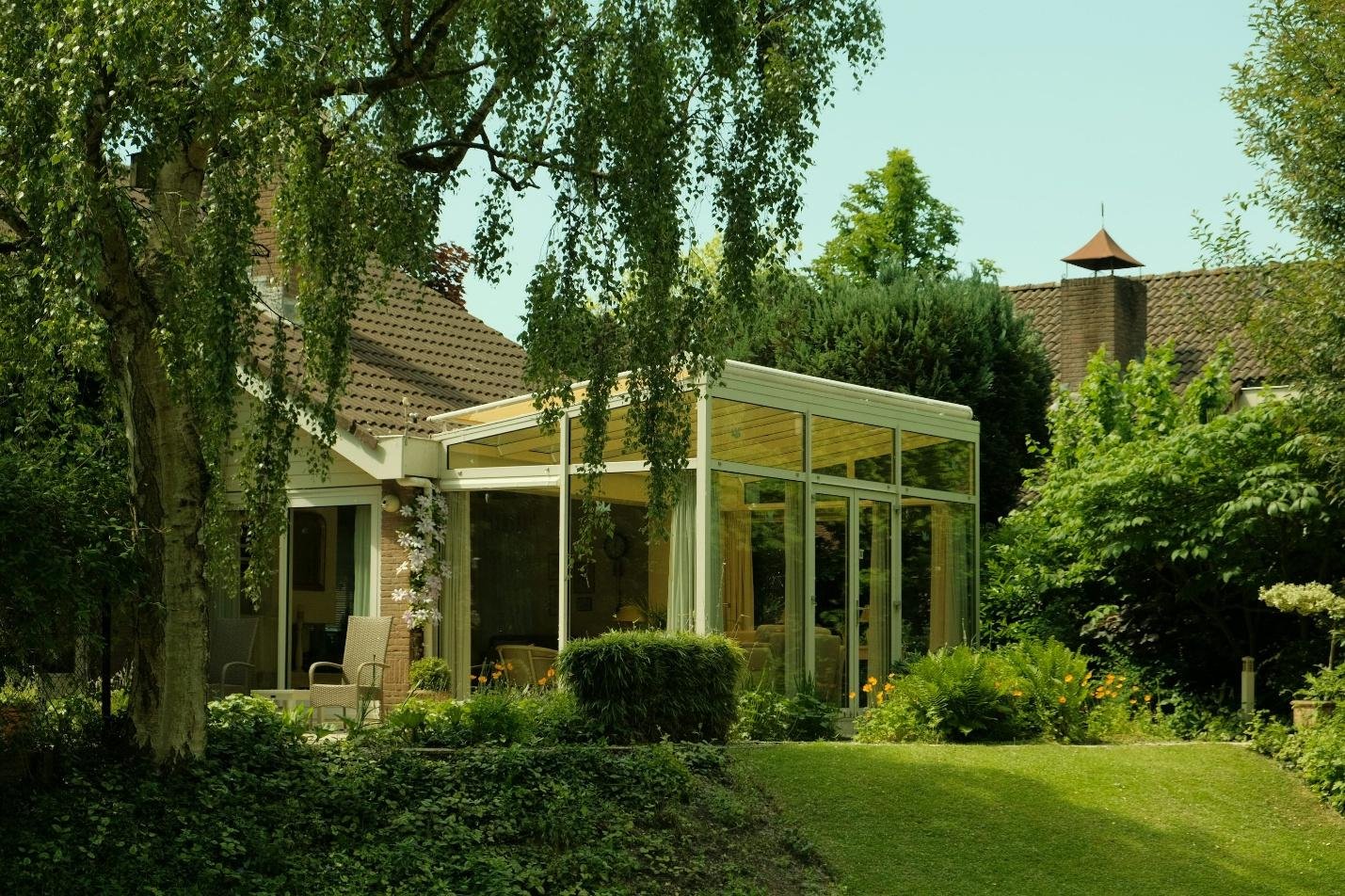
An enclosed porch or three-season room offers weather protection without losing the feeling of being outdoors, but moisture management becomes the central concern.
A hot tub releases a significant amount of humidity, especially with the cover off. In an enclosed space, that moisture needs somewhere to go, or it will eventually show up as condensation, mold, or damage to wood framing and drywall.
Homeowners considering this option should plan for:
- Dedicated ventilation or a dehumidification system rated for the space
- Moisture-resistant building materials, including corrosion-resistant hardware
- A drainage plan for the room itself, not just the spa
Poolside Installations
Placing a hot tub next to an existing pool is one of the more practical unconventional locations, since a lot of the groundwork, decking, fencing, and often the electrical service, may already be in place.
This setup is common not just for single-family backyards but also for shared amenity spaces. An apartment complex hot tub supplier often handles poolside installations differently than a single residential unit, accounting for higher usage, code compliance for shared facilities, and more robust filtration.
For a residential poolside spot, it’s worth confirming:
- Whether existing pool fencing already meets code for the added hot tub
- Enough clearance between the pool and spa for safe movement between the two
- Separate, dedicated electrical service rather than sharing a circuit with pool equipment
Spacious Decks Away from the House
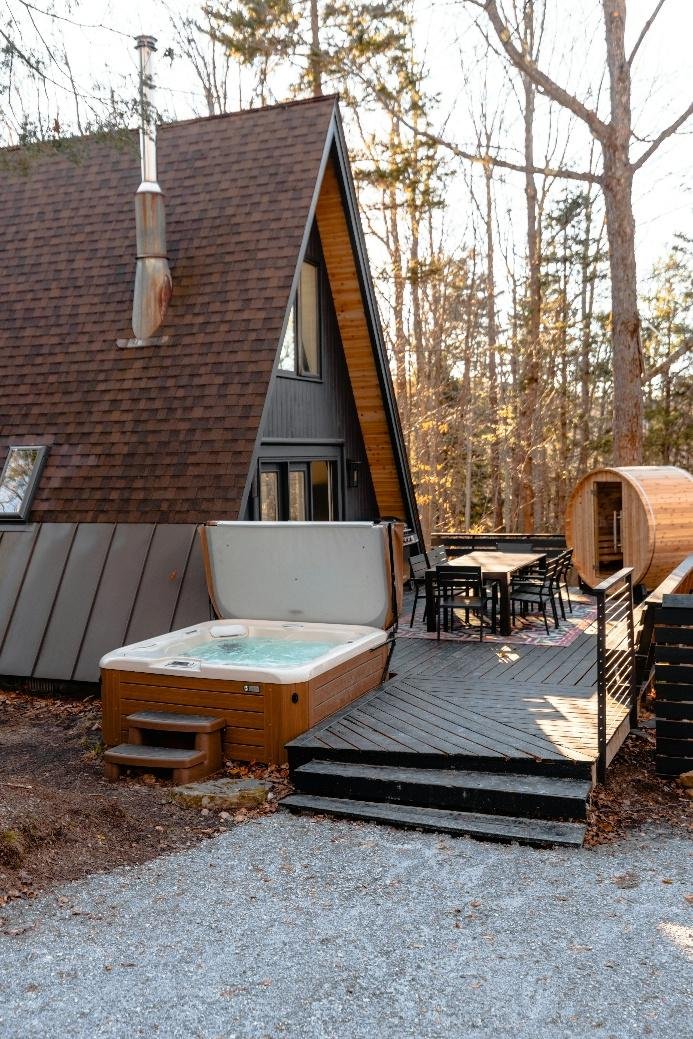
A deck positioned away from the house, rather than attached to it, offers more privacy and can reduce noise transfer into the home, but it still needs the same structural attention as any elevated installation.
Ground-level decks are generally easier to reinforce than rooftop structures, since support posts can often run straight down to footings rather than relying entirely on existing framing. That said, a standard deck built for foot traffic alone is rarely rated to hold a filled spa without modification, and the same 100-plus pounds per square foot figure applies regardless of how close the deck sits to the ground.
Choosing the Right Spot for Your Property
Every unconventional location comes down to the same core questions: can the structure safely hold the weight, can utilities reach the spot reasonably, and does the location fit how the space will actually be used. A rooftop view is only worth it if the structure underneath can support it safely, and an enclosed room is only comfortable if moisture is properly managed. Skipping any of these questions tends to turn an exciting installation into a costly one.
Factory Direct Hot Tubs works with Connecticut homeowners to evaluate unconventional locations before delivery day, not after. Their team can help determine whether a specific rooftop, porch, or poolside spot is realistic, and those comparing options can shop hot tub packages to see which models fit a given space and budget, including the best hot tub deal in CT for a given size and location.
Author Bio
The author is an outdoor living and home improvement writer who covers backyard design, renovation planning, and homeowner decision-making. Their work focuses on practical, research-backed guidance for creating functional outdoor spaces.