Best Plastic Surgeon in Dubai for Sculptra Fillers Quality Assurance
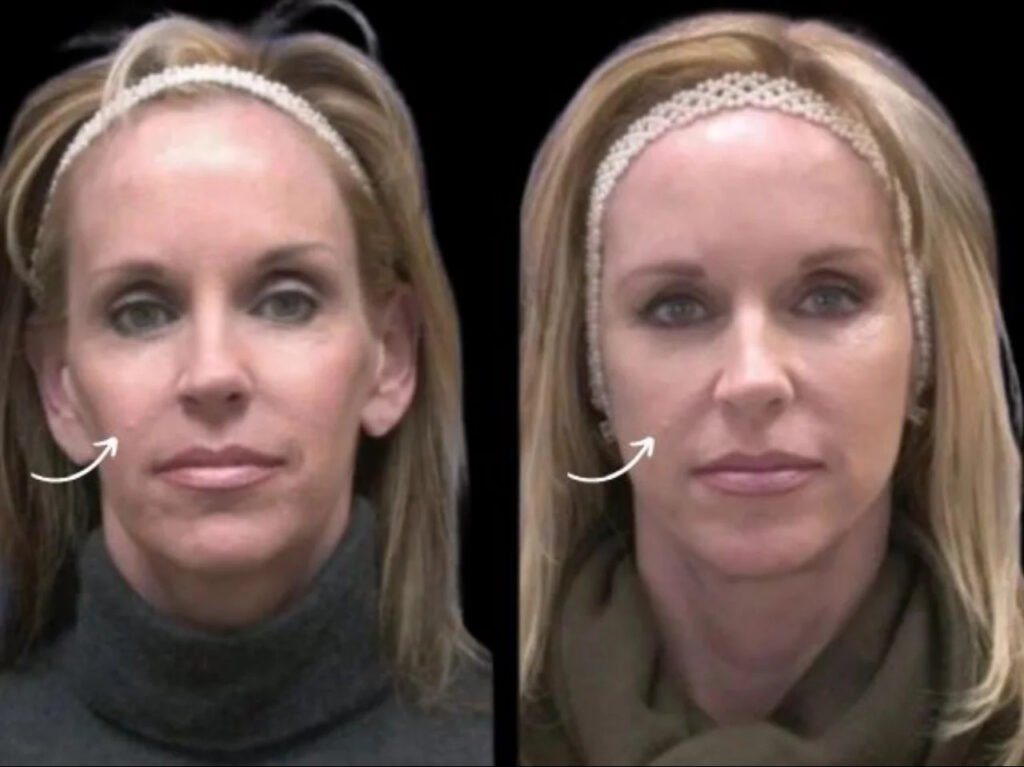
Sculptra fillers have become an increasingly discussed option for people seeking gradual improvements in facial structure, skin quality, and selected body contours. Unlike traditional fillers designed primarily to provide immediate volume, Sculptra is a poly-L-lactic acid (PLLA) injectable that works by stimulating the body’s collagen-production process over time. Because the treatment develops progressively, quality assurance depends heavily on appropriate patient assessment, treatment planning, injection technique, product handling, and follow-up care.
Choosing a Best Plastic Surgeon in Dubai involves looking beyond promotional claims. Patients should consider the practitioner’s qualifications, experience with injectable treatments, understanding of facial and body anatomy, assessment process, and commitment to safe treatment protocols. These factors can help establish a structured approach to Sculptra treatment while keeping expectations realistic.
At Perfect Doctors Clinic, treatment planning can focus on individual anatomy, skin condition, aesthetic goals, and the areas being considered. Whether someone is researching sculptra in dubai, facial rejuvenation, or body contouring, quality assurance begins with determining whether the treatment is appropriate for the individual.
Understanding Sculptra Fillers and Quality Assurance
What Makes Sculptra Different?
sculptra fillers are designed to encourage collagen formation rather than simply placing a large amount of immediate volume beneath the skin. The gradual nature of the treatment means that visible changes generally develop over time.
Sculptra contains poly-L-lactic acid, a biocompatible and biodegradable synthetic material. After treatment, the particles gradually stimulate a collagen response. As collagen develops, the treated area may appear progressively fuller, firmer, or more supported.
This mechanism makes treatment planning particularly important. A practitioner needs to understand:
- Facial and body anatomy
- Existing volume distribution
- Skin quality and thickness
- Areas of laxity or volume deficiency
- Previous aesthetic procedures
- The patient’s desired degree of change
- Appropriate treatment intervals
- Expected recovery and follow-up requirements
Quality assurance therefore involves much more than the injectable product itself.
Why Choosing a Best Plastic Surgeon in Dubai Matters
A Best Plastic Surgeon in Dubai should approach Sculptra as a personalized treatment rather than a standardized procedure. Individual anatomy can vary substantially, and the same injection strategy may not be suitable for every patient.
An experienced practitioner can evaluate whether the patient’s concern is primarily related to volume loss, skin laxity, tissue quality, facial proportions, or a combination of factors. This distinction can influence where treatment is considered and how the overall plan is structured.
Assessment Before Sculptra Injections
A detailed consultation is an important component of quality assurance. Before sculptra injections, the practitioner may assess:
- Medical and treatment history
- Previous fillers or injectable procedures
- Allergies and sensitivities
- Current medications and supplements
- Skin condition
- Facial symmetry
- Tissue thickness
- Areas of volume loss
- Desired aesthetic outcome
The consultation also provides an opportunity to discuss realistic expectations. Because Sculptra works progressively, patients should understand that the treatment is not intended to create an instant transformation.
Selecting a Sculptra Fillers Clinic in Dubai
When researching a Sculptra Fillers Clinic in Dubai patients should evaluate the overall clinical environment rather than focusing only on treatment prices.
A quality-focused setting should have appropriate standards for:
- Patient assessment
- Product storage and preparation
- Sterile treatment practices
- Documentation
- Injection planning
- Follow-up
- Management of possible complications
The environment in which treatment takes place is part of the overall patient experience. A professional approach can help reduce preventable risks and support consistent treatment planning.
What to Look for in a Sculptra Provider
Patients considering Sculptra can ask questions such as:
- What qualifications does the practitioner have?
- How frequently does the practitioner perform injectable treatments?
- How is candidacy assessed?
- How are treatment areas selected?
- What results should reasonably be expected?
- How many sessions might be appropriate?
- What aftercare is recommended?
- What happens if an unexpected reaction develops?
These questions can provide useful information before proceeding.
The Role of a Celebrity Doctor in Dubai in Treatment Planning
The phrase Celebrity Doctor in Dubai can attract attention in aesthetic medicine, but a patient’s decision should remain focused on relevant qualifications, clinical standards, and suitability for the requested procedure.
For patients considering treatment with Dr Perfect Celebrity, the consultation should still involve individualized assessment and realistic discussion of Sculptra’s mechanism. A recognizable name does not replace the importance of proper evaluation.
Quality assurance should remain connected to the actual treatment process, including appropriate patient selection, product authenticity, anatomical knowledge, injection technique, and follow-up.
Sculptra Face Treatment and Facial Proportions
sculptra face treatment may be considered when gradual restoration of facial support is an appropriate goal. Facial rejuvenation should not be approached as simply adding volume everywhere.
Different regions can influence overall facial balance. For example, changes involving the cheeks, temples, lower face, or jawline may affect how neighboring structures appear.
Sculptra Cheeks and Mid-Face Planning
sculptra cheeks treatment requires careful attention to facial anatomy. The practitioner may consider existing cheek projection, skin thickness, facial width, and the relationship between the cheeks and lower face.
The objective is generally to support a balanced appearance rather than create excessive fullness.
Sculptra for Neck Considerations
sculptra for neck treatment requires particularly careful assessment because the neck contains important anatomical structures and has different tissue characteristics from many facial areas.
The suitability of treatment depends on the individual’s skin quality, degree of laxity, anatomy, and aesthetic objectives. A qualified practitioner should determine whether Sculptra is appropriate rather than treating the area simply because it is technically possible.
Sculptra for Buttocks and Body Contouring
Sculptra is also discussed for selected body-contouring applications. Searches for sculptra for buttocks, buttocks sculptra, and sculptra filler for buttocks often reflect interest in gradual enhancement rather than traditional surgical augmentation.
The treatment approach for the body differs from facial treatment because body anatomy, tissue thickness, treatment surface area, and aesthetic objectives can vary considerably.
Sculptra Buttock Injections and Treatment Planning
sculptra buttock injections should be considered only after an appropriate assessment of anatomy and suitability. Patients may be interested in subtle contour enhancement, improvement in the appearance of certain depressions, or gradual tissue support.
A practitioner may evaluate:
- Existing buttock shape
- Skin quality
- Tissue thickness
- Asymmetry
- Desired degree of contour change
- Previous procedures
- Overall body proportions
The desired outcome should be clearly discussed before treatment begins.
Sculptra for Hip Dips
Interest in sculptra for hip dips has increased as patients explore nonsurgical approaches to body contouring. However, hip-dip appearance is influenced by pelvic anatomy, fat distribution, muscle structure, and soft-tissue characteristics.
Sculptra may not produce the same result for every individual. A consultation can determine whether the expected degree of improvement is realistic and whether another approach would be more appropriate.
Sculptra Dermal Filler: Product Knowledge and Handling
Understanding sculptra dermal filler characteristics is another part of quality assurance. Product preparation, storage, reconstitution, handling, and administration should follow appropriate manufacturer and clinical guidance.
Patients should also understand that Sculptra is not interchangeable with every other type of dermal filler. Different injectable products have different compositions, mechanisms, indications, and risk profiles.
Using an appropriate product for an appropriate indication is an important part of responsible aesthetic treatment.
Treatment Mapping and Injection Precision
Sculptra treatment requires careful mapping of the intended areas. The practitioner may identify regions requiring collagen stimulation while avoiding unnecessary treatment in areas where additional volume could disrupt facial proportions.
A personalized map can help establish:
- Injection locations
- Treatment distribution
- Approximate treatment requirements
- Session planning
- Follow-up intervals
The goal is controlled and progressive improvement rather than excessive correction during one appointment.
Why Gradual Results Matter
Sculptra’s gradual mechanism means that patients may not see the final effect immediately. Early changes can partly reflect temporary swelling or fluid associated with treatment, while longer-term changes are related to collagen development.
This distinction should be explained before treatment so that patients do not mistake early post-treatment changes for the final result.
Sculptra Cost and What It Includes
sculptra cost can vary depending on several factors. There is no single appropriate price for every patient because treatment requirements differ.
Factors that may influence sculptra price include:
- Number of treatment areas
- Number of sessions
- Amount of product required
- Complexity of treatment
- Facial versus body treatment
- Individual anatomical considerations
- Follow-up requirements
Patients researching Sculptra should be cautious about comparing prices without understanding what is included. A lower quoted price may not represent the same treatment plan, product quantity, clinical setting, or follow-up structure.
Understanding Value Beyond Sculptra Price
Rather than looking exclusively at sculptra price, patients can consider the complete treatment pathway. Proper consultation, personalized planning, appropriate product handling, qualified administration, and follow-up all contribute to the overall treatment experience.
Safety and Patient Selection
Sculptra is not suitable for everyone. A practitioner should review medical history and relevant contraindications before proceeding.
Patients should provide accurate information about previous procedures, allergies, medications, skin conditions, and any relevant health concerns. Concealing medical information can interfere with appropriate treatment planning.
Potential adverse effects can include temporary redness, swelling, tenderness, bruising, or discomfort. Less common complications can occur, and patients should receive appropriate instructions about when to contact their provider.
Aftercare and Follow-Up
Aftercare is another component of quality assurance. Patients should receive clear instructions tailored to their treatment.
Depending on the treatment plan, aftercare may include guidance concerning:
- Touching or manipulating treated areas
- Exercise
- Heat exposure
- Sun exposure
- Skin-care products
- Massage when specifically recommended
- Follow-up appointments
Following professional aftercare instructions can help support recovery and allow the practitioner to assess progress.
Maintaining Natural-Looking Sculptra Results
A quality-focused Sculptra treatment plan generally emphasizes proportion and gradual change. The objective is not necessarily to maximize volume.
For facial treatment, the practitioner may consider how different facial zones interact. For body applications, the relationship between treated and untreated areas can be equally important.
This approach can help avoid an isolated or disproportionate appearance.
Choosing Best Aesthetic Clinic in Dubai for Sculptra Treatment
Patients researching Best Aesthetic Clinic in Dubai Perfect Doctors Clinic may consider the importance of individualized consultation and structured treatment planning when exploring Sculptra.
Whether the concern involves sculptra face, sculptra cheeks, sculptra for neck, sculptra for buttocks, or another area, treatment should begin with an assessment of suitability rather than a predetermined procedure.
Dr Perfect Celebrity can discuss the patient’s objectives, examine relevant anatomy, explain the expected progression of results, and establish a treatment plan based on individual needs.
Conclusion
Quality assurance in Sculptra treatment depends on a combination of appropriate patient selection, qualified clinical care, anatomical understanding, product handling, individualized treatment planning, and follow-up. Choosing a Best Plastic Surgeon in Dubai should therefore involve evaluating the complete treatment process rather than relying solely on advertising, before-and-after photographs, or sculptra cost.
Sculptra’s collagen-stimulating mechanism allows results to develop progressively, making realistic expectations and careful planning particularly important. Whether someone is considering facial rejuvenation, sculptra cheeks, sculptra for neck, or body applications such as sculptra for buttocks, a personalized consultation can help determine whether the treatment is suitable and what type of outcome may reasonably be expected.
Frequently Asked Questions
1. What is Sculptra?
Sculptra is an injectable treatment containing poly-L-lactic acid that stimulates collagen production. It is designed to produce gradual changes rather than the immediate volume associated with some traditional fillers.
2. Why is choosing a Best Plastic Surgeon in Dubai important for Sculptra?
Sculptra requires appropriate patient assessment, anatomical knowledge, treatment planning, and injection technique. A qualified practitioner can evaluate suitability and create a personalized treatment strategy.
3. Is Sculptra the same as a traditional dermal filler?
No. Sculptra works primarily by stimulating collagen production over time, whereas many traditional dermal fillers are designed to provide more immediate volume through the injected material itself.
4. How long does it take to see Sculptra results?
Results develop gradually because collagen production takes time. Early post-treatment swelling should not be confused with the final outcome, which becomes more apparent progressively.
5. Can Sculptra be used for the face?
Yes, Sculptra may be considered for selected facial areas when clinically appropriate. Treatment planning can include areas such as the cheeks and other regions affected by volume or tissue-quality changes.
6. Can Sculptra be used for buttocks?
Sculptra may be considered for selected body-contouring applications, including the buttocks, depending on individual anatomy and treatment suitability. A consultation is necessary to determine whether the expected result is realistic.
7. What affects Sculptra cost in Dubai?
The cost can depend on treatment areas, the amount of product required, number of sessions, treatment complexity, and follow-up requirements. Individual treatment plans can therefore vary considerably.
8. Is Sculptra suitable for everyone?
No. Suitability depends on medical history, treatment goals, anatomy, skin condition, previous procedures, and other individual factors. A qualified practitioner should assess each patient before treatment.
9. What should I ask a Sculptra provider before treatment?
Patients can ask about practitioner qualifications, experience, product handling, treatment planning, expected results, possible risks, aftercare, follow-up, and the estimated overall treatment requirements.
10. How can I maintain natural-looking Sculptra results?
Natural-looking results depend on appropriate patient selection, conservative treatment planning, anatomical assessment, and gradual collagen stimulation. Following professional aftercare and attending recommended follow-ups can also support the treatment process.