Booking your first massage of any kind can feel a little awkward. Thai massage especially, because it’s nothing like what most people picture when they hear the word “massage.” No oil slathered on your back, no sheet draped over you, no lying there while someone quietly kneads your shoulders. Thai massage is active, hands-on, and honestly a little surprising the first time. If you’ve been curious but weren’t sure what you’d be walking into, this guide covers everything worth knowing before you go. People looking for Thai Massage in Conroe TX often have the same handful of questions, and most of them come down to one thing: what is this actually going to feel like?
Where Thai Massage Comes From
Thai massage has roots going back roughly 2,500 years. It developed in Thailand through a blend of Indian Ayurvedic medicine, yoga, and traditional Chinese healing practices. The foundational idea is that the body has energy lines running through it, called “sen lines,” and that tension, pain, or illness can happen when those lines get blocked. A Thai massage therapist works along those lines using thumbs, palms, elbows, and sometimes feet and knees to release pressure and restore flow.
It’s not just pressure work, though. Assisted stretching is a big part of it. Your therapist will move your limbs into positions that resemble yoga poses, holding them there while applying pressure at the same time. The combination of acupressure and stretching is what makes Thai massage feel so different from anything else. You can read more about the history behind this approach on the Thai massage Wikipedia page if you want the full background.
How It’s Different From Swedish or Deep Tissue
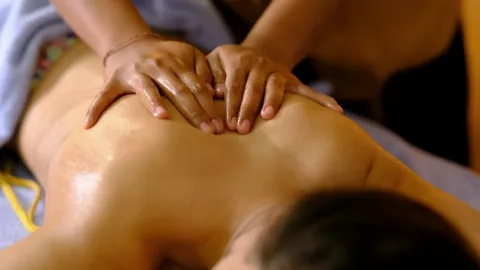
Most Western massage styles have you lying on a padded table, undressed to your comfort level, while a therapist uses oil or lotion to work on your muscles. Thai massage skips all of that. You stay fully clothed in loose, comfortable clothes. There’s no oil. And instead of a table, you’re on a firm floor mat.
The therapist interaction is also different. In a Swedish session, the therapist mostly works independently and you just relax. In Thai massage, you’re a participant. Your therapist is moving your body, guiding your limbs, shifting your weight. It’s more collaborative. Some people find that more engaging, and some find it takes a session or two to get comfortable with it. Pretty normal either way.
Deep tissue massage targets specific muscle groups with sustained pressure. Thai massage covers the whole body and mixes stretching with pressure, so it tends to feel less intense in any one spot but more thorough overall. If you’ve had deep tissue work done on a tight shoulder and found it borderline painful, Thai massage will probably feel gentler in comparison, even though your whole body gets worked on.
What a Session Actually Looks Like
You’ll usually start face-up. The therapist begins at your feet and works upward, pressing along the energy lines and gently stretching your legs. Slow, deliberate. Then you’ll roll to your side, then face-down, and possibly sit up toward the end for upper back and shoulder work. The whole sequence is meant to be a full-body reset.
Pressure is something you control. Always. Your therapist should check in with you, and you should feel completely fine speaking up if something feels too intense or not enough. Most therapists adjust without hesitation. Don’t tough it out in silence. That’s how people leave feeling sore instead of good.
Sessions usually run 60, 90, or 120 minutes. A 60-minute session is a reasonable starting point for a first-timer, just to see how your body responds. If you want a session that blends traditional Thai technique with other styles, a Thai Combination Massage in Conroe TX is worth asking about. It can be a softer entry point for people who aren’t sure they want a pure Thai experience right away.
The Benefits People Actually Notice
Flexibility is the big one. After a good session, most people notice they can move more freely, especially in the hips, lower back, and shoulders. That’s the stretching doing its job. It’s similar to what a solid yoga class does for your range of motion, but passive, meaning your therapist does the work while you breathe and let go.
Stress relief is real too. The rhythmic pressure and slow pace of Thai massage activates the parasympathetic nervous system, which is the part of your body that tells you to calm down and recover. Lots of clients say they feel a kind of mental quiet afterward that’s hard to get any other way. Not drowsy exactly. Just settled.
Circulation and muscle tension release are also common results. If you sit at a desk all day or do any kind of repetitive physical work, the tightness that builds up in your legs, hips, and upper back tends to respond well. Pavilion Therapeutic Thai Massage & Spa is one place in the area that focuses specifically on these techniques, which matters because Thai massage done poorly doesn’t deliver the same results. Skill and training make a real difference here.
How to Prepare for Your First Session
Wear stretchy, loose clothing. Think yoga pants or athletic wear, not jeans. You’ll be moved around, so anything restrictive will work against you. And skip the big meal beforehand. Seriously. Getting compressed and stretched right after eating is uncomfortable at best.
A few other things worth doing before you go:
- Drink water beforehand and afterward. Bodywork stirs up circulation and you’ll want to stay hydrated.
- Arrive a few minutes early so you’re not rushed going in.
- Tell your therapist about any injuries, surgeries, or problem areas before the session starts.
- Skip intense exercise the same day. Your muscles will already be getting worked on.
- If you’re pregnant or have any cardiovascular conditions, check with your doctor first.
After your session, don’t expect to feel 100% immediately. Some people feel a little sore the next day, similar to what you’d feel after a solid stretch session or light workout. That usually fades within 24 to 48 hours. Drink water, take it easy, and give your body time to settle. The second session almost always feels better than the first because your body knows what’s coming.
If you’re specifically looking at Thai Combination Massage in Conroe TX options, it helps to ask the spa ahead of time what styles they blend in. Some combine Swedish elements, some add reflexology or aromatherapy. Knowing what you’re getting means you can decide what fits your needs.
Frequently Asked Questions
Do I need to undress for Thai massage?
No. You stay fully clothed the whole time. Wear something loose and stretchy so you can move freely. Yoga pants, athletic leggings, or a comfortable tracksuit all work well.
Is Thai massage painful?
It shouldn’t be. Some pressure points can feel intense, but sharp pain is a signal to speak up. Good therapists adjust pressure based on your feedback, and you’re always in control of how the session goes.
How is Thai Massage in Conroe TX different from a spa massage?
A standard spa massage usually means Swedish-style work on a table with oil. Thai massage is done on a floor mat, fully clothed, with active stretching involved. The experience and the results are quite different. Both have their place, but they’re not the same thing.
How often should I get Thai massage?
It depends on why you’re going. For general wellness and stress relief, once or twice a month works well for most people. If you’re dealing with chronic tightness or recovering from physical strain, more frequent sessions in the short term can help speed things along.
What if I’m not flexible at all?
That’s actually one of the best reasons to try it. You don’t need any flexibility going in. The therapist works within your range of motion and gradually coaxes more out of you over time. Most people with very little flexibility see noticeable changes faster than they expect.
The hardest part of your first Thai massage session is usually just not knowing what to expect. Once you’ve been through it once, the whole thing makes sense in a way that’s hard to describe until you’ve felt it yourself.