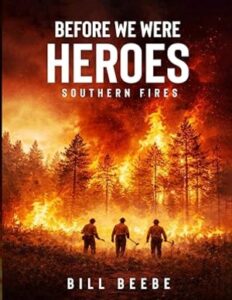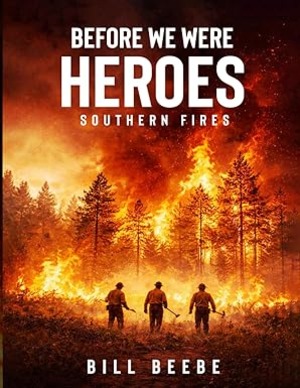
Memoirs rooted in lived experience often leave a deeper emotional impact than conventional storytelling, and Before We Were Heroes: Southern Fire by Bill Beebe is a strong example of that. The book stands out because it presents the realities of dangerous service work through a personal and reflective lens rather than through dramatized heroism. It examines sacrifice, endurance, and recognition in a way that feels honest and emotionally grounded.
What makes this memoir particularly compelling is its focus on wildland firefighting in the American South during a time when firefighters were not widely viewed as public heroes. Instead of emphasizing glory or spectacle, Bill Beebe highlights the physical demands, emotional strain, and social challenges faced by individuals working in difficult and often underappreciated conditions.
The book also offers valuable insight into Southern firefighting culture, a subject that rarely receives detailed attention in mainstream nonfiction writing. Through personal experiences and vivid recollections, the narrative creates an immersive reading experience that connects readers to both the environment and the emotional realities of the people within it.
Readers interested in memoir narratives, personal storytelling, and emotionally reflective nonfiction will likely find the book both engaging and meaningful. Its authenticity gives the narrative a lasting emotional weight that continues beyond the final page.
Overview of the Narrative
Before We Were Heroes: Southern Fire explores the experiences of individuals involved in the demanding world of wildfire response and emergency service in the American South. Rather than presenting events in an exaggerated or sensationalized way, the memoir focuses on the human side of dangerous work and the emotional impact it has on those involved.
Throughout the narrative, Bill Beebe reflects on the realities of working in environments where risk, uncertainty, and hardship were part of everyday life. The memoir captures not only the physical intensity of firefighting but also the emotional and psychological pressures that came with the responsibility.
The narrative gradually reveals how relationships, identity, and personal resilience develop under difficult circumstances. Themes such as loyalty, endurance, sacrifice, and recognition remain central throughout the book. Readers gain insight into a profession that historically operated without the level of public appreciation often associated with emergency service today.
Without revealing major details, the memoir also explores changing perceptions of heroism and service. The title itself reflects the idea that many individuals performed difficult and courageous work long before society openly celebrated them for it.
The storytelling remains reflective and personal, making the book appealing to readers interested in narrative nonfiction, regional history, and emotionally driven memoirs.
Story Progression and Key Turning Points
Early Setup
The opening sections of Before We Were Heroes: Southern Fire establish the challenging conditions surrounding the lives and work of those involved in wildfire response. Bill Beebe introduces readers to the atmosphere, responsibilities, and emotional pressures connected to the profession.
From the beginning, the memoir emphasizes realism. The individuals within the narrative are portrayed as hardworking people dealing with difficult environments rather than idealized heroes. This grounded approach immediately creates credibility and emotional connection.
The early chapters also provide insight into Southern identity and the cultural environment surrounding the work. The regional setting plays an important role in shaping attitudes, relationships, and daily experiences. Readers interested in American regional history may especially appreciate how naturally the setting becomes part of the memoir’s emotional foundation.
Another strength of the opening section is its focus on routine and responsibility. Instead of rushing into dramatic moments, the narrative carefully builds context, allowing readers to understand the emotional and physical demands associated with wildfire service.
Mid-story Development
As the memoir progresses, the emotional depth of the narrative becomes increasingly apparent. Relationships evolve, pressures intensify, and the psychological realities of dangerous work begin to affect the individuals involved more profoundly.
This middle portion of the book is particularly effective because it balances external events with internal reflection. Bill Beebe explores how people cope with fear, exhaustion, responsibility, and limited recognition while continuing to perform demanding work.
Themes of human resilience and emotional resilience become more visible during this stage of the memoir. The narrative shows how difficult experiences shape personal identity and influence the way individuals view themselves and those around them.
The pacing remains steady and reflective, which strengthens the authenticity of the memoir. Rather than relying on dramatic exaggeration, the story builds emotional intensity through lived experience and thoughtful observation.
Readers interested in personal storytelling and realistic memoir writing may find this section especially compelling because of its emotional honesty and detailed perspective.
Climax Build-up
The later sections of Before We Were Heroes: Southern Fire gradually increase the emotional intensity established earlier in the memoir. Instead of focusing solely on dramatic incidents, the narrative emphasizes emotional consequences, personal growth, and evolving perspectives.
As the memoir approaches its emotional high points, readers gain a clearer understanding of how earlier experiences affected the individuals involved. The accumulation of hardship, responsibility, and sacrifice begins to reveal the deeper emotional meaning behind the title itself.
One of the strongest aspects of this section is the way Bill Beebe handles reflection. The narrative does not attempt to sensationalize danger or hardship. Instead, it presents experiences with honesty and restraint, allowing the emotional impact to emerge naturally.
The climax build-up also reinforces the memoir’s exploration of recognition and identity. The individuals within the story are shown not as symbolic heroes but as real people carrying difficult responsibilities in challenging conditions.
This measured and reflective structure helps the memoir maintain emotional authenticity while leaving a lasting impression on readers.
Narrative Style Used by Bill Beebe
Bill Beebe’s writing style is direct, reflective, and emotionally grounded. His approach to storytelling focuses on clarity and realism, allowing readers to connect naturally with the experiences being described.

One of the defining strengths of the memoir is its realistic storytelling. The descriptions, emotional reflections, and personal observations feel sincere rather than overly polished or dramatized. This authenticity strengthens the emotional impact of the narrative.
The pacing of the memoir is also effective. Events unfold steadily, giving readers time to absorb both the external experiences and the emotional significance behind them. This slower, reflective progression aligns well with the memoir format and reinforces the book’s themes of endurance and memory.
Another notable element of the writing is its atmospheric detail. The Southern setting is not treated merely as a backdrop; it actively shapes the tone, emotional dynamics, and cultural perspective of the narrative. Readers gain insight into a specific historical and regional environment that feels vivid and believable.
The memoir also demonstrates restraint in its emotional delivery. Rather than forcing emotional reactions, Bill Beebe allows experiences and reflections to speak for themselves. This subtle approach gives the narrative greater credibility and emotional depth.
What the Narrative Represents Emotionally
At its emotional core, Before We Were Heroes: Southern Fire is about unseen sacrifice and the quiet endurance of people working under difficult conditions without widespread recognition. The memoir explores what it means to continue forward despite physical danger, emotional strain, and limited public acknowledgment.
The narrative also reflects the emotional burden carried by individuals responsible for protecting others in dangerous situations. Feelings of pressure, exhaustion, uncertainty, and isolation appear throughout the memoir, adding psychological depth to the experiences being described.
Another important emotional theme is identity. The memoir examines how difficult work shapes a person’s understanding of themselves and their role within society. Through personal reflection, Bill Beebe explores the tension between private sacrifice and public perception.
There is also a strong sense of dignity throughout the book. Even in moments of hardship, the memoir maintains respect for the resilience and humanity of the individuals involved. This emotional restraint prevents the narrative from becoming overly sentimental while still allowing it to remain deeply moving.
The result is a memoir that feels sincere, thoughtful, and emotionally authentic. Readers searching for meaningful nonfiction centered on perseverance and lived experience may find the book especially impactful.
Final Thoughts on the Story Structure
Before We Were Heroes: Southern Fire by Bill Beebe succeeds because of its honesty, emotional depth, and reflective storytelling structure. The memoir avoids sensationalism and instead focuses on the lived realities of dangerous and demanding work.
Its progression feels natural and emotionally consistent, allowing readers to gradually connect with the people, experiences, and themes at the center of the narrative. From the grounded early chapters to the emotionally reflective later sections, the memoir maintains authenticity throughout.
Bill Beebe’s writing style strengthens the overall impact of the book by combining clear storytelling with emotional restraint. The memoir offers readers insight into a world shaped by service, sacrifice, endurance, and evolving recognition.
Ultimately, Before We Were Heroes: Southern Fire is more than a memoir about firefighting. It is a reflection on perseverance, identity, and the individuals who carried difficult responsibilities long before society openly acknowledged their sacrifices. That emotional honesty is what gives the narrative its lasting significance.