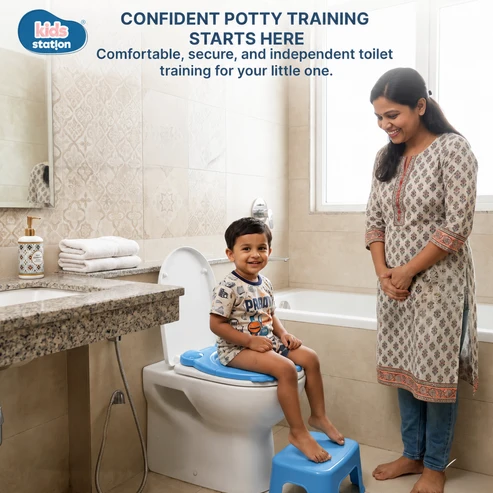
Moving from diapers to the toilet is a major milestone for toddlers. During this stage, choosing the right baby potty seat can make the bathroom experience more comfortable and less intimidating. A child-sized potty seat gives young children an easier way to become familiar with toilet routines while gradually developing confidence and independence.
Every child approaches toilet training differently. Some children quickly adapt to a regular toilet, while others prefer a smaller and more familiar setup. Understanding the different types of potty seats, their features, and how to introduce them can help parents choose an option that fits their child’s needs.
What Is a Baby Potty Seat?
A baby potty seat is a child-friendly toilet training product designed to make potty use easier for young children. Depending on the design, it may be a standalone potty placed on the floor or a smaller seat that fits over a standard household toilet.
Adult toilets can feel large and uncomfortable for toddlers. A properly sized potty seat can provide a more approachable sitting area and help children become familiar with the process of using the bathroom.
The ideal choice depends on the child’s age, size, confidence level, and whether parents want to begin with a standalone potty or transition directly to the household toilet.
When Is a Child Ready for a Potty Seat?
Potty training does not have one fixed starting age. Readiness signs are generally more useful than following a strict age-based schedule.
A child may be showing signs of readiness when they:
- Stay dry for longer periods
- Show curiosity about the bathroom
- Notice when they need to urinate or have a bowel movement
- Communicate their bathroom needs
- Understand simple instructions
- Can sit and stand with suitable support
- Show interest in copying adults or older children
- Become uncomfortable with wet or soiled diapers
Parents can introduce a potty seat gradually when these signs appear. The goal should be to make the child comfortable with the idea rather than forcing immediate results.
Why Use a Baby Potty Seat?
Child-Friendly Size
A potty seat is designed with young children in mind. Its smaller proportions can feel less overwhelming than a full-sized toilet.
Encourages Confidence
A familiar and appropriately sized seat can help reduce hesitation. Children may feel more comfortable when they have a dedicated space for practicing a new routine.
Supports Independence
Potty training is also about learning everyday self-care. A suitable potty seat can become part of a child’s regular bathroom routine as they gradually learn to communicate and manage the process.
Convenient for Parents
Many potty seats are designed with easy-to-clean surfaces and lightweight construction. These features can make regular use and maintenance simpler.
Different Types of Baby Potty Seats
Parents can choose from several styles depending on their home and child’s preferences.
Standalone Potty Chair
A standalone potty sits on the floor and is designed specifically for young children. It can be a convenient starting point because the child does not need to climb onto a regular toilet.
Toilet Training Seat
This type fits over a standard toilet seat and creates a smaller sitting area for a child. It can help children become familiar with using the household toilet.
Portable Potty Seat
A portable design can be useful for travel, daycare visits, family outings, or situations where a child needs a familiar toilet-training setup away from home.
Foldable Potty Seat
Foldable designs are useful when storage space or portability is important. They can be easier to carry and store between uses.
Features to Consider When Choosing a Baby Potty Seat
Choosing a potty seat involves more than looking at its appearance. Several practical features can influence comfort and everyday usability.
1. Appropriate Size
Check the manufacturer’s recommended age, weight, and size range. A seat should provide a suitable fit for the child.
2. Stable Construction
Stability is important during toilet training. Look for a design that stays securely positioned during normal use.
3. Comfortable Shape
A smooth and child-friendly design can make sitting more comfortable. Avoid products with sharp or uncomfortable edges.
4. Easy-to-Clean Material
Potty training can involve frequent cleaning. A surface that is simple to wipe and maintain can make daily care easier.
5. Anti-Slip Features
Non-slip elements can help improve stability, particularly with floor-standing potty designs or toilet seats that require secure positioning.
6. Portability
Families who travel regularly may benefit from a compact or foldable baby potty seat that is easy to carry.
Baby Potty Seat vs. Regular Toilet
A regular toilet is designed for adults, so its size may not be ideal for a small child. A potty seat gives children a more manageable sitting area and can help them gradually become comfortable with bathroom routines.
Some families prefer starting with a standalone potty and later moving to a regular toilet. Others introduce a toilet training seat from the beginning. Both approaches can work depending on the child’s comfort and family routine.
The important thing is to select an option that the child can use comfortably and safely.
How to Introduce a Baby Potty Seat
Introducing the seat slowly can help prevent unnecessary anxiety.
Let the Child Become Familiar With It
Before expecting the child to use it, allow them to see and understand what the potty seat is for. Simple explanations can make the new object less unfamiliar.
Establish a Routine
Parents can introduce regular bathroom visits around predictable parts of the day. Consistency can help children understand the connection between the routine and toilet use.
Keep Sessions Short
There is no need to make a child sit for long periods. Short, relaxed attempts are often easier for a young child to manage.
Offer Encouragement
Positive encouragement can help children feel proud of their progress. Avoid punishment or embarrassment when accidents happen.
Be Patient
Some children learn quickly, while others need more time. Temporary setbacks are a normal part of learning new habits.
Safety and Hygiene Tips
Parents should always follow the manufacturer’s instructions for using a baby potty seat. Young children should be supervised during toilet training, particularly when using a raised seat on a household toilet.
Keep bathroom floors dry whenever possible and clean the potty seat regularly. Inspect the product from time to time for cracks, loose parts, damaged surfaces, or worn anti-slip components.
Children should also be encouraged to wash their hands thoroughly after using the toilet.
Why a Portable Baby Potty Seat Can Be Helpful
Potty training does not stop when a family leaves home. Travel, holidays, daycare, and visits to relatives can introduce unfamiliar bathrooms.
A portable baby potty seat can provide a familiar option for children who are still developing confidence. Foldable models can also be easier to store in a travel bag or cupboard.
However, parents should always check that a portable seat is correctly positioned and stable before allowing the child to use it.
Making Potty Training a Positive Experience
The potty seat itself is only one part of toilet training. A supportive approach from parents can make the overall experience much easier.
Avoid comparing one child with another. Children develop bathroom skills at different speeds. Instead, focus on small improvements, such as recognizing the need to use the toilet, sitting comfortably, communicating their needs, and following basic hygiene habits.
For families searching for practical baby and toddler essentials, Kids Station offers products designed to support everyday childcare routines, including solutions for different stages of early childhood.
Frequently Asked Questions
Is a baby potty seat better than a normal toilet?
A child-sized potty seat can be more comfortable and approachable for a toddler than a full-sized toilet. The best option depends on the child’s development and family routine.
Can a baby potty seat be used for travel?
Yes, portable and foldable models are designed for situations where families need a compact toilet-training solution outside the home.
What makes a good potty seat?
A good potty seat should be appropriately sized, stable, comfortable, easy to clean, and suitable for the child’s developmental stage.
Should parents force a child to use a potty seat?
No. Potty training is a gradual learning process. Encouragement and consistency are generally more helpful than pressure.
How should a potty seat be cleaned?
Follow the manufacturer’s cleaning instructions. In general, use suitable mild cleaning methods and allow the seat to dry properly before its next use.
Final Thoughts
A baby potty seat can be a practical addition to a toddler’s toilet-training routine. The right design can provide a comfortable introduction to bathroom habits while helping children gradually develop confidence and independence.
When choosing one, consider the child’s size, comfort, stability, hygiene, portability, and the type of bathroom setup at home. With patience, encouragement, and a consistent routine, potty training can become a more positive learning experience for both children and parents.