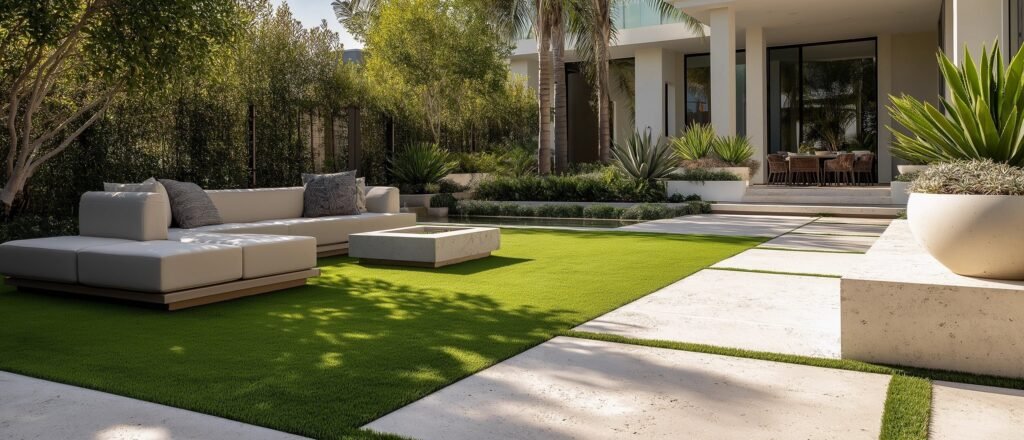
Artificial grass installation in Dallas TX
Maintaining a natural lawn in North Texas can require considerable time, water, mowing, fertilizing, and seasonal care. For homeowners looking for a cleaner and more consistent alternative, artificial grass can provide a green outdoor surface throughout the year with significantly less routine lawn work. Artificial grass installation in Dallas TX has become an option for homeowners who want to improve curb appeal while creating a practical yard for entertaining, pets, children, or everyday relaxation. The key is choosing a suitable turf product and having the underlying surface prepared correctly.
Artificial grass is not simply a roll of synthetic material placed over existing soil. A successful installation depends on excavation, grading, base preparation, drainage, secure seams, appropriate infill, and careful finishing around edges. Dallas properties can also present challenges involving heavy soil, intense sunlight, rainfall, and varying drainage conditions. Understanding these factors before starting a project helps homeowners make better decisions about materials, installation methods, expected costs, and long-term maintenance.
Benefits of Artificial Grass for Dallas Homes
One of the biggest advantages of artificial grass is the reduction in routine lawn maintenance. Homeowners no longer need to mow every week or maintain a regular watering schedule to keep the surface looking green. There is also less need for conventional lawn fertilizers, weed treatments, and seasonal reseeding. This can make synthetic turf particularly attractive to busy families who want an attractive yard without spending every weekend maintaining natural grass.
Artificial turf can also provide a consistently neat appearance throughout changing seasons. Natural lawns may develop bare patches, muddy areas, discoloration, or uneven growth when exposed to heavy foot traffic or challenging weather. Properly installed synthetic grass provides a uniform surface that can be used for play areas, seating zones, pathways, pet spaces, and pool surroundings. Its versatility makes it possible to design different areas of the backyard around the household’s specific needs.
Another benefit is the way artificial grass can complement a broader landscape design. It can be combined with pavers, stone borders, planting beds, patios, pergolas, outdoor kitchens, and other hardscape features. Homeowners who want to create a complete outdoor environment may work with an outdoor living contractor Carrollton to coordinate turf with seating, entertaining, and landscape elements. This approach can make the yard feel intentionally designed instead of simply replacing one lawn material with another.
Understanding Artificial Grass Installation Costs
The cost of an artificial grass project depends on several factors rather than one fixed price. Square footage is an obvious consideration, but excavation depth, soil conditions, base material, drainage requirements, turf quality, edging, infill, accessibility, and site preparation can also affect the final investment. Small or complicated areas may have a higher cost per square foot because preparation and installation require nearly as much planning as larger projects. A detailed site assessment is therefore more useful than relying on a generic price estimate.
The turf product itself also influences the budget. Different products vary in blade height, density, color combinations, backing construction, durability, and intended use. Pet turf may require specialized drainage and odor-control considerations, while a putting green requires a completely different installation approach. Homeowners should compare the specifications of each product instead of selecting turf based only on how realistic it looks in a sample.
The installation base deserves particular attention when comparing estimates. Artificial grass performs best when installed over a properly prepared and compacted foundation that supports drainage and reduces movement. Cutting corners during excavation or base preparation can contribute to uneven surfaces, drainage problems, wrinkles, or shifting over time. A lower initial quote may not represent better value if important preparation work has been excluded from the proposal.
Preparing the Yard Before Installation
Professional installation normally begins with an assessment of the existing lawn and surrounding property. Existing grass, weeds, debris, and unsuitable soil may need to be removed before the new base is installed. The area is then shaped to create appropriate grades and drainage patterns. This preparation stage may not be visually impressive, but it is one of the most important parts of the entire project because the finished turf can only perform as well as the surface beneath it.
Drainage is especially important in areas that receive significant rainfall or have compacted soil. Water needs a clear path away from the turf surface rather than becoming trapped underneath it. Depending on the property, the installation may require adjustments to grading, drainage channels, or other water-management features. Homeowners should discuss existing puddling or drainage concerns before installation so they can be addressed rather than covered up.
Once the base is prepared, it needs to be compacted properly to create a stable foundation. The turf is then positioned, cut carefully around landscaping and structures, and secured around its perimeter. Seams should be aligned and fastened correctly so they remain inconspicuous and stable. Attention to these details can make a substantial difference in how natural and professional the finished lawn appears.
Choosing Turf for Texas Heat
Dallas summers make heat resistance an important consideration when selecting artificial grass. Synthetic turf can become warm when exposed to direct sunlight, so homeowners should consider the yard’s orientation, amount of shade, intended use, and available cooling strategies. Turf products designed with appropriate UV resistance can help maintain appearance when exposed to extended sunlight. The right infill and overall installation design can also influence how the surface performs during hot weather.
Homeowners should avoid assuming that every synthetic grass product offers the same level of durability. Product construction, fiber quality, backing, UV stabilization, and warranty terms can vary considerably. Ask for information about the turf’s intended residential use and expected performance rather than choosing solely according to color or blade height. A reputable installer should be able to explain why a particular product is suitable for the property’s conditions.
If children or pets will regularly use the lawn, comfort and drainage become additional priorities. Pet areas may require more frequent cleaning and specialized infill or drainage solutions. Play areas should be designed with safety and surface comfort in mind. Discussing the intended use before purchasing turf helps ensure that the selected product and installation system match the demands placed on the yard.
Maintaining Artificial Grass After Installation
Although artificial grass requires much less care than natural turf, it should not be treated as completely maintenance-free. Leaves, twigs, dirt, and other debris should be removed regularly so they do not accumulate across the surface. A soft brush or suitable outdoor equipment can help keep fibers standing upright in areas that experience frequent foot traffic. Occasional rinsing can also help remove dust and outdoor residue.
Pet owners may need a more consistent cleaning routine. Areas used by dogs can accumulate odors if waste is not removed promptly or if the surface is not rinsed appropriately. Good drainage helps prevent moisture from remaining trapped beneath the turf, while suitable cleaning products can help maintain a fresh surface. Homeowners should always follow the turf manufacturer’s care recommendations before applying cleaning chemicals.
Periodic inspections are also worthwhile. Check seams, edges, high-traffic sections, infill levels, and drainage areas for signs of movement or wear. Small issues are generally easier to address before they develop into larger repairs. Brushing high-use areas and keeping drainage pathways clear can help preserve the appearance and functionality of the installation over the long term.
Designing Artificial Grass as Part of Outdoor Living
Artificial grass can become much more valuable when it is incorporated into a complete backyard design. Instead of covering the entire property with synthetic turf, homeowners can combine it with planting beds, walkways, patios, decorative stone, seating areas, and shade structures. This creates visual variety while allowing each part of the yard to serve a specific purpose. The result can be a more functional outdoor environment that requires less routine lawn maintenance.
An outdoor living contractor Carrollton may also help homeowners coordinate turf with larger improvements such as patios, pergolas, outdoor kitchens, fire features, or entertainment areas. Planning these components together can improve circulation and prevent awkward transitions between surfaces. For example, turf can frame a patio while a paved walkway provides a durable route between the house and outdoor kitchen. Thoughtful transitions make the entire yard feel more cohesive.
Before finalizing the design, consider how the property will be used throughout the year. A family with children may need an open play area, while another homeowner may prioritize dining and entertaining. Pet owners may need dedicated drainage-friendly zones, and someone who enjoys gardening may prefer larger planting areas. Artificial grass is most effective when it is selected as part of the overall landscape plan rather than treated as an isolated product.
Is Artificial Grass Right for Your Dallas Property?
Artificial grass can be a practical choice for homeowners who want a consistently green yard while reducing mowing, watering, and routine lawn maintenance. However, the quality of the result depends heavily on proper product selection and professional installation. Good drainage, stable base preparation, appropriate turf specifications, and careful finishing are more important than simply choosing the most attractive sample. A well-planned project should balance appearance, performance, maintenance, and budget.
Before scheduling artificial grass installation in Dallas TX, request a detailed evaluation of the property and ask what preparation work will be included. Compare turf specifications, installation methods, warranties, drainage solutions, maintenance expectations, and the complete project cost. When homeowners understand what is beneath the turf as well as what is visible on top, they can make a more informed investment. With the right planning and care, artificial grass can create a durable, attractive outdoor surface that supports comfortable living throughout the year.