Maintenance Guide for Agricultural Equipment: Essential Tips for Long-Lasting Farm Machinery
Agricultural machinery plays an important role in modern farming. From power weeders and cultivators to agricultural sprayers, harvesters, seeders, and other farm implements, reliable equipment helps farmers save time, reduce manual labour, and improve productivity. However, even the best agricultural machinery requires proper maintenance to deliver consistent performance.
For farmers looking for dependable equipment, choosing experienced agricultural equipment manufacturers in India is only the first step. Regular inspection, cleaning, lubrication, servicing, and correct operation are equally important for extending machine life.
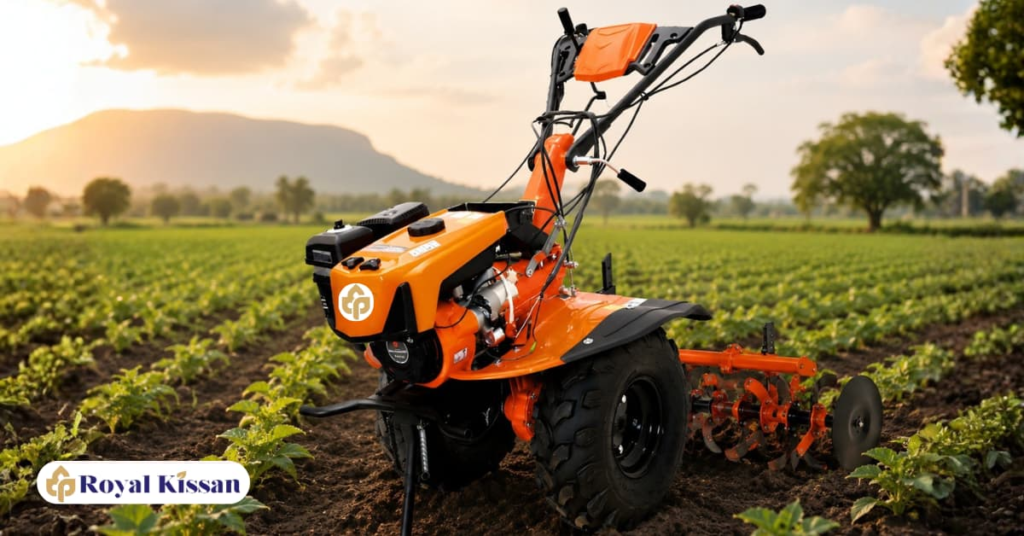
Royal Kissan is an agriculture machinery manufacturer offering a range of farming equipment, including power weeders and other agricultural machinery. The company’s product range includes different power-weeder options designed for Indian farming conditions.
Why Agricultural Machinery Maintenance Matters
Agricultural machines often operate in demanding environments. Dust, soil, moisture, crop residue, vibration, and long working hours can gradually affect engine components, blades, belts, transmission systems, and other parts.
Regular maintenance can help farmers:
- Improve machine performance
- Reduce unexpected breakdowns
- Increase equipment life
- Maintain fuel efficiency
- Reduce repair expenses
- Improve operator safety
- Maintain consistent field performance
Maintenance should therefore be considered an essential part of farm management rather than an occasional activity.
1. Clean the Machine After Every Use
One of the easiest maintenance practices is cleaning the equipment after operation.
Soil, mud, grass, roots, and crop residue can accumulate around the rotary blades, wheels, transmission, and other moving components. If this material is left on the machine, it can contribute to corrosion and interfere with proper operation.
After completing the day’s work:
- Turn off the engine and allow the machine to cool.
- Remove accumulated soil and crop residue.
- Clean the blades and working components.
- Check the machine for visible damage.
- Dry the equipment before storing it.
Avoid directing high-pressure water at sensitive electrical or engine components unless the manufacturer’s instructions specifically allow it.
2. Check the Engine Regularly
The engine is one of the most important components of a power weeder and other engine-operated agricultural equipment.
Before operating the machine, check for:
- Unusual oil leakage
- Loose connections
- Damaged components
- Abnormal engine noise
- Excessive vibration
- Fuel leakage
Engine oil should be checked and replaced according to the manufacturer’s recommended service schedule. Using the correct oil and maintaining the appropriate oil level can help protect internal engine components.
For diesel and petrol equipment, always follow the specific maintenance instructions supplied with the machine.
3. Maintain the Air Filter
Agricultural machinery frequently operates in dusty environments. The air filter prevents dust and dirt from entering the engine.
A blocked or excessively dirty air filter can restrict airflow and affect engine performance.
Inspect the air filter regularly and clean or replace it according to the manufacturer’s recommendations. The correct maintenance procedure depends on the filter type, so farmers should refer to the machine’s owner’s manual.
4. Inspect Power-Weeder Blades
For power weeders, rotary blades are among the most important working components.
Before and after operation, inspect the blades for:
- Excessive wear
- Cracks
- Bending
- Loose fasteners
- Missing components
- Soil or crop residue buildup
Worn or damaged blades can reduce cultivation efficiency and may place additional stress on the machine.
Never attempt to inspect or clean rotating components while the engine is running. Stop the engine and follow the manufacturer’s safety instructions before working around the blades.
5. Check the Gearbox and Transmission
The gearbox and transmission transfer engine power to the working mechanism and wheels. Proper lubrication and inspection are therefore important.
Farmers should regularly check:
- Gear oil level
- Oil leakage
- Gear-shifting operation
- Unusual sounds
- Loose fasteners
- Excessive vibration
Use only the lubricant recommended by the manufacturer. Incorrect oil or inadequate lubrication can affect transmission performance and may increase component wear.
6. Inspect Tyres and Wheels
Tyres provide traction and stability during field operations.
Before using a power weeder, inspect the tyres for:
- Correct inflation
- Cuts or cracks
- Excessive wear
- Loose wheel components
- Damage caused by stones or agricultural debris
Correct tyre pressure should always follow the manufacturer’s recommended specification. Properly maintained wheels improve handling and contribute to safer operation.
7. Lubricate Moving Parts
Agricultural machines contain several moving components that require lubrication.
Depending on the equipment, lubrication may be required for:
- Bearings
- Chains
- Cables
- Shafts
- Linkages
- Hinges
- Other specified moving parts
Do not over-lubricate components. Follow the maintenance schedule and lubricant specifications provided by the manufacturer.
8. Check Fasteners and Bolts
Continuous vibration during agricultural operations can gradually loosen nuts and bolts.
Before operating the machine, inspect important fasteners around the:
- Engine
- Handle
- Gearbox
- Rotary assembly
- Wheels
- Guards
- Attachments
Tighten loose fasteners according to the manufacturer’s recommended torque specifications. Avoid randomly over-tightening components because excessive force can damage threads or parts.
9. Maintain the Fuel System
Fuel quality and fuel-system maintenance are important for engine performance.
Always use the fuel type recommended for the specific machine. Keep fuel containers clean and properly sealed, and avoid storing fuel for unnecessarily long periods.
Check the fuel system periodically for leaks or damaged hoses. If you notice fuel leakage, do not operate the machine until the problem has been properly addressed.
10. Follow a Preventive Maintenance Schedule
Preventive maintenance is more effective than waiting for a machine to break down.
A simple maintenance schedule can include:
Daily Checks
- Clean the machine
- Check engine oil
- Inspect fuel system
- Examine blades
- Check tyres
- Look for loose bolts
- Check for unusual sounds or vibration
Weekly Checks
- Inspect belts and cables
- Check gearbox/transmission components
- Inspect fasteners
- Clean or inspect the air filter
- Lubricate specified components
Periodic Service
- Replace engine oil as recommended
- Replace filters when required
- Inspect transmission oil
- Check ignition or fuel-system components
- Inspect worn parts
- Get professional servicing when necessary
The exact service intervals should always be based on the manufacturer’s manual and operating conditions.
11. Store Agricultural Machinery Correctly
Proper storage is particularly important when machinery will not be used for an extended period.
Before storage:
- Clean the entire machine.
- Remove soil and crop residue.
- Complete necessary servicing.
- Protect exposed metal surfaces where recommended.
- Store the machine in a dry, covered location.
- Protect it from unnecessary moisture.
- Keep fuel and lubricants stored safely.
- Follow the manufacturer’s long-term storage instructions.
Good storage practices can help prevent rust, corrosion, and deterioration.
12. Use Genuine Spare Parts
When replacement is necessary, farmers should select compatible parts recommended by the manufacturer.
Using unsuitable components can affect machine performance and potentially create safety problems. Genuine or manufacturer-approved parts are preferable because they are designed for the relevant machine specifications.
Reliable agricultural equipment manufacturers generally provide information about compatible spare parts and service requirements. Availability of genuine parts and technical support is also an important consideration when choosing agricultural machinery.
Why Choose Royal Kissan Agricultural Machinery?
Royal Kissan focuses on providing agricultural machinery designed for modern Indian farming requirements. Its range includes power weeders in different configurations, including petrol and diesel options, allowing farmers to select machinery according to their field requirements.
When selecting agricultural equipment, farmers should consider more than the initial purchase price. Product quality, specifications, service support, spare-parts availability, operating requirements, and maintenance needs all contribute to the overall value of a machine.
India has a large and diverse agricultural machinery manufacturing sector. The Government of India’s National Portal notes that a list maintained through the Department of Agriculture and Cooperation includes more than 850 agricultural machinery and equipment manufacturers operating in different parts of the country.
This makes it important for farmers to compare manufacturers carefully and choose machinery that matches their crops, soil conditions, farm size, workload, and available service support.
Final Thoughts
Agricultural equipment is a long-term investment, and proper maintenance is essential for protecting that investment. Whether you are operating a power weeder, cultivator, sprayer, reaper, or another type of farm machinery, regular cleaning, inspection, lubrication, servicing, and correct storage can help maintain reliable performance.
For farmers researching agricultural equipment manufacturers in India, Royal Kissan offers a range of agricultural machinery designed with Indian farming requirements in mind. With the right machine and a consistent maintenance routine, farmers can improve operational efficiency, reduce avoidable downtime, and get greater value from their agricultural equipment.
Always follow the specific owner’s manual and manufacturer service recommendations for your particular model, as maintenance intervals and procedures can differ between machines.