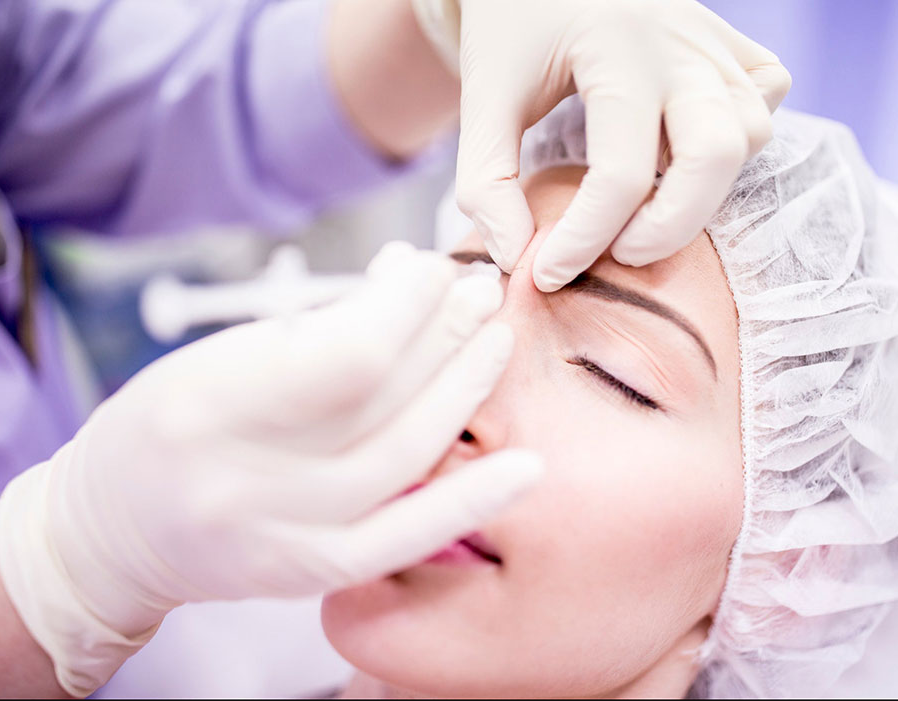
Aesthetic medicine has become an increasingly specialized area of modern healthcare, combining clinical knowledge, facial anatomy, technology, and individualized treatment planning. As aesthetic procedures continue to evolve, healthcare professionals are looking for advanced educational opportunities that go beyond short-term workshops. An Aesthetic Medicine Fellowship can provide a structured pathway for practitioners who want to develop deeper knowledge and practical experience in aesthetic treatments.
What Is an Aesthetic Medicine Fellowship?
An Aesthetic Medicine Fellowship is an advanced training program designed to help eligible healthcare professionals develop specialized knowledge and clinical skills in aesthetic medicine. Depending on the institution, a fellowship may cover topics such as facial anatomy, injectables, skin rejuvenation, laser and energy-based procedures, regenerative aesthetics, patient consultation, and complication management.
Unlike a single-procedure workshop, a structured fellowship can provide broader exposure to aesthetic treatment planning and patient management. The curriculum, eligibility, duration, and practical components can vary between programs, so professionals should carefully review the details before enrolling.
Why Consider a Fellowship in Aesthetic Medicine?
Aesthetic procedures require an understanding of more than treatment techniques. Practitioners need to assess individual patient needs, understand facial anatomy, identify contraindications, select appropriate treatment approaches, and recognize potential complications.
A Fellowship in Aesthetic Medicine can help professionals build this broader clinical perspective through structured education and, where included, supervised practical experience. Advanced training can also encourage practitioners to follow evidence-based approaches and maintain appropriate safety standards.
As aesthetic medicine continues to develop, ongoing education is becoming increasingly important for professionals who want to stay familiar with changing technologies and treatment approaches.
What Can You Learn During an Aesthetic Medicine Fellowship?
The curriculum depends on the fellowship provider, but advanced programs may include several important areas:
- Facial anatomy and aesthetic assessment
- Botulinum toxin and dermal fillers
- Skin rejuvenation procedures
- Chemical peels and microneedling
- Laser and energy-based technologies
- Regenerative aesthetic treatments
- Combination treatment planning
- Patient consultation and communication
- Prevention and management of complications
- Clinical safety and ethical considerations
Practical exposure can be particularly valuable because it allows participants to connect theoretical knowledge with real-world clinical decision-making, subject to the program’s scope and applicable regulations.
Emerging Trends in Aesthetic Medicine
The aesthetic medicine field is increasingly focused on personalized and natural-looking outcomes. Instead of relying on a single treatment, practitioners are exploring individualized combinations of procedures based on a patient’s anatomy, skin condition, and aesthetic goals.
Regenerative aesthetics, biostimulators, skin-quality treatments, injectables, and energy-based technologies are also receiving growing attention. These developments highlight the importance of understanding both established procedures and emerging treatment approaches.
Technology is another major area of development. Modern aesthetic practices may incorporate lasers, radiofrequency, ultrasound, and other energy-based systems. Proper education is essential because these technologies require knowledge of patient selection, treatment parameters, contraindications, and safety considerations.
How to Choose the Right Fellowship in Aesthetic Medicine
Before choosing a Fellowship in Aesthetic Medicine, healthcare professionals should evaluate several factors. These may include the course curriculum, faculty qualifications, duration, practical training, eligibility requirements, assessment process, and opportunities for continued professional development.
It is also important to understand what certification or qualification the program provides and whether it aligns with the professional’s scope of practice and local regulatory requirements.
A fellowship that combines scientific foundations, practical learning, patient safety, and modern treatment concepts can provide a comprehensive educational experience.
Advancing Your Career Through Aesthetic Medicine
An Aesthetic Medicine Fellowship can be a valuable educational pathway for healthcare professionals seeking advanced knowledge in this evolving field. With developments in injectables, regenerative approaches, skin rejuvenation, and energy-based technologies, continuous learning can help practitioners remain informed about modern aesthetic practice.
For professionals considering specialization in this field, a well-structured Fellowship in Aesthetic Medicine can provide an opportunity to develop clinical knowledge, refine treatment-planning skills, and gain greater exposure to contemporary aesthetic medicine.