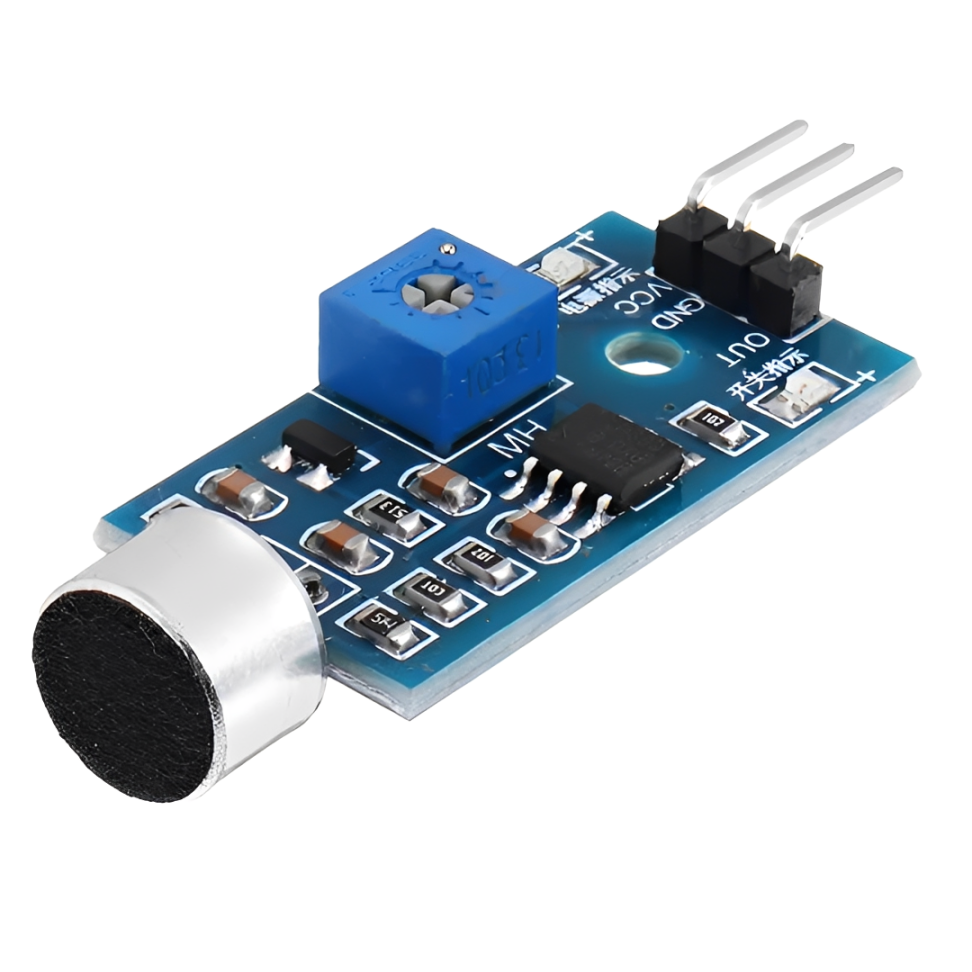
Accelerometer Sensors
The modern world is increasingly dependent on intelligent systems that can sense, analyse, and respond to physical changes. From industrial machines operating in automated factories to wearable devices tracking human activity, motion detection has become a critical part of advanced technology. At the centre of this transformation are accelerometer sensors, which provide accurate information about movement, vibration, and orientation.
Accelerometer sensors are electronic sensing devices that measure acceleration forces acting on an object. These forces can occur due to movement, gravity, sudden impacts, or mechanical vibrations. By converting physical motion into electrical signals, accelerometers allow electronic systems to understand changes in position and make automated decisions.
Over the years, accelerometer technology has evolved from large and specialised measurement equipment into compact, highly efficient components used in everyday products. Today, these sensors are essential in smartphones, automotive systems, robotics, industrial monitoring equipment, healthcare devices, and Internet of Things (IoT) solutions.
The increasing demand for automation, predictive maintenance, and intelligent technology has made accelerometer sensors one of the most important components in modern electronic design.
What Are Accelerometer Sensors and How Do They Measure Motion?
Accelerometer sensors are designed to detect acceleration, which refers to changes in velocity over time. While many people associate acceleration only with speeding up, sensors also detect slowing down, changes in direction, tilting, and vibration.
The core function of an accelerometer is based on measuring how an internal sensing element reacts when an external force is applied. When movement occurs, the internal structure shifts slightly. This change is detected and converted into an electrical signal that represents the amount and direction of acceleration.
Modern accelerometers can measure movement across multiple axes:
- Single-axis accelerometers measure acceleration in one direction
- Dual-axis accelerometers monitor movement along two directions
- Three-axis accelerometers detect motion across X, Y, and Z coordinates
Three-axis accelerometers are widely used because they provide complete information about movement in three-dimensional space.
The collected data can then be processed by microcontrollers, processors, or software systems to control device functions or analyse performance.
Why Are Accelerometer Sensors Considered Essential Components in Electronics?
Electronic devices are becoming increasingly intelligent, and this intelligence depends on the ability to understand physical conditions. Accelerometer sensors provide the necessary motion awareness that allows devices to respond automatically.
These sensors enable advanced features such as:
- Automatic screen rotation in smartphones and tablets
- Motion-based controls in gaming devices
- Activity tracking in wearable technology
- Impact detection in safety systems
- Machine vibration analysis
- Navigation assistance in vehicles
Without accelerometer sensors, many modern technologies would lose important capabilities that improve convenience, safety, and efficiency.
Their small size, reliability, and ability to provide real-time data make them valuable components for both consumer and industrial applications.
How Does MEMS Technology Improve Accelerometer Sensor Performance?
One of the biggest advancements in accelerometer development has been the introduction of Micro-Electro-Mechanical Systems (MEMS) technology.
MEMS accelerometers combine extremely small mechanical structures with electronic circuits on a single semiconductor chip. This manufacturing approach allows sensors to become smaller, faster, and more affordable.
MEMS technology provides several advantages:
- Compact sensor designs for portable devices
- Reduced power consumption
- High measurement accuracy
- Faster response times
- Improved reliability
- Cost-effective production
Because of these benefits, MEMS accelerometers are now widely used in smartphones, smart watches, drones, medical equipment, and industrial monitoring systems.
The ability to manufacture tiny but powerful sensors has significantly expanded the possibilities of motion-based technology.
What Are the Main Types of Accelerometer Sensors?
Different industries require different levels of accuracy, sensitivity, and durability. As a result, manufacturers produce several types of accelerometer sensors designed for specific applications.
Capacitive Accelerometer Sensors
Capacitive accelerometers are among the most commonly used sensor types. They operate by detecting changes in capacitance caused by movement within the sensing structure.
These sensors are preferred because they offer:
- Excellent sensitivity
- Low energy consumption
- Stable performance
- Small physical size
- Good resistance to environmental changes
They are commonly used in mobile devices, consumer electronics, and automotive systems.
Piezoelectric Accelerometer Sensors
Piezoelectric accelerometers use special materials that generate electrical charges when mechanical stress is applied.
These sensors are especially useful for detecting high-frequency vibration and dynamic movement.
Common applications include:
- Industrial machinery monitoring
- Engine vibration testing
- Aerospace analysis
- Structural monitoring systems
Their ability to capture rapid changes makes them suitable for demanding measurement environments.
Piezoresistive Accelerometer Sensors
Piezoresistive accelerometers measure changes in electrical resistance caused by mechanical deformation.
They are commonly selected for applications involving:
- Shock measurement
- Impact testing
- Vehicle safety systems
- Heavy machinery monitoring
These sensors provide reliable performance in situations where strong acceleration forces are present.
How Are Accelerometer Sensors Used in Industrial Automation?
Industrial automation has become one of the most important areas where accelerometer sensors provide significant value. Manufacturing facilities depend on accurate monitoring systems to maintain productivity and reduce equipment failures.
Accelerometers help industrial systems analyse machine behaviour by detecting abnormal movement patterns.
Industrial applications include:
- Motor vibration monitoring
- Rotating equipment analysis
- Conveyor system inspection
- Robotic movement control
- Manufacturing process optimisation
When a machine develops mechanical problems, vibration patterns often change before complete failure occurs. Accelerometer sensors can identify these changes early, allowing maintenance teams to take preventive action.
This approach reduces downtime, lowers repair costs, and improves overall equipment efficiency.
Why Are Accelerometer Sensors Important in Automotive Technology?
Modern vehicles contain numerous electronic systems designed to improve safety, performance, and driving experience. Accelerometer sensors are essential components in many of these systems.
Automotive applications include:
- Airbag deployment systems
- Electronic stability control
- Accident detection
- Vehicle movement monitoring
- Navigation systems
- Driver assistance technologies
During a collision, accelerometers detect sudden changes in acceleration and provide data that allows safety systems to respond immediately.
Electric vehicles and autonomous vehicles are also increasing demand for advanced motion sensors. These technologies require accurate movement information to support navigation, stability, and automated decision-making.
How Do Accelerometer Sensors Support Healthcare Innovation?
Healthcare technology has experienced significant growth in wearable and monitoring solutions. Accelerometer sensors allow medical devices to collect valuable movement information without requiring large equipment.
Healthcare applications include:
- Patient activity monitoring
- Rehabilitation tracking
- Smart medical wearables
- Movement analysis
- Physical therapy assessment
For example, healthcare professionals can analyse movement patterns to understand recovery progress or identify changes in physical activity.
The compact design of modern accelerometers allows them to be integrated into comfortable wearable devices that patients can use continuously.
What Role Do Accelerometer Sensors Play in Consumer Electronics?
Consumer electronics represent one of the largest markets for accelerometer technology. Many features that users consider standard today depend on these sensors.
Smartphone applications include:
- Display orientation adjustment
- Gesture recognition
- Motion-controlled applications
- Image stabilisation
- Gaming functions
Wearable devices use accelerometers to measure:
- Steps taken
- Exercise activity
- Body movement
- Sleep patterns
The continuous improvement of sensor accuracy allows manufacturers to create more personalised and interactive experiences.
How Are Accelerometer Sensors Used in Robotics and Artificial Intelligence?
Robotics and artificial intelligence require accurate environmental awareness to operate effectively. Accelerometer sensors provide robots with important information about movement and stability.
In robotic systems, accelerometers help with:
- Balance control
- Position monitoring
- Movement correction
- Navigation assistance
- Automated decision-making
When combined with artificial intelligence algorithms, accelerometer data can be analysed to identify patterns and predict future behaviour.
This combination supports the development of smarter robots capable of adapting to changing environments.
What Factors Should Be Considered Before Selecting an Accelerometer Sensor?
Choosing the correct accelerometer sensor requires careful consideration of technical and environmental requirements.
Important factors include:
Measurement Range
The sensor must support the expected acceleration levels of the application. Industrial equipment may require a much higher range compared with wearable devices.
Sensitivity
Higher sensitivity allows detection of smaller movements and vibrations, which is important for precision applications.
Frequency Response
Applications involving vibration monitoring require sensors capable of accurately measuring rapid changes.
Power Requirements
Battery-powered devices need accelerometers with efficient energy consumption.
Environmental Conditions
Temperature, humidity, shock, and vibration levels can influence sensor performance.
Communication Interface
The sensor should be compatible with the electronic system receiving and processing the data.
Selecting the correct specifications ensures accurate operation and long-term reliability.
How Are Accelerometer Sensors Driving the Expansion of IoT Technology?
The Internet of Things depends on continuous data collection from connected devices. Accelerometer sensors provide essential movement information that helps IoT systems become more intelligent.
IoT applications include:
- Smart home devices
- Asset tracking systems
- Industrial monitoring networks
- Connected security solutions
- Remote equipment management
For example, an industrial IoT system can use accelerometer data to monitor machine health remotely and identify problems before they affect production.
As more devices become connected, the demand for efficient and reliable motion sensors will continue increasing.
What Are the Future Developments Expected in Accelerometer Sensor Technology?
Accelerometer technology continues to advance as industries demand improved accuracy, smaller designs, and better efficiency.
Future developments are expected to include:
- Artificial intelligence-based motion analysis
- Ultra-low power sensor solutions
- Improved sensitivity and accuracy
- Greater integration with smart systems
- Advanced autonomous technology support
- Enhanced durability for extreme environments
Researchers and manufacturers are continuously improving sensor designs to meet the requirements of next-generation applications.
Future accelerometers will likely become even smaller, smarter, and more capable of supporting advanced automation.
Conclusion
Accelerometer sensors have become fundamental components in modern electronic systems by enabling accurate motion detection and intelligent responses. Their ability to measure acceleration, vibration, and orientation allows devices and machines to operate more efficiently and safely.
From smartphones and wearable devices to industrial automation, automotive technology, healthcare solutions, and artificial intelligence systems, accelerometers support innovation across countless industries.
As technology moves toward greater connectivity and automation, accelerometer sensors will continue playing a vital role in creating smarter devices and more efficient systems. Their combination of accuracy, versatility, and adaptability ensures that they will remain a key technology for future engineering advancements.