are burrs toxic to dogs
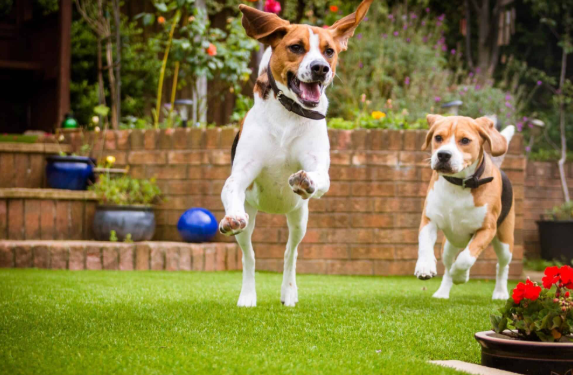
Dogs love to run through grass, chase balls, and explore the yard. However, some plants can cause trouble for your furry friend. Burrs and grass stickers are common problems in many lawns. They can cling to fur, stick between toes, and cause pain.
So, are burrs toxic to dogs? Most common burrs are not poisonous. However, their sharp points can hurt your dog’s skin, paws, eyes, and mouth. Some plant parts may also cause problems if your dog swallows them.
Fortunately, you can lower these risks with simple steps. First, learn how burrs affect dogs. Then, check your yard and protect your pet during outdoor play.
Are Burrs Toxic to Dogs or Just Painful?
Most common lawn burrs do not contain toxins that poison dogs. Instead, they cause trouble because of their sharp hooks and spines. These parts help the seeds attach to animal fur and spread to new places.
However, not all plants are the same. Some harmful plants produce seeds or plant parts that may cause poisoning. Therefore, you should identify an unknown plant before deciding it is safe.
Common grass stickers can cause several problems:
- Skin irritation: Sharp points may scratch your dog’s skin.
- Paw pain: Burrs can become trapped between the toes.
- Eye injuries: Loose plant parts may scratch sensitive eye tissue.
- Mouth discomfort: Burrs can stick to the lips, gums, or tongue.
- Digestive trouble: Swallowed plant material may irritate the digestive tract.
- Infection: Small punctures may become infected if left untreated.
In addition, some burrs can become deeply lodged in the skin. This can make removal painful and difficult.
Common Types of Burrs That Can Hurt Dogs
Different plants produce different types of burrs. Knowing what grows in your yard can help you protect your pet.
1. Grass Burrs
Grass burrs often grow in dry lawns and open fields. Their seeds have sharp points that cling to fur and clothing. Dogs may pick them up while running through untreated grass.
Once trapped, these burrs can cause pain with every step. They may also work deeper into thick fur.
2. Goatheads or Puncturevine
Goatheads produce hard seeds with sharp, thorn-like points. These seeds often lie close to the ground. As a result, dogs can step on them without noticing.
A goathead can puncture a paw pad and cause sudden limping. It may also damage shoes, tires, and other soft materials.
3. Burdock Burrs
Burdock plants produce round seed heads covered with hooked bristles. These burrs cling tightly to a dog’s coat.
Although they are not usually poisonous, removing them can take time. Pulling too hard may hurt the skin or break the hair.
Signs Your Dog Has a Burr Injury
Your dog may show clear signs after walking through a sticker-filled yard. However, some injuries remain hidden beneath thick fur.
Watch for these common warning signs:
- Limping or refusing to walk
- Licking or chewing one paw
- Scratching the ears or face
- Redness, swelling, or small wounds
- Frequent head shaking
- Squinting or rubbing an eye
- Drooling or pawing at the mouth
- Sudden pain when you touch one area
If your dog shows these signs, check its body carefully. Start with the paws, legs, belly, ears, and tail.
Next, part the fur gently and look for seeds or sharp plant pieces. Do not press on a painful area or force a deeply stuck burr out.
Contact your veterinarian if your dog has severe pain, swelling, bleeding, or a deep puncture. Eye injuries and breathing problems need urgent veterinary care.
How to Remove Burrs From Your Dog Safely
Quick action can prevent a small problem from getting worse. Still, you should remove burrs with care.
Step 1: Keep Your Dog Calm
Move your dog to a quiet place with good lighting. Speak gently and offer a treat if your pet feels comfortable.
Next, check the area where your dog shows pain. A calm dog makes the process safer for both of you.
Step 2: Inspect the Fur and Paws
Use your fingers to separate the fur around the burr. Look closely between the toes and around the ears.
Then, check the belly and legs. These areas can collect plant seeds during walks and outdoor play.
Step 3: Remove Loose Burrs
Use your fingers or a wide-tooth comb for loose burrs. Hold the hair near the skin to reduce pulling.
Work slowly from the outer edge of a tangled area. Never yank a burr from your dog’s coat.
Step 4: Know When to Stop
Some burrs may sit deep inside the skin. Others may become trapped in the ear canal or near an eye.
Do not dig into the skin with tweezers or sharp tools. Instead, let a veterinarian remove deeply lodged plant parts.
Step 5: Check the Area Again
After removal, inspect the skin for redness, cuts, or swelling. Also, watch your dog for changes in walking or behavior.
If pain continues, seek veterinary advice. A tiny puncture can still cause problems.
How to Keep Burrs Out of Your Yard
Removing burrs from your dog helps, but stopping them at the source works better. Therefore, regular lawn care should be part of your pet safety plan.
Try these simple steps:
Mow your lawn regularly. Keep grass at a suitable height for your lawn type. This helps you spot weeds before they spread seeds.
Remove sticker-producing weeds. Pull or treat weeds before their seeds mature. Wear thick gloves when handling plants with sharp spines.
Check bare patches. Burr-producing weeds often grow where grass is thin. Fill bare spots with suitable grass seed when conditions allow.
Inspect your yard after walks. Check your dog’s paws and coat after visiting fields, trails, or overgrown areas.
Use a lawn roller for stickers. A suitable sticker-removal roller can help collect loose burrs and sharp seeds from lawn surfaces. Choose a tool designed for your yard and the type of stickers present.
Dispose of collected burrs carefully. Keep removed seeds away from pets and children. Follow local guidance for safe yard waste disposal.
For more lawn care ideas and tools, visit Sticker Burr Roller.
When Should You Call a Veterinarian?
Most loose burrs can be removed at home. However, some injuries need professional care.
Call your veterinarian if your dog has a deep puncture, ongoing limping, or increasing swelling. You should also seek help if your dog cannot stop licking an injured paw.
Eye injuries need prompt attention. Never try to remove a sharp seed from your dog’s eyeball or deep inside its ear.
Furthermore, contact a veterinarian if your dog swallows a sharp plant seed and develops vomiting, pain, or trouble swallowing. If you suspect poisoning from an unknown plant, seek advice right away.
Do not wait for severe symptoms before getting help. Early treatment can reduce pain and lower the risk of infection.
Conclusion: Protect Your Dog From Painful Burrs
So, are burrs toxic to dogs? Most common lawn burrs are not poisonous, but they can still cause painful injuries. Their sharp points may damage paws, irritate skin, and become trapped in thick fur.
The good news is that simple habits can reduce these risks. Check your dog after outdoor play, remove loose burrs carefully, and keep your lawn free of sticker-producing weeds.
Also, pay attention to limping, swelling, eye irritation, or unusual behavior. When a burr becomes deeply lodged, let your veterinarian handle it.
A clean yard helps your dog enjoy more time outdoors. With regular lawn care and quick checks, you can make playtime safer and more comfortable for your best friend.
Frequently Asked Questions
1. Are burrs toxic to dogs if they swallow them?
Most common burrs are not poisonous. However, sharp seeds may irritate or injure the mouth, throat, or digestive tract. Contact your veterinarian if your dog swallows a burr, especially if symptoms develop.
2. Can grass stickers hurt a dog’s paws?
Yes. Grass stickers and sharp seeds can puncture paw pads or become trapped between the toes. Watch for limping, licking, redness, and swelling after outdoor play.
3. What should I do if a burr gets stuck in my dog’s fur?
First, keep your dog calm and separate the surrounding hair gently. Use your fingers or a wide-tooth comb for loose burrs. If the burr is deeply lodged, ask your veterinarian for help.
4. How can I prevent burrs from growing in my yard?
Mow regularly, remove weeds before they produce seeds, and repair bare patches. Also, inspect your lawn often and collect loose stickers with a suitable lawn tool.
5. Can a lawn roller remove stickers that may hurt dogs?
A suitable sticker-removal roller can collect certain loose burrs and sharp seeds from lawn surfaces. Results depend on the plant, soil, and yard conditions. Combine lawn cleanup with regular mowing and weed control for better results.