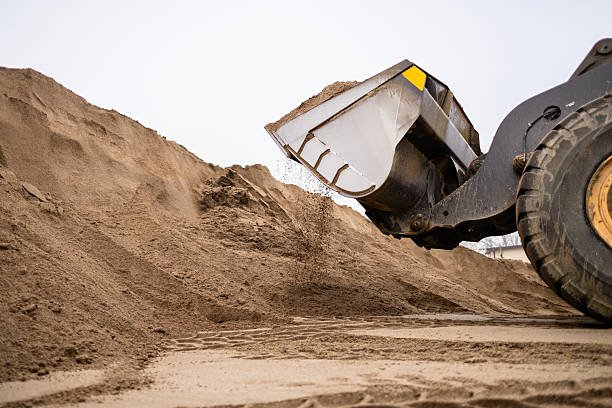
Have you ever ordered a load of sand and wondered why it seems heavier than expected, even though the quantity looks about right? The answer may be as simple as water. When arranging bulk sand delivery near me in California, it helps to understand how moisture changes the weight, volume, and handling of sand. A little water can make a noticeable difference, especially when you are planning a construction project, filling an area, or preparing a base for concrete.
Let us look at what happens when sand gets wet, why it matters, and how you can avoid ordering more or less than your project needs.
Why Does Moisture Make Sand Heavier?
It is easy to think that a pile of sand weighs the same whether it is dry or wet. In reality, water adds extra weight. Think about a bucket of dry sand. Now imagine adding water to it. The sand grains do not suddenly become heavier on their own, but the water between them adds to the total load. The same thing happens with bulk sand delivered to a construction site.
This matters when you are arranging transportation or checking how much material a truck can carry. A load of wet sand may weigh more than the same amount of dry sand, even if both loads look similar. For larger projects, ignoring this difference can throw off your material estimates and delivery plans.
How Moisture Changes the Volume of Sand
Here is where things get a little interesting. Water does not just affect weight. It can also change the way sand sits in a pile or container. When sand contains a moderate amount of moisture, a thin layer of water forms around the grains. This creates a slight attraction between the particles, helping them hold their shape and stay apart. As a result, the sand may occupy more space than the same quantity of dry sand. This is known as bulking of sand.
You may notice this when damp sand looks loose and fluffy compared with dry sand. It can seem like you are getting more material, even though the actual amount of sand has not increased.
Once the sand becomes very wet or saturated, the situation can change. Water starts filling the spaces between the grains, and the volume may behave differently depending on the sand type, drainage, and how tightly it is packed.
Why This Difference Matters for Construction
Imagine you are preparing a base for paving stones or ordering sand for a concrete project. You estimate the amount you need, arrange delivery, and expect everything to go smoothly. Then the material arrives with a different moisture level than you expected.
That small difference can create practical problems.
- Incorrect quantity estimates: Moist sand may occupy more space, making visual estimates less reliable.
- Extra transportation weight: Water adds weight to the load, which can affect delivery planning.
- Changes during mixing: Wet sand already contains water, so the amount of additional water needed for concrete or mortar may change.
- Uneven placement: Damp sand can clump together, making it harder to spread evenly in some applications.
These issues are manageable when you account for moisture before ordering and using the material.
How Can You Estimate the Right Amount of Sand?
Start by thinking about the job rather than simply looking at the size of the pile. Are you filling a garden area, preparing a driveway base, or working on a concrete project? Each task may need a different sand type and level of moisture control.
Measure the length, width, and depth of the area you need to fill. Multiply these measurements to find the required volume. Then speak with your supplier about the material’s condition and whether the quoted quantity is based on weight or volume.
It is also helpful to avoid judging a load by appearance alone. Two piles can look nearly identical while having different moisture levels and actual dry sand content. When planning bulk sand delivery near me in California, ask your supplier how quantities are measured and whether the sand is typically delivered dry, damp, or wet. A quick conversation can save you from unnecessary delays and extra costs.
What Should You Check Before Accepting a Delivery?
Before unloading, confirm that the delivered sand matches your order and intended use. Check the material for excessive water, unusual clumping, or signs that it has become mixed with unwanted soil or debris. If the project requires a specific moisture level, such as concrete batching or controlled compaction, visual inspection alone may not be enough. A suitable moisture test can help you determine how much water is present.
And remember, wet sand is not automatically poor-quality sand. What matters is whether its condition suits your project and whether the quantity has been measured correctly.
Frequently Asked Questions
1. Does wet sand weigh more than dry sand?
Yes. Water adds mass to the sand, so a wet load generally weighs more than an equivalent amount of dry sand.
2. Does wet sand take up more space?
Damp sand can occupy more space because moisture creates a bulking effect. The change depends on the moisture level and the type of sand.
3. Can moisture affect the amount of sand delivered by a truck?
Yes. If sand is sold by weight, water contributes to the total load weight. If it is sold by volume, moisture-related bulking can affect how much actual sand the measured volume contains.
4. Why is moisture important when mixing concrete?
Sand already contains water when it is wet. Adjusting the added water helps maintain the intended concrete consistency and performance.
5. How can we order the right amount of bulk sand?
Measure the area carefully, identify the correct sand type, and ask your supplier whether the order is based on weight or volume. Discussing moisture conditions before delivery can also help you plan more accurately.