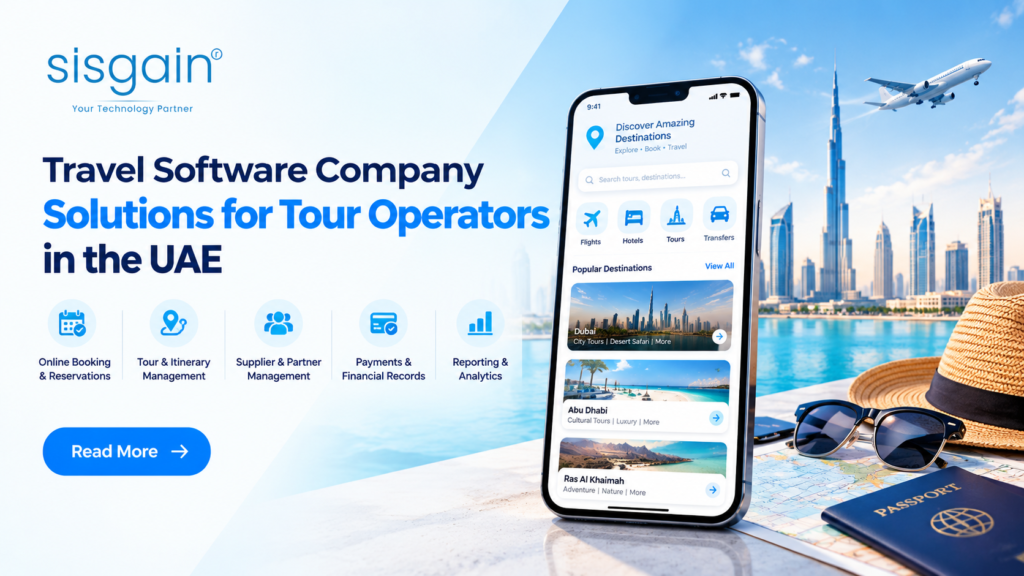
The UAE has become a major destination for international travelers, offering a combination of cultural attractions, luxury hospitality, adventure activities, shopping experiences, and business tourism. From Dubai’s city tours and desert safaris to Abu Dhabi’s cultural landmarks, tour operators manage a wide variety of experiences for visitors throughout the year. As customer expectations evolve, travelers increasingly look for convenient booking options, clear itineraries, timely updates, and personalized travel experiences.
Managing these expectations through spreadsheets, emails, phone calls, and disconnected booking tools can become challenging as a travel business grows. Tour operators must coordinate reservations, supplier availability, customer information, payments, transportation, and tour schedules while ensuring that every booking is handled accurately.
Travel software Company provides a structured way to manage these activities through connected digital platforms. With the right solution, tour operators can simplify administrative work, improve booking visibility, and coordinate daily operations more efficiently. For businesses operating in the UAE, travel software can also support digital transformation by connecting customers, travel agents, suppliers, and internal teams through a more consistent workflow.
Understanding Tour Operator Business Challenges in the UAE
Tour operators handle multiple activities before, during, and after a trip. They must publish tour packages, confirm availability, manage customer inquiries, coordinate with hotels and transport providers, process payments, and communicate itinerary changes. When these tasks are handled through separate systems, information can become inconsistent and employees may spend significant time updating records manually.
Tour Operator Business Challenges become more noticeable when a company manages different types of tours, works with multiple suppliers, or serves customers across several booking channels. A reservation received through a website, for example, may need to be entered into another system before the operations team can confirm the booking. This creates additional work and increases the possibility of errors.
Seasonal demand can create further pressure. During holidays, major events, and peak tourism periods, booking volumes may increase while teams must continue coordinating schedules, transport, guides, and customer requests. Without clear visibility into available resources, operators may struggle to respond quickly to changes.
Common challenges include:
- Manual reservation management: Employees may need to update booking details across multiple files or platforms.
- Supplier coordination: Confirming hotel rooms, transport, guides, and attraction tickets can involve repeated communication.
- Changing itineraries: Last-minute changes require accurate updates for customers and operational teams.
- Limited booking visibility: Disconnected records make it harder to understand availability, payment status, and booking progress.
- Customer communication gaps: Delayed confirmations or inconsistent information can affect the overall travel experience.
- Operational reporting difficulties: Manually combining booking and sales data can slow business planning.
Travel software can address these challenges by centralizing relevant information and establishing clearer processes for reservations, supplier coordination, and customer communication.
How UAE Tourism Digitalization Is Changing Travel Businesses
UAE Tourism Digitalization reflects the growing role of digital platforms, connected services, online transactions, and data-driven tools in the tourism sector. Travelers increasingly research destinations online, compare experiences, make reservations digitally, and expect timely information throughout their journeys. Tour operators must therefore consider how their technology supports both customer-facing services and internal operations.
A digital travel platform can provide customers with access to tour descriptions, prices, available dates, booking forms, payment options, and confirmation details. On the operational side, the same platform can help staff manage reservations, review customer requirements, coordinate resources, and monitor upcoming departures.
For example, a Dubai-based tour operator offering city sightseeing, desert excursions, and private tours may receive reservations through its website, travel agents, and corporate partners. A centralized software platform can bring these bookings together so employees can review availability and manage schedules from a common source of information.
Digitalization also creates opportunities to improve business decision-making. Booking records can help operators understand which packages attract interest, when demand changes, and which sales channels generate reservations. These insights can inform package planning, promotional campaigns, and resource allocation.
However, digital transformation involves more than launching a website or accepting online payments. Businesses should review the complete booking journey, identify repetitive administrative tasks, and determine how different systems can work together. This approach helps ensure that digital tools improve the underlying business process rather than simply moving existing manual work online.
Tour Package Management Processes with Travel Software
Tour packages often combine multiple services, such as transportation, accommodation, meals, guided activities, attraction tickets, and special experiences. Managing these components requires accurate information about availability, pricing, inclusions, restrictions, and supplier arrangements.
Tour Package Management Processes become easier to coordinate when the relevant details are maintained in a centralized system. Travel software can help operators create package descriptions, organize itineraries, define prices, manage departure schedules, and update availability. Depending on the platform, it may also support seasonal pricing, optional add-ons, group reservations, and supplier records.
Consider a multi-day UAE tour that includes hotel accommodation, airport transfers, city sightseeing, and desert activities. If the hotel changes its availability, the operator needs to understand how that change affects the package and its confirmed reservations. A connected platform can help staff review the affected bookings and communicate necessary updates to customers.
A well-organized package management process typically includes:
- Package creation: Define destinations, activities, inclusions, exclusions, and customer requirements.
- Pricing management: Maintain package rates, group pricing, seasonal variations, and applicable additional charges.
- Availability tracking: Coordinate tour dates, capacity limits, and supplier availability.
- Reservation coordination: Link confirmed bookings with the services required to fulfil each itinerary.
- Itinerary updates: Record changes and share relevant information with customers and internal teams.
- Performance review: Compare package bookings, revenue, and demand patterns to support future planning.
Centralizing these activities can reduce repeated data entry and help employees work from more consistent records. Operators should still define clear approval procedures for pricing changes, cancellations, and supplier substitutions to ensure that software-supported processes remain accurate.
Travel Booking Workflow Automation for Faster Reservations
Travel inquiries and reservations can involve several steps, including collecting traveler details, checking availability, confirming prices, processing payments, issuing booking confirmations, and sharing itinerary information. When every step depends on manual follow-ups, the booking process may take longer than necessary and place additional pressure on customer service teams.
Travel Booking Workflow Automation uses predefined rules and connected applications to move routine booking activities through an organized sequence. Depending on the system, a reservation may trigger an availability check, generate a payment request, notify the operations team, and send a confirmation after the required conditions are satisfied.
For example, when a customer reserves a guided tour through a website, the software can capture the booking details and update the reservation record. After payment or any required approval is confirmed, the platform may issue a confirmation and notify the team responsible for arranging the tour. This reduces the need for employees to manually repeat each step.
Automation can support several travel booking activities:
- Sending reservation confirmations and payment notifications.
- Recording customer details and booking preferences.
- Updating booking statuses when required conditions are met.
- Sending pre-tour reminders and itinerary information.
- Flagging incomplete payments or reservations requiring staff attention.
- Notifying relevant employees when a booking changes or is cancelled.
Automation should not remove necessary checks. Availability, payment status, refund conditions, and supplier confirmations must be verified according to the business’s policies and the capabilities of its systems.
When implemented carefully, automated workflows help tour operators handle routine reservations more consistently while allowing employees to focus on customer questions, special requests, and situations that require human judgment.
Improving Tourism Business Operations in Dubai
Tourism Business Operations in Dubai require coordination between booking teams, tour guides, transport providers, hotels, attraction operators, and customer support staff. Even a relatively straightforward excursion may involve several parties that need accurate information at the right time.
Travel software can support this coordination by bringing reservation details, customer requirements, schedules, and operational updates into a shared environment. Staff can review upcoming tours, identify resource requirements, and access the latest booking information without relying entirely on separate messages or spreadsheets.
For example, a tour operator running several desert safari departures each day must coordinate vehicle capacity, pickup locations, guide assignments, activity timings, and customer preferences. A centralized platform can help employees review reservations and organize operational requirements before each departure.
Useful capabilities may include:
- Scheduling and dispatch: Organize departure times, transport arrangements, and guide assignments.
- Customer information management: Keep relevant booking details and special requirements accessible to authorized staff.
- Supplier coordination: Maintain records of service providers, reservations, and confirmation statuses.
- Operational dashboards: Review upcoming tours, booking volumes, and tasks that require attention.
- Customer notifications: Communicate relevant changes to pickup times, itineraries, or reservation details.
The specific requirements will vary between inbound tour operators, destination management companies, activity providers, and businesses specializing in corporate or group travel. Selecting software around actual operational needs helps avoid unnecessary features and ensures that employees can use the platform effectively.
Travel Software Solution Development in Dubai: Features to Consider
Off-the-shelf platforms may cover common booking requirements, but some operators need workflows tailored to their packages, supplier relationships, or existing business applications. In these cases, travel software solution development dubai can be relevant when a business is evaluating custom or configurable software for its operating model.
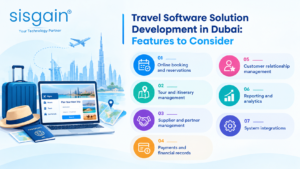
A travel software solution may include several interconnected modules, depending on the organization’s requirements.
Online booking and reservations: Customers can browse available experiences, submit booking details, and complete supported reservation steps through a digital interface.
Tour and itinerary management: Staff can create packages, update itineraries, manage departures, and coordinate the services included in each booking.
Supplier and partner management: The platform can maintain supplier records, track confirmations, and help employees coordinate with hotels, transport providers, and activity partners.
Payments and financial records: Suitable integrations can support payment processing, transaction tracking, and booking-related financial workflows. Businesses should select payment providers that meet their operational and compliance requirements.
Customer relationship management: Customer records and communication histories can help staff respond more consistently to inquiries and understand previous interactions.
Reporting and analytics: Dashboards can provide visibility into reservations, package performance, sales channels, and operational trends.
System integrations: APIs and supported integrations can connect travel software with accounting tools, customer relationship management platforms, payment gateways, or other systems already used by the business.
Custom development should begin with clear requirements rather than a long feature list. Operators should identify their most time-consuming workflows, define the information each team needs, and prioritize features that address genuine operational problems.
Security and data management are equally important. Travel platforms may process personal details, booking histories, and payment-related information. Appropriate access controls, secure integrations, data protection practices, and reliable backup procedures should be part of the solution design.
Travel Booking Software Benefits for Tour Operators
The Travel Booking Software Benefits extend beyond accepting reservations online. A well-integrated system can improve coordination between customer-facing activities and the operational work required to deliver a tour.
One important benefit is centralized booking information. When employees can access consistent reservation records, they spend less time checking multiple files or asking colleagues to confirm basic details. This can also make it easier to identify incomplete bookings, review upcoming departures, and respond to customer inquiries.
Another advantage is improved operational visibility. Tour operators can review scheduled tours, confirmed reservations, and resource requirements in one place, depending on the software’s capabilities. This helps teams prepare for upcoming activities and identify potential scheduling conflicts earlier.
Additional benefits may include:
- Reduced administrative workload: Automation can handle repetitive notifications, record updates, and routine booking steps.
- More consistent customer communication: Standardized confirmations and reminders help customers receive important information at the right time.
- Improved resource planning: Booking and schedule information can support decisions about transport, guides, and supplier requirements.
- Better reporting: Consolidated data can help managers review sales patterns and package performance.
- Support for business growth: A scalable platform can help manage increasing reservation volumes without requiring every task to be handled manually.
These outcomes depend on implementation quality, employee adoption, system reliability, and the accuracy of booking data. Software should be evaluated against measurable business objectives, such as reducing manual booking work, improving confirmation times, or increasing visibility into upcoming departures.
Using Data and Connected Technology to Improve Travel Services
Travel software can become more valuable when it connects booking activity with operational data and other digital services. Information from reservations, customer interactions, supplier systems, and connected devices can help operators understand how their services are performing and where improvements may be needed.
For example, booking data may reveal which experiences are popular during specific periods, while operational records may show where pickup delays occur most frequently. When these sources are analyzed together, businesses can make better-informed decisions about schedules, package design, and customer communication.
Connected technologies can also support certain travel operations. GPS-enabled systems may provide vehicle location information, while connected sensors can help monitor selected equipment or environmental conditions. These applications are most useful when the collected information supports a defined operational requirement and can be accessed securely by the responsible teams.
For more information on how connected technology supports business transformation, read our related article: Read More
The article explores how IoT adoption can help businesses connect physical assets, improve operational visibility, and use real-time data to support smarter decisions.
Tour operators should approach these technologies selectively. A new integration should solve a practical problem, fit the existing workflow, and provide measurable value rather than add complexity to the software environment.
Choosing the Right Travel Software Development Partner
Choosing a development partner is an important decision for tour operators planning to upgrade their booking systems or build a tailored travel platform. The provider should understand both the technical requirements and the operational realities of managing tours, suppliers, schedules, and customer reservations.
Before selecting a partner, businesses should evaluate its ability to understand requirements, design intuitive interfaces, integrate third-party systems, and provide ongoing maintenance. It is also important to discuss project scope, implementation timelines, data migration, security responsibilities, and support arrangements.
A practical selection process includes:
- Review current workflows: Identify booking tasks, coordination issues, and recurring administrative bottlenecks.
- Define business requirements: Establish which features are essential and which can be introduced in later phases.
- Assess integration needs: Determine how the platform will connect with existing payment, accounting, CRM, and supplier systems.
- Evaluate usability: Ensure that employees and customers can navigate the system without unnecessary complexity.
- Plan for future growth: Consider additional packages, booking channels, users, and locations that may be added later.
- Establish performance measures: Define how the business will evaluate improvements after implementation.
SISGAIN supports businesses exploring software solutions aligned with their digital transformation goals. For tour operators, a structured development approach can help connect booking workflows, customer information, supplier coordination, and operational reporting within a solution designed around real business needs.
Conclusion
Travel software company solutions can help tour operators in the UAE manage reservations, coordinate suppliers, organize tour packages, and improve customer communication through connected digital workflows.
By addressing common operational challenges and automating repetitive booking activities, businesses can improve visibility and create more consistent service processes. Digitalization also provides opportunities to use booking data and connected technologies for better planning and informed decisions.
The most effective solution is one that fits the operator’s business model, integrates with essential systems, and can adapt as requirements change. With careful planning and continuous improvement, travel software can support more efficient tourism operations and sustainable business growth in the UAE.
FAQs
1. How can travel software solution development dubai help travel agencies improve their services?
Travel software solution development dubai helps travel agencies streamline reservations, manage itineraries, and coordinate suppliers through customized digital platforms. These solutions improve operational efficiency and support better customer experiences.
2. What are the key Travel Booking Software Benefits for travel businesses?
Travel Booking Software Benefits include faster reservations, automated confirmations, centralized booking management, and convenient payment processing. These features help reduce manual work, minimize booking errors, and improve customer satisfaction.
3. How can businesses improve their Tour Package Management Processes?
Tour Package Management Processes can be improved by centralizing itinerary planning, supplier coordination, pricing, and reservation management. Digital tools help travel agencies update packages efficiently, track availability, and organize tour operations.
4. How does Travel Booking Workflow Automation improve booking efficiency?
Travel Booking Workflow Automation automates repetitive tasks such as reservation confirmations, payment notifications, and booking updates. It reduces administrative workload, speeds up processing, and allows travel teams to focus on customer service.
5. How can technology improve Tourism Business Operations in Dubai?
Tourism Business Operations in Dubai can benefit from digital booking platforms, customer relationship management systems, and automated itinerary management. These technologies help tourism businesses coordinate services, manage customer requests, and respond efficiently to changing travel demand.