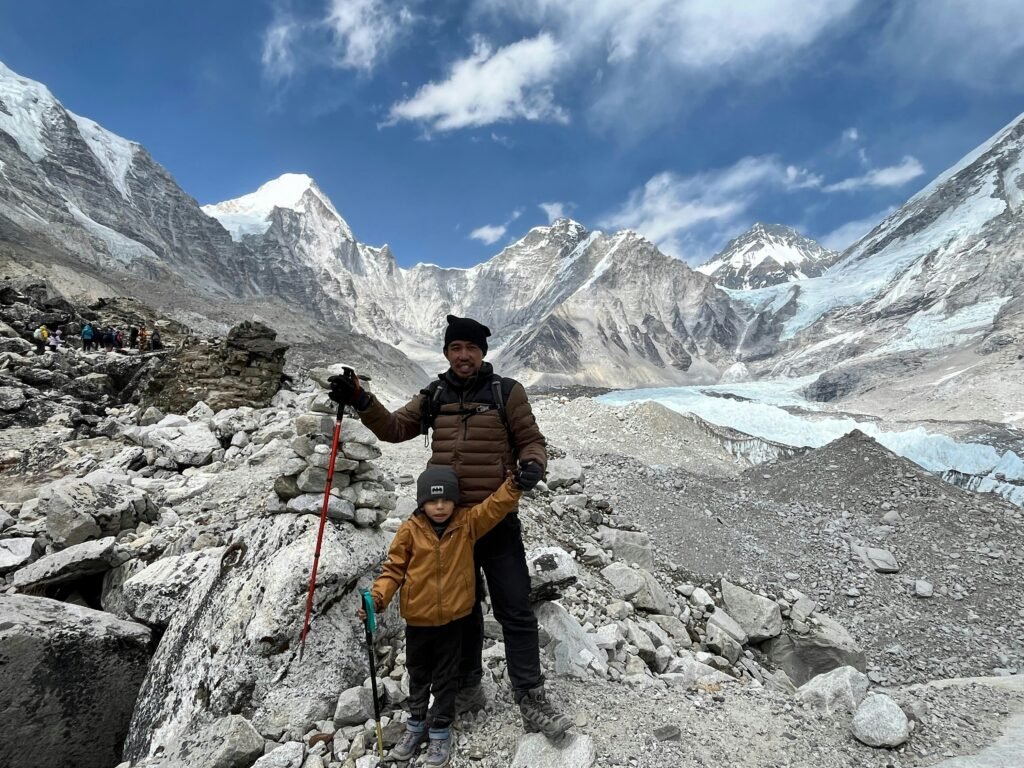
Reaching the foot of the world’s highest mountain is a dream for many adventure lovers. The Everest Base Camp Trek offers stunning mountain views, quiet Sherpa villages, and trails filled with natural beauty. But this journey is not easy. Long walks, steep climbs, cold weather, and high altitude can test both the body and mind. With good preparation and a steady pace, many trekkers can enjoy this amazing Himalayan adventure.
How Difficult Is the Everest Base Camp Trek?
The Everest Base Camp Trek is usually rated as a moderate to challenging trek. It does not require technical climbing skills, but it does demand good fitness and strong determination. Trekkers walk for several hours each day on rocky paths, stone steps, and steep trails.
Most trekking days involve around five to seven hours of walking. Some days may feel harder because of the thin air and rough ground. The trail also has many uphill and downhill sections, which can make the journey tiring.
Beginners can complete this trek if they prepare well, walk at a steady pace, and allow enough time to adjust to the altitude.
High Altitude Is the Biggest Challenge
One of the main challenges is the height. Everest Base Camp sits at about 5,364 meters above sea level. At this height, the air contains less available oxygen, so walking can feel harder than it does at lower elevations.
Some trekkers may develop altitude sickness. Common signs include headaches, dizziness, nausea, loss of appetite, and unusual tiredness. These symptoms should never be ignored.
To reduce the risk, trekkers should:
-
Walk slowly and avoid rushing.
-
Drink water often and eat regular meals.
-
Follow a plan that includes rest and acclimatization days.
-
Tell the guide about any signs of illness.
-
Descend if altitude sickness gets worse.
Good acclimatization is a key part of a safe trek. No level of fitness can fully prevent altitude sickness, so listening to the body is very important.
Long Walking Days and Steep Trails
The trail to Everest Base Camp passes through forests, suspension bridges, rocky paths, and high mountain valleys. Some sections are smooth, while others have steep steps and loose stones. The trail can also become slippery after rain or snow.
Trekkers usually walk for about 12 to 14 days, depending on the route and schedule. Each day brings new views, but it also requires energy and patience. The walk from Lobuche toward Everest Base Camp can feel especially demanding because of the high altitude.
A good pair of broken-in hiking boots, trekking poles, and a comfortable backpack can make walking easier. Taking short breaks helps save energy for the next part of the trail.
Weather and Cold Conditions
The weather in the Everest region can change quickly. Mornings may be sunny, while afternoons can bring strong winds, clouds, or snow. Temperatures drop as the trail climbs higher, and nights can be very cold.
Spring and autumn are popular seasons for the trek because they often offer good views and suitable walking conditions. However, mountain weather is never fully predictable.
Warm layers, a waterproof jacket, gloves, a hat, and a warm sleeping bag help trekkers stay comfortable. Checking the forecast and following the guide’s advice can also help reduce weather-related risks.
How to Prepare for the Trek
Good preparation can make the Everest Base Camp Trek easier and more enjoyable. Trekkers should begin training several weeks or months before departure. Regular walking, hiking on hills, stair climbing, and cycling can help build strength and stamina.
It is also useful to practise walking with a backpack. This helps the body adjust to carrying gear during long days on the trail.
Mental preparation matters too. Some days may feel tiring, and the weather may not always be perfect. Setting a steady pace, staying patient, and focusing on each day’s goal can help trekkers keep moving forward.
How Nepal Social Treks and Expedition Can Help
Planning a high-altitude trek is easier with the right support. Nepal Social Treks and Expedition offers services to help trekkers prepare for the Everest Base Camp journey. These include experienced trekking guides, porter support, permit arrangements, transportation, accommodation, and customized itineraries.
The team can also provide information about the route, walking duration, altitude, packing needs, and acclimatization. Guides help trekkers follow the planned route and watch for signs of altitude sickness. Equipment advice and preparation support can also help travelers feel more ready for the trail.
Choosing a suitable itinerary and following safety guidance are important parts of a successful trek.
Is the Everest Base Camp Trek Worth the Challenge?
The Everest Base Camp Trek can be hard, but the rewards are unforgettable. Trekkers can see towering Himalayan peaks, explore Sherpa villages, visit Buddhist monasteries, and experience the rich culture of the Khumbu region. Standing near Everest Base Camp is a special moment for many travelers.
The journey requires fitness, patience, and respect for the mountains. With proper training, enough time to adjust to the altitude, and good support, many people can complete this trek safely. The trail may challenge every step, but the mountain views and memories make the effort worthwhile.