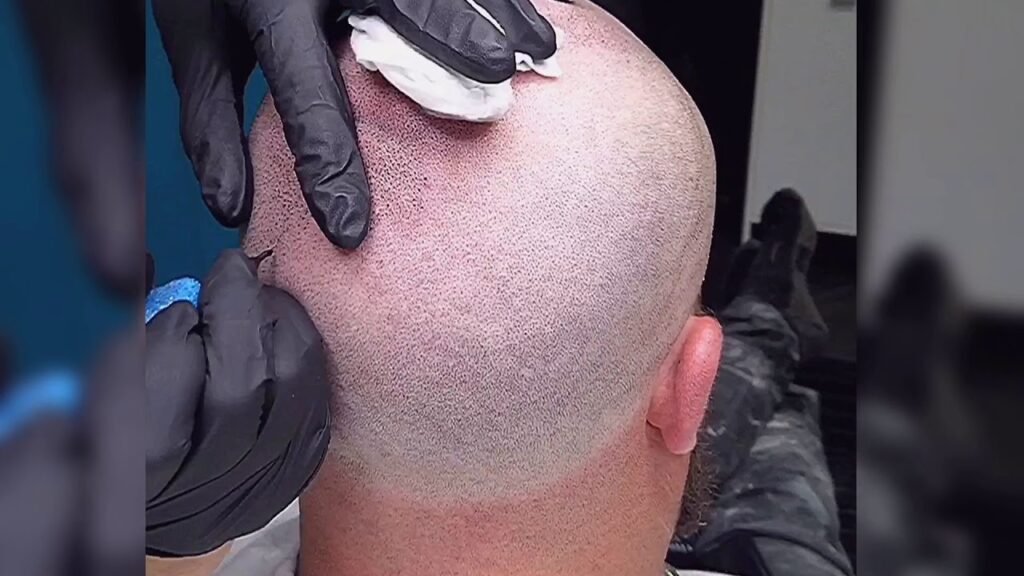
Scalp micropigmentation can create the appearance of fuller hair, define a receding hairline, or provide a closely shaved look by placing carefully selected pigment into the scalp. However, the final appearance is influenced by several factors rather than the procedure alone. Skin characteristics, pigment selection, practitioner technique, hair-loss pattern, aftercare, and realistic treatment planning can all affect how natural and consistent the result looks.
When considering Scalp Micropigmentation Dubai, it is important to understand that the treatment is a cosmetic procedure designed to replicate the visual effect of hair follicles rather than grow new hair. The quality of the outcome therefore depends heavily on how accurately the pigmentation complements the person’s existing hair, scalp tone, facial features, and degree of hair loss.
Individual expectations also matter. Someone with complete scalp hair loss may have different treatment goals from someone experiencing thinning around the crown or a receding frontal hairline. The design, pigment density, and treatment approach should reflect these differences.
A professional consultation is useful because it allows the practitioner to assess the scalp and discuss the desired appearance before treatment begins. A careful assessment can also help determine whether scalp micropigmentation is appropriate for the individual’s skin condition, hair-loss pattern, and aesthetic expectations.
Skin Tone and Scalp Characteristics
Skin tone is one of the important considerations when creating a natural-looking pigmentation effect. Pigment should complement the underlying skin rather than appearing excessively dark or creating an obvious contrast.
Scalp characteristics can also influence the visual result. Oiliness, dryness, sensitivity, scarring, and existing pigmentation may affect how pigment settles and appears during healing. A qualified practitioner should assess the scalp before deciding on pigment shades and application techniques.
The aim is generally to create subtle follicle-like impressions that blend with the surrounding skin and hair. Using the same pigment intensity for every person can produce an unnatural appearance, which is why treatment planning needs to be individualized.
Pigment Selection Makes a Difference
Pigment choice involves more than simply matching the person’s existing hair color. The practitioner needs to consider skin undertones, natural hair characteristics, desired hairstyle, and whether the person intends to maintain a shaved or very short haircut.
Pigment that initially appears appropriate can change visually as the scalp heals. Professional practitioners therefore need to understand how pigment behaves within the skin and how healed impressions will interact with the surrounding scalp.
The size, spacing, and concentration of impressions are also important. Excessively dense pigmentation can make the scalp appear overly uniform, while insufficient density may not provide the desired visual coverage.
Hairline Design Influences the Overall Appearance
The hairline is one of the most noticeable aspects of scalp micropigmentation. A design that is too low, perfectly straight, or sharply defined may look artificial, particularly when it does not correspond with the person’s age and facial proportions.
A more natural approach considers facial structure and the existing pattern of hair loss. Small variations in follicle placement can help reproduce the irregularity normally associated with natural hairlines.
The transition between the pigmented area and untreated scalp is equally important. A gradual change in density can help prevent an abrupt visual boundary.
The Extent and Pattern of Hair Loss
The underlying hair-loss pattern directly affects treatment planning. Diffuse thinning, a receding hairline, crown thinning, complete baldness, and visible transplant scars may each require different approaches.
For people who still have existing hair, pigmentation may be designed to reduce the visual contrast between the scalp and surrounding strands. In cases of extensive hair loss, the treatment may focus more heavily on creating a consistent shaved-head appearance.
Previous procedures can also influence the plan. Scars, uneven pigmentation, or changes in scalp texture may require particular attention during treatment.
Practitioner Technique and Experience
Technical skill has a significant role in the appearance of scalp micropigmentation. The practitioner needs to control needle depth, spacing, pigment quantity, angle, and placement to create consistent follicle-like impressions.
Overly deep application can create problems with pigment appearance and definition, while inconsistent placement may result in an uneven pattern. The practitioner must also understand how different areas of the scalp can respond differently during treatment.
Experience with a variety of hair-loss patterns can be valuable because the procedure is not simply a matter of applying pigment across the scalp. The practitioner must consider density, transitions, hairline design, and overall facial balance.
Treatment Planning and Session Strategy
Scalp micropigmentation is commonly approached progressively rather than treating every area at maximum density immediately. Multiple sessions may allow the practitioner to evaluate how the scalp responds and make adjustments to density or tone during subsequent appointments.
This staged approach can also help refine the appearance as the treatment develops. Healing between sessions gives the practitioner an opportunity to assess the pigment and determine whether additional work is appropriate.
A detailed consultation should establish the intended result before treatment begins. Discussing preferred hair length, hairline shape, areas of concern, and expectations can help create a more individualized plan.
Aftercare Can Affect the Final Result
Following aftercare instructions is another factor that can influence how the scalp heals. The skin needs time to recover after pigmentation, and unnecessary irritation can interfere with the healing process.
Patients may be advised to follow specific instructions concerning washing, sweating, sun exposure, and products applied to the scalp. These recommendations can vary depending on the technique used and the individual’s skin.
Long-term scalp care also matters. Sun exposure can affect the appearance of pigmentation over time, while changes in hairstyle or additional hair loss may alter how the result looks. Periodic maintenance may therefore be discussed during consultation.
What Should You Look For When Considering Scalp Micropigmentation Dubai?
When evaluating a treatment provider, consider the practitioner’s qualifications, relevant experience, treatment portfolio, hygiene practices, consultation process, and approach to individualized treatment planning.
It can be useful to examine healed results rather than relying exclusively on immediately after-treatment photographs. Freshly completed pigmentation can look different from its healed appearance, so seeing appropriate examples can provide a more realistic understanding of possible outcomes.
The consultation should also feel informative rather than rushed. A responsible practitioner should explain what the procedure can and cannot achieve, discuss potential risks, and provide realistic expectations rather than promising identical results for every patient.
Technology and technique are relevant, but they should be considered alongside practitioner expertise. Equipment alone does not determine the final aesthetic outcome. The ability to use the equipment appropriately and adapt the technique to each scalp is equally important.
Frequently Asked Questions
Does scalp micropigmentation create real hair growth?
No. Scalp micropigmentation does not stimulate the growth of new hair follicles. It creates the visual appearance of follicular dots on the scalp, which can make thinning or bald areas appear more covered.
How long does the result usually last?
The longevity of pigmentation varies between individuals. Skin type, sun exposure, lifestyle, pigment characteristics, and aftercare can all influence how the appearance changes over time. Maintenance sessions may eventually be recommended.
Can the treatment work with existing hair?
Yes. Scalp micropigmentation can be performed for people who still have natural hair. The pigmentation can be planned to complement existing density and reduce the contrast between thinning areas and the scalp.
Can scalp micropigmentation cover a receding hairline?
It can be used to create the appearance of a more defined hairline, depending on the individual’s pattern of hair loss and treatment goals. The design should be based on facial proportions and a realistic, age-appropriate appearance rather than simply lowering the hairline as much as possible.
Is the final result immediately visible?
The appearance can change during the healing process. Initial pigmentation may look stronger or darker before settling, so the immediate post-treatment appearance should not necessarily be considered the final result. Proper aftercare and follow-up assessment are important.
Conclusion
The results of Scalp Micropigmentation depend on a combination of factors, including pigment selection, skin characteristics, hair-loss pattern, hairline design, practitioner technique, treatment planning, and aftercare. No single element determines the outcome on its own.
A natural-looking result generally requires careful attention to proportion, density, pigment placement, and the relationship between the treated scalp and the person’s existing appearance. A thorough consultation can help establish realistic expectations and determine an appropriate treatment approach.
Understanding these factors before treatment allows individuals to evaluate providers more carefully and make informed decisions about whether scalp micropigmentation aligns with their cosmetic goals. With appropriate planning and professional technique, the procedure can create a carefully designed visual effect that complements the individual’s appearance without attempting to imitate natural hair growth itself.