A straighter smile can improve more than appearance. Properly aligned teeth may also make brushing and flossing easier, support a healthier bite, and contribute to better overall oral health. When it comes to correcting misaligned teeth, Invisalign and traditional braces are two of the most common orthodontic options available.
But which one is right for you?
The answer depends on several factors, including your orthodontic needs, lifestyle, appearance preferences, treatment complexity, and how much responsibility you are comfortable taking on during treatment. A dentist in Bethesda can evaluate your smile and help determine which approach is best suited to your individual needs.
How Does Invisalign Work?
Invisalign uses a series of clear, removable aligners that gradually move the teeth into their desired positions. Each set of aligners is typically worn for a specified period before moving on to the next stage of treatment.
One of Invisalign’s biggest advantages is its discreet appearance. Because the aligners are made from clear material, they are often less noticeable than traditional metal braces.
An experienced Invisalign dentist can evaluate tooth alignment, bite concerns, spacing, crowding, and other factors before creating a personalized treatment plan. Invisalign may be suitable for many mild to moderate orthodontic concerns, although more complex cases may require other approaches.
How Do Traditional Braces Work?
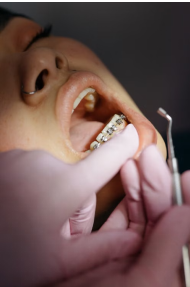
Traditional braces use brackets that are attached to the teeth and connected with wires. These components apply controlled pressure over time to gradually reposition the teeth.
Modern braces are more refined than older designs and can address a wide variety of orthodontic issues. They are commonly recommended for significant crowding, rotated teeth, complex bite problems, and other cases where precise tooth movement may be necessary.
Because braces remain fixed to the teeth throughout treatment, patients do not have to remember to put them back in after meals.
Invisalign vs. Braces: Appearance
Appearance is one of the most noticeable differences between the two options.
Invisalign aligners are transparent and designed to blend naturally with your smile. This can make them appealing to adults, professionals, teenagers, or anyone who would prefer a less visible orthodontic treatment.
Traditional braces are more noticeable because brackets and wires are attached directly to the teeth. While some patients do not mind their appearance, others may prefer the more discreet design of Invisalign.
For patients who place a high priority on aesthetics, speaking with an Invisalign dentist in Bethesda can help clarify whether clear aligners can successfully address their orthodontic concerns.
Which Option Is More Comfortable?
Both Invisalign and braces can create some temporary pressure or tenderness as the teeth begin moving.
Invisalign trays have smooth surfaces and do not contain metal brackets or wires that may occasionally irritate the cheeks or lips. However, patients may experience mild discomfort when beginning a new set of aligners.
Braces can also cause temporary soreness after adjustments. Brackets and wires may sometimes rub against the inside of the mouth, particularly during the first few weeks of treatment.
Your dental team can provide guidance on managing normal orthodontic discomfort and help distinguish it from an issue that may require professional attention or emergency dental care.
Maintenance and Oral Hygiene
Oral hygiene is another important consideration.
Invisalign aligners are removable, allowing patients to brush and floss normally. The aligners themselves must also be cleaned regularly to prevent plaque, odors, and discoloration.
Braces require more detailed cleaning around brackets and wires because food particles can become trapped in difficult-to-reach areas. Special flossing tools, interdental brushes, or other cleaning aids may be recommended.
Regular appointments for general dentistry remain important during either type of orthodontic treatment. Professional cleanings and examinations can help monitor gum health, tooth enamel, and other areas that orthodontic treatment does not replace.
Lifestyle and Eating Considerations
Invisalign can provide greater flexibility at mealtimes because the trays are removed before eating. Patients can generally continue enjoying their usual foods, provided they brush their teeth before replacing the aligners.
However, Invisalign requires discipline. Aligners usually need to be worn for most of the day to achieve the intended results. Frequently forgetting to wear them may delay treatment.
Traditional braces remain in place continuously, making compliance less of a concern. However, patients may need to avoid particularly sticky, chewy, or hard foods that could damage brackets or wires.
For active patients, busy professionals, or people who frequently attend social events, these lifestyle differences can be important when choosing a treatment.
Treatment Complexity: When Are Braces Better?
Invisalign technology has advanced considerably and can now address many alignment and bite issues. Still, traditional braces may be more appropriate for certain complicated orthodontic problems.
Significant tooth rotation, severe crowding, substantial bite correction, or complex tooth movement may sometimes respond more predictably to fixed braces.
An examination is therefore essential before choosing a treatment based solely on appearance. A dentist in Bethesda can assess the condition of your teeth, gums, bite, and jaw alignment before discussing suitable treatment options.
Which Treatment Is Right for Your Smile?
There is no single orthodontic solution that is automatically better for everyone.
Invisalign may be attractive if you want a discreet, removable treatment option and are comfortable following daily wear instructions. Traditional braces may be preferable when more complex tooth movement is required or when a fixed treatment provides greater predictability.
Your age, dental health, treatment goals, bite, lifestyle, and willingness to maintain your appliance can all influence the decision.
Choosing between Invisalign and traditional braces starts with understanding what your smile actually needs. Bethesda Dental Health provides personalized dental care in a welcoming family-focused environment, with your privacy, comfort, and overall well-being at the centre of every visit. Through patient education, preventive care, general dentistry, and personalized treatment planning, the team helps patients make informed decisions about their oral health.
If you are considering orthodontic treatment, schedule a consultation with Bethesda Dental Health to explore your options and discover whether Invisalign, braces, or another approach can help you move closer to your ideal smile.
About the Author
George F. is a dentist based in Bethesda who is passionate about helping patients better understand their oral health. Through informative blogs, he shares practical insights on dental care, preventive dentistry, orthodontic treatments, and ways to maintain a healthy, confident smile.