Auxiliary Peptides: Research-Grade Peptides Explained Simply
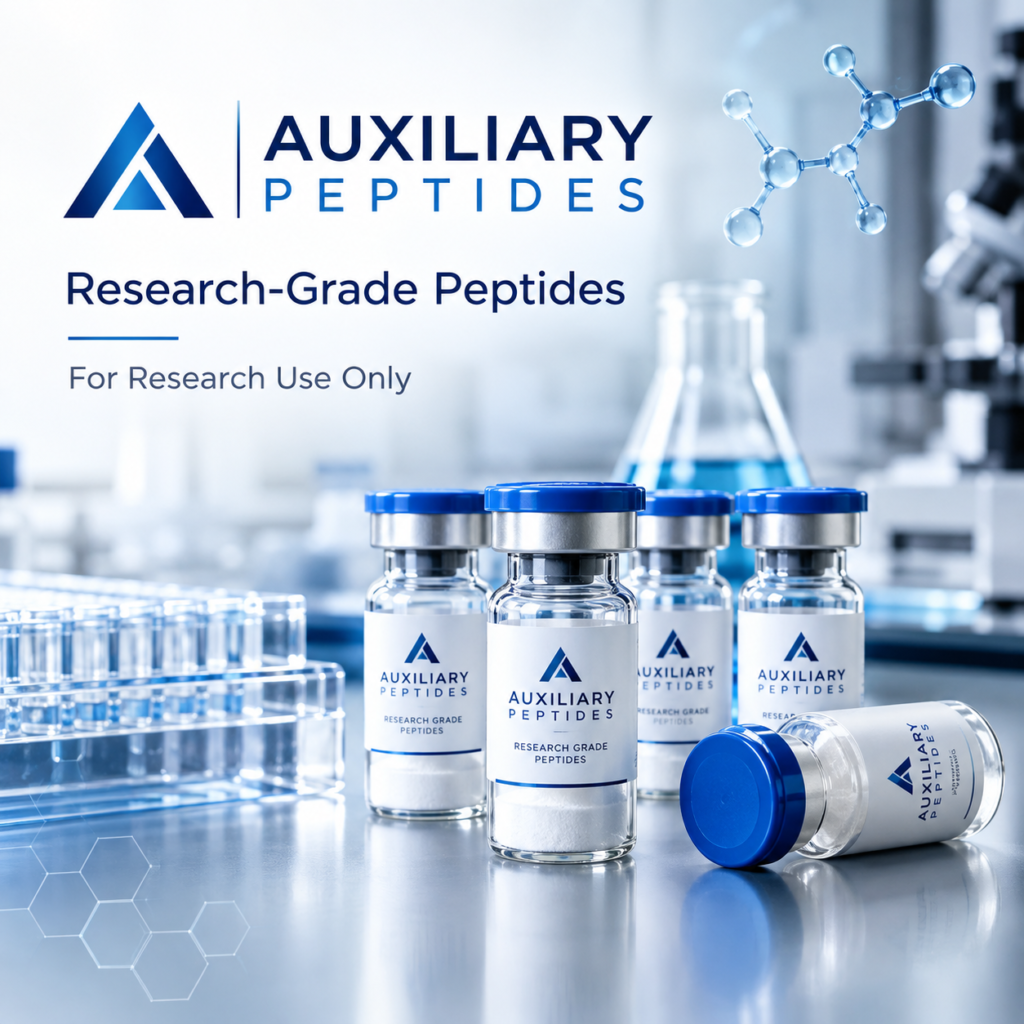
If you have spent any time in a laboratory setting, scrolling through scientific forums, or reading about modern biochemical research, you have likely encountered the term peptides. These short chains of amino acids have become foundational tools in life science research. But within this growing field, a more specific category has started to gain serious attention: auxiliary peptides. For researchers who demand consistency, purity, and reliable documentation, understanding what sets this category apart is essential. This article breaks down what auxiliary peptides are, why quality matters so much in peptide research, and how a domestic, research-focused supplier is changing the way scientists source their materials.
What Are Peptides, and Why Do They Matter in Research?
Before diving into the specifics, it helps to understand the basics. Peptides are short sequences of amino acids, typically containing anywhere from two to fifty residues. They act as signaling molecules, enzyme substrates, and structural components in biological systems. Because of their precision and versatility, peptides are used in a wide range of research applications, including:
-
Receptor binding studies
-
Cell signaling pathway analysis
-
Enzyme inhibition assays
-
Vaccine development research
-
Drug delivery and formulation studies
-
Structural biology and protein interaction research
Their small size, compared to full proteins, makes them easier to synthesize, modify, and study in controlled laboratory conditions. This is precisely why peptide research has expanded so rapidly over the past two decades.
Defining Auxiliary Peptides in Simple Terms
The term auxiliary peptides refers to peptides that support, complement, or enhance a primary research objective. Rather than being the main subject of study, they often serve a supporting role. Think of them as the behind-the-scenes tools that make an experiment possible. They might act as controls, blockers, linkers, or reference standards that help researchers validate their results.
In practical terms, auxiliary peptides are often used to:
-
Serve as negative or positive controls in experimental setups
-
Block non-specific binding sites in assay systems
-
Act as linkers or carriers in conjugate development
-
Provide reference standards for analytical validation
-
Support stability and solubility in formulation research
Because these peptides play such a critical supporting role, their quality directly influences the reliability of experimental outcomes. A contaminated or poorly synthesized control can ruin an entire dataset, which is why sourcing matters so much.
Why Research-Grade Quality Is Non-Negotiable
In scientific research, precision is everything. A peptide that is even slightly impure can produce misleading results, wasting time, funding, and valuable sample material. Research-grade peptides are manufactured under strict conditions to ensure high purity, typically 95% or higher, along with accurate sequence verification and reliable documentation.
Key quality indicators researchers should look for include:
-
High-performance liquid chromatography (HPLC) purity data
-
Mass spectrometry confirmation of molecular weight
-
Batch-specific certificates of analysis
-
Consistent reproducibility across lots
-
Proper storage and shipping conditions
When researchers actively prioritize these factors, they strengthen the integrity of their work. When they overlook them, they risk compromising months of effort.
The Growing Demand for Domestically Made Peptides
In recent years, supply chain disruptions and shipping delays have pushed many research teams to reconsider where they source their materials. Imported peptides can face customs delays, temperature fluctuations during transit, and inconsistent documentation. These issues can degrade peptide integrity before a sample even reaches the bench.
This is where domestic manufacturing offers a clear advantage. Peptides produced within the United States benefit from:
-
Shorter shipping times and reduced transit risk
-
Stricter regulatory oversight on production facilities
-
Faster communication with suppliers regarding specifications
-
Easier traceability and documentation for institutional compliance
For laboratories working under tight timelines, these benefits are not minor conveniences. They are operational necessities.
Inside a Research-Focused Peptide Supplier
Auxiliary Peptides has positioned itself as a dedicated supplier of research-grade peptides manufactured in the United States. The company focuses on serving serious scientists who require dependable materials and transparent documentation. Its platform is built around a straightforward registration process, where users confirm they are 21 or older and acknowledge that all products are intended strictly for research use.
This research-only positioning is important. It signals that the supplier understands the scientific community it serves and respects the boundaries of legitimate laboratory work. The company emphasizes:
-
U.S.-based manufacturing standards
-
Research-use-only compliance
-
A streamlined account creation and ordering experience
-
A clear commitment to serving professional researchers
For scientists who need to act quickly and source reliable materials, working with a focused supplier reduces friction and guesswork.
How to Choose the Right Peptide Supplier
Not all peptide vendors operate with the same standards. When evaluating a supplier, researchers should ask pointed questions and expect clear answers. Here are some practical guidelines:
-
Request batch-specific analytical data before purchasing
-
Confirm the purity level and the method used to verify it
-
Ask about storage recommendations and shipping protocols
-
Verify that the supplier clearly labels products for research use only
-
Check whether manufacturing occurs domestically or overseas
-
Review the terms of use and privacy policies carefully
Taking these steps helps researchers act responsibly and protect the validity of their experiments.
Common Applications in Modern Laboratories
Auxiliary peptides continue to find new roles across disciplines. In immunology, they support assay development. In neuroscience, they assist with receptor studies. In analytical chemistry, they function as calibration standards. Their versatility makes them valuable across diverse research environments.
Some emerging areas of interest include:
-
Proteomics and biomarker discovery
-
Peptide-based diagnostic development
-
Nanotechnology and material science research
-
Structural and computational biology
As research techniques become more sophisticated, the demand for high-quality supporting peptides will only continue to grow.
Final Thoughts on Sourcing Smart
Understanding auxiliary peptides is about more than memorizing a definition. It is about recognizing the role that quality, sourcing, and documentation play in producing trustworthy scientific results. Researchers who take the time to evaluate their suppliers carefully position themselves for better outcomes and more reproducible data.
For laboratories seeking research-grade peptides made in the United States, working with a specialized supplier can make a meaningful difference. By choosing partners who prioritize purity, transparency, and compliance, scientists can focus on what matters most: advancing knowledge through rigorous, reliable research.
Disclaimer: This content is for informational purposes only. All peptides referenced are intended for research use only and are not for human or veterinary consumption.