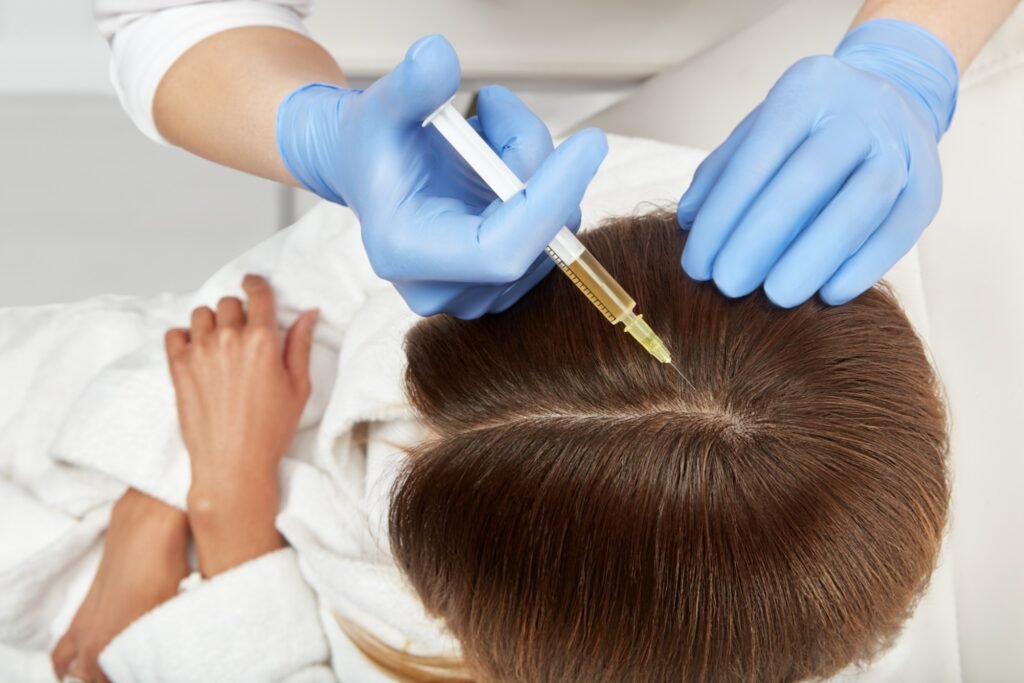
Hair thinning in women can develop for many reasons, including hereditary tendencies, hormonal changes, traction from hairstyles, nutritional concerns, or certain scalp conditions. Because the underlying cause and pattern can vary considerably, restoration should not be approached as a one-size-fits-all procedure. A careful assessment can help determine whether transplantation is appropriate and which technique may suit the patient’s donor supply, scalp condition, and aesthetic goals.
A Female Hair Transplant in Dubai can involve more than simply placing follicles into areas of reduced density. Female patients may be concerned about widening part lines, thinning around the temples, recession along the frontal region, or an overall reduction in volume. The existing hair pattern, follicular characteristics, and future progression of thinning all need to be considered when developing a treatment plan.
Dubai offers access to clinics and hospitals providing hair restoration consultations and surgical services. However, the appropriate choice depends on individual circumstances rather than a generic treatment formula. A qualified specialist should first investigate the likely cause of hair loss and assess whether transplantation is medically suitable.
Personalized planning can also help preserve a natural appearance. Rather than creating an overly dense or artificial hairline, the clinician may focus on strategic placement that works with existing strands. Donor hair availability, follicle characteristics, treatment goals, and expected recovery can all influence the final approach.
Tajmeels Clinic
Tajmeels Clinic provides aesthetic and cosmetic treatment services in Dubai, with hair restoration among the areas patients may explore. For women considering transplantation, an initial consultation can help clarify whether the pattern of thinning is suitable for surgical restoration.
A personalized plan may consider the frontal hairline, areas around the parting, and the amount of available donor hair. This type of assessment is particularly relevant for women who still have considerable existing hair but have noticed reduced density.
Enfield Royal Clinic
Enfield Royal Clinic approaches hair restoration with attention to individual characteristics rather than relying on a uniform treatment pattern. During assessment for a Female Hair Transplant in Dubai, factors such as donor-area quality, thinning distribution, hair characteristics, and the desired appearance can help guide treatment planning.
For female patients, preserving harmony between transplanted follicles and existing strands is an important consideration. The treatment plan may therefore focus on strategic placement and appropriate density instead of simply maximizing the number of grafts.
Consultation also provides an opportunity to discuss expectations, potential recovery, graft requirements, and whether transplantation is appropriate for the particular cause of hair loss. This individualized approach can help patients make a more informed decision before proceeding.
Emirates Hospital
Emirates Hospital provides a broad range of medical services and may be considered by patients seeking specialist evaluation for hair and scalp concerns. Women experiencing progressive thinning may benefit from understanding the possible underlying causes before considering a surgical option.
For suitable candidates, a hair restoration discussion can address donor availability, the areas requiring coverage, and the relationship between existing and transplanted follicles. Medical assessment is particularly useful when hair loss may be associated with hormonal or dermatological factors.
Cocoona Clinic
Cocoona Clinic offers cosmetic and aesthetic services, making it another option for individuals researching hair restoration in Dubai. Female patients can discuss concerns such as a receding frontal area, reduced density, or visible scalp around the part line.
The suitability of transplantation depends heavily on the condition of the donor area and the stability of hair loss. A consultation can help establish realistic objectives and determine whether surgical restoration should form part of a broader hair management plan.
Al Zahra Hospital Dubai
Al Zahra Hospital Dubai provides multidisciplinary healthcare services, which can be relevant when women want a broader medical assessment alongside discussions about hair restoration.
Female hair loss does not always have a single cause. A patient may require evaluation of scalp health, medical history, hormonal factors, or other contributing issues before transplantation is considered. This wider perspective can be valuable when determining whether surgery is appropriate and when it should be performed.
King’s College Hospital London Dubai
King’s College Hospital London Dubai provides specialist healthcare services and may be considered by patients seeking medical evaluation in Dubai. Women researching hair transplantation can benefit from understanding why their thinning has developed before selecting a surgical solution.
For those who are suitable candidates, treatment planning generally needs to account for the donor area, existing density, desired coverage, and long-term expectations. A medically informed assessment can help distinguish between situations where transplantation may be useful and those where another approach may be more appropriate.
Dynamic Life Clinic
Dynamic Life Clinic is another Dubai option for patients exploring aesthetic and hair restoration services. Women with localized thinning or changes in hair density may discuss their concerns during an individualized consultation.
The treatment strategy can depend on whether the priority is improving the frontal frame, adding density to a visible parting, or addressing another specific area. Understanding the limitations of available donor follicles is also important when setting realistic expectations.
Dubai Cosmetic Surgery Clinic
Dubai Cosmetic Surgery Clinic provides cosmetic treatment services and can be considered by women researching surgical approaches to hair restoration. A consultation may focus on the pattern of thinning, donor-area characteristics, and the patient’s preferred aesthetic outcome.
For women with existing hair surrounding the treatment area, placement needs to be carefully planned so that transplanted follicles integrate naturally with the surrounding strands. The objective is generally to create a balanced appearance rather than simply increase the number of follicles in one region.
How to Choose the Right Clinic for Female Hair Transplant in Dubai
Experience and Qualifications
Look for clinicians with appropriate medical qualifications and specific experience in hair restoration. Female cases can require different planning considerations because diffuse thinning and existing hair may make graft placement more complex.
Technology and Techniques
Ask which transplantation technique is recommended and why. The appropriate method can depend on donor characteristics, the extent of thinning, follicular anatomy, and the areas requiring restoration. Technology should support clinical judgment rather than replace it.
Safety Standards
A reputable facility should maintain appropriate infection-control procedures, sterile equipment, qualified medical personnel, and clear protocols for managing potential complications. Patients should also understand what medical support is available during recovery.
Consultation Process
A detailed consultation should involve examination of the scalp and donor area, discussion of medical history, assessment of the likely cause of hair loss, and an explanation of realistic treatment possibilities. Patients should be encouraged to ask questions rather than feel pressured into immediate treatment.
Patient Experience
Clear communication before and after treatment can make the process easier to navigate. Patients should receive understandable information about preparation, procedure time, recovery, temporary shedding, follow-up appointments, and aftercare.
Expected Results
Hair transplantation is not an instant solution. Newly transplanted follicles typically require time to progress through the growth cycle. Results can vary according to donor quality, individual healing, existing hair density, and the underlying cause of thinning. A responsible consultation should therefore discuss achievable outcomes rather than promise a particular level of density.
Frequently Asked Questions
Is female hair transplantation suitable for every woman?
No. Suitability depends on the cause and pattern of hair loss, donor-area availability, scalp health, and overall medical circumstances. Some patients may need further evaluation or non-surgical management before transplantation is considered.
Can a transplant improve a widening part line?
It can potentially improve density in selected cases. However, the clinician must first determine whether sufficient healthy donor follicles are available and whether the underlying hair loss is stable enough for transplantation.
Does female hair transplantation look natural?
A natural appearance depends on factors such as hairline design, follicle selection, graft placement, density planning, and how transplanted follicles blend with existing strands. Individual anatomy and the quality of the donor area also influence the result.
How long does recovery usually take?
Recovery varies between patients and according to the technique used. Mild redness, swelling, sensitivity, or temporary changes in the treated area may occur. The clinic should provide individualized aftercare instructions and explain when normal activities can be resumed.
When can results from a female hair transplant be seen?
Hair growth develops gradually rather than immediately. Transplanted follicles need time to establish a new growth cycle, so visible improvement generally develops over several months. The final outcome can take longer and varies from person to person.
Conclusion
Personalization is central to female hair restoration because women can experience different patterns and causes of thinning. A thorough assessment of the scalp, donor area, existing density, hair characteristics, and long-term goals can help determine whether transplantation is appropriate and how it should be planned.
For anyone considering a Female Hair Transplant, comparing qualifications, treatment methods, safety practices, consultation standards, aftercare, and realistic expectations can provide a stronger basis for making an informed choice. The most suitable approach should be based on individual clinical needs rather than a standard template, with treatment planning focused on achieving a natural and proportionate appearance.