Construction, landscaping, renovation, and site-clearance projects often involve two major requirements: removing unwanted materials and bringing in suitable aggregates. Managing both efficiently can save time, reduce labour requirements, and help keep a project organised.
Grab Hire and Aggregates services provide a practical solution by combining waste collection with the delivery of materials needed for construction and groundwork.
Whether you are preparing a building site, creating a driveway, installing drainage, or clearing garden waste, understanding how grab hire and aggregates work can help you choose the right service for your project.
What Is Grab Hire?
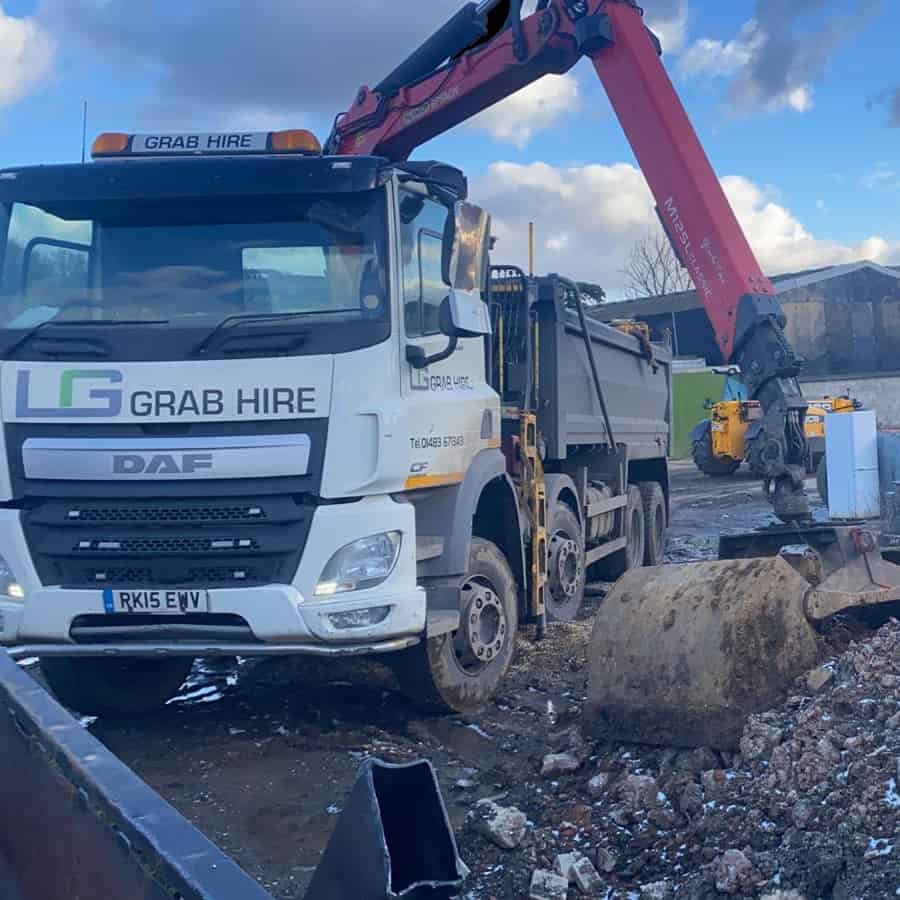
Grab hire is a waste removal service that uses a grab lorry fitted with a hydraulic arm. The arm can reach materials from areas that may be difficult for standard vehicles to access. Instead of requiring workers to manually load waste into a skip, the hydraulic grab can collect and load many types of materials directly onto the vehicle.
Common materials collected through grab hire include soil, rubble, concrete, bricks, hardcore, clay, and general construction waste. Once loaded, the material can be transported to an appropriate recycling or disposal facility.
One of the main advantages is flexibility. Grab lorries can often collect waste from construction sites, driveways, gardens, and other locations where access is suitable.
Understanding Aggregates
Aggregates are granular materials widely used in construction and landscaping. They can include crushed stone, gravel, sand, recycled concrete, and other processed materials. Different aggregates have different properties, making them suitable for specific applications.
For example, crushed stone may be used for foundations or sub-bases, while decorative gravel can be used for paths, driveways, and landscaping. Recycled aggregates can also provide a practical option for certain groundwork applications.
Choosing the correct aggregate depends on the intended use, required strength, drainage needs, and site conditions.
Why Combine Waste Removal With Aggregate Delivery?
Using one service provider for waste removal and aggregate delivery can simplify project logistics. A construction project may generate unwanted soil and rubble while simultaneously requiring new material for foundations, paths, or other groundwork.
With Grab Hire and Aggregates, these requirements can potentially be coordinated more efficiently. A grab lorry can remove unwanted materials while aggregate supplies are arranged for delivery according to the project’s needs.
This approach may reduce the number of separate arrangements required and help improve site organisation.
Common Uses for Grab Hire
Grab hire can be useful across many types of projects. Building contractors may use grab lorries for clearing demolition waste, excavated soil, and construction debris. Landscapers can use them when removing earth, old paving, garden waste, and other unwanted materials.
Homeowners carrying out extensions, driveway improvements, garden renovations, or landscaping projects may also benefit from grab hire.
Because the vehicle can collect significant quantities of material in one visit, it can be particularly useful when a project produces more waste than can easily be managed with smaller vehicles.
Types of Aggregates for Construction
Different projects require different aggregate specifications. MOT Type 1, for example, is commonly used as a sub-base material for roads, driveways, paths, and other areas that require a stable foundation.
Crushed concrete and recycled aggregates can also be used for suitable groundwork applications. Gravel may be selected for drainage, driveways, or decorative landscaping, while sand can be required for certain building and paving applications.
Before ordering, it is important to understand the project’s technical requirements. The wrong material may not provide the required stability, drainage, or performance.
Planning the Quantity You Need
Correct quantity calculations are important when ordering aggregates. Buying too little can cause delays, while ordering too much can increase unnecessary costs and leave excess material on the site.
The required quantity generally depends on the area’s length, width, and desired depth. Contractors or experienced suppliers can often help calculate approximate quantities based on project measurements.
It is also worth considering compaction. Some aggregates become more compact once laid and compressed, meaning the amount ordered may need to account for the final required depth.
Access and Site Preparation
Before arranging a grab lorry, check whether the vehicle can safely access the collection or delivery location. Grab lorries are large vehicles, and their operation requires adequate space.
Overhead cables, narrow entrances, parked vehicles, low branches, walls, and other obstacles can affect access. Providing clear information about the site in advance allows the supplier to determine whether the vehicle is suitable.
For aggregate deliveries, consider where the material will be tipped. A convenient tipping location can reduce additional handling and make the project more efficient.
Environmental Benefits of Responsible Waste Management
Responsible construction waste management can help reduce the amount of material sent directly to landfill. Many construction materials, including certain types of concrete, brick, soil, and hardcore, may be suitable for recycling or processing.
Recycled aggregates can subsequently be used in appropriate construction and groundwork projects. This creates opportunities to reuse materials rather than relying entirely on newly quarried resources.
When choosing a provider, ask about how collected materials are handled and whether suitable waste is sent for recycling.
Cost Considerations
The cost of grab hire and aggregate delivery can depend on several factors. These may include the quantity of waste, type of material, distance travelled, site accessibility, disposal requirements, and the amount and type of aggregate ordered.
Obtaining a clear quotation before work begins can help with budgeting. Make sure the quotation explains what is included, such as loading, transportation, disposal, and aggregate delivery.
Comparing services based on the overall project requirements rather than price alone can also help avoid unexpected costs.
Choosing the Right Service Provider
When selecting a supplier, consider experience, vehicle suitability, waste-handling practices, aggregate availability, delivery options, and customer service. A reliable provider should be able to explain the available materials and help determine whether the selected vehicle is appropriate for the site.
It is also useful to provide accurate information about the type and quantity of waste involved. This helps the supplier prepare the appropriate vehicle and reduces the risk of delays.
How Grab Hire and Aggregates Can Support a Project
For projects involving excavation, construction, demolition, landscaping, or groundwork, Grab Hire and Aggregates can address two important logistical requirements. Waste can be removed from the site while essential materials are supplied for the next stage of work.
Coordinating these services can make site management easier, particularly when a project has limited space for storing waste or construction materials. Good planning remains essential, including checking quantities, access conditions, material specifications, and delivery schedules.
About mljgrabhire
mljgrabhire provides grab hire and material solutions for projects requiring efficient waste removal and aggregate supplies. Working with a specialist provider can help customers organise site clearance, transportation, and material delivery according to their project requirements.
Whether the work involves construction, landscaping, excavation, or general site preparation, mljgrabhire can be considered when planning practical material and waste-management arrangements.
Conclusion
Understanding Grab Hire and Aggregates can make construction, landscaping, and site-clearance projects easier to organise. Grab hire provides an efficient way to collect and transport unwanted materials, while aggregates supply essential materials for foundations, driveways, drainage, paths, and other groundwork.
By selecting suitable materials, calculating quantities carefully, checking site access, and working with an experienced supplier, you can improve project planning and reduce unnecessary delays. Responsible waste handling and appropriate aggregate selection can also support more efficient and sustainable construction practices.