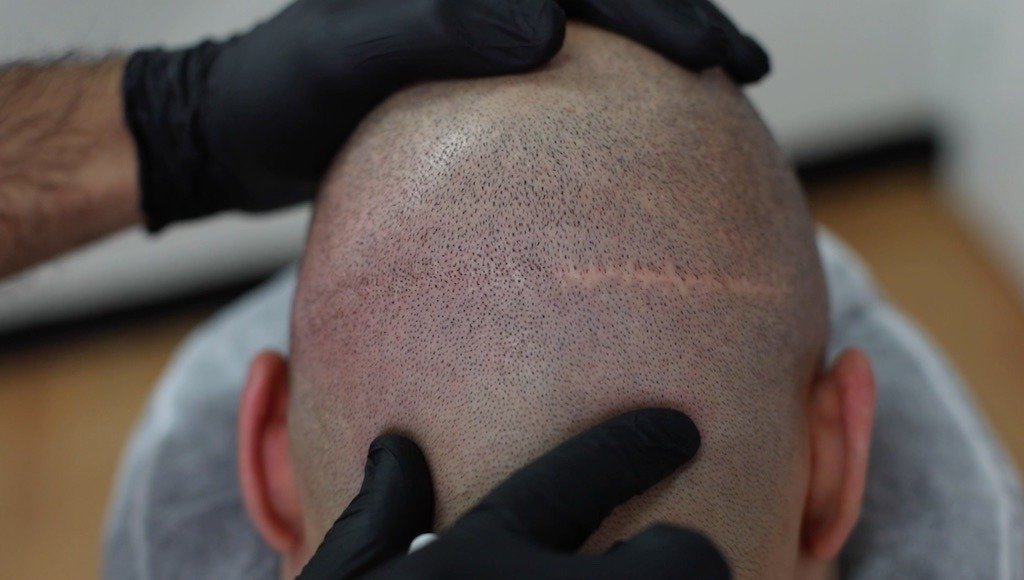
Scalp micropigmentation has become a practical cosmetic option for people who want to create the appearance of fuller hair without undergoing a surgical restoration procedure. By placing carefully selected pigment into the scalp, the technique can replicate the visual effect of closely shaved follicles, improve the appearance of thinning areas, and help define a receding hairline. The overall objective is not simply to add pigment but to create a balanced appearance that works with the individual’s facial features, existing hair, and preferred hairstyle.
Choosing Scalp Micropigmentation Dubai services therefore involves more than comparing treatment prices. The quality of the consultation, pigment selection, hairline planning, practitioner experience, hygiene practices, and aftercare guidance can all influence the final appearance. A refined result should look subtle rather than overly dark or artificial.
Dubai has a wide range of medical and aesthetic providers offering hair and scalp-related procedures. Clinics may differ in their approach, consultation process, technology, and treatment philosophy. Understanding these differences can help prospective patients ask more informed questions before committing to treatment.
What Creates a Refined Scalp Micropigmentation Result?
A convincing appearance depends heavily on proportion and detail. The practitioner needs to consider the existing hair density, degree of thinning, scalp visibility, skin tone, facial structure, and the shape of the desired hairline.
Hairline design is particularly important. A perfectly straight or excessively low hairline may appear unnatural, while a softer irregular pattern can better imitate the appearance of real follicles. Pigment density also needs to be controlled so that treated areas blend with surrounding hair.
Colour selection matters as well. Pigments should complement the patient’s existing hair and skin characteristics rather than simply matching the darkest possible shade. During consultation, practitioners can assess these factors and determine whether scalp micropigmentation is appropriate for the individual’s expectations.
Enfield Royal Clinic
Enfield Royal Clinic provides aesthetic and hair-related treatment options in Dubai, making it one of the clinics prospective patients may consider when exploring scalp appearance enhancement. Consultation is an important part of the process because the practitioner can assess scalp condition, existing density, hairline characteristics, and the patient’s desired visual outcome.
For individuals considering Scalp Micropigmentation Dubai, treatment planning can focus on creating a natural transition between pigmented areas and existing hair. Particular attention to hairline shape, pigment tone, dot placement, and density can help produce a more balanced appearance.
Patients can also use the consultation to discuss their expectations, maintenance requirements, suitability, and aftercare. This allows the treatment plan to be considered in relation to the patient’s individual scalp characteristics rather than relying on a standard design.
Tajmeels Clinic
Tajmeels Clinic is another Dubai-based provider that patients may explore when researching cosmetic and aesthetic solutions. For scalp micropigmentation, prospective patients should discuss their desired level of density and the visual effect they want to achieve during the initial consultation.
A detailed assessment can help determine how pigmentation could be incorporated around existing hair and areas of reduced density. Patients should also ask about pigment selection, treatment stages, healing, and whether touch-up sessions may be required over time.
When reviewing providers, looking carefully at treatment methodology and examples of relevant work can provide useful context before making a decision.
Dynamic Life Clinic
Dynamic Life Clinic offers a range of aesthetic and medical services in Dubai and can be considered by people researching options for improving the appearance of the scalp.
A consultation for scalp micropigmentation should involve an assessment of the patient’s current hair pattern and scalp characteristics. The practitioner may need to consider whether the objective is to create a closely shaved appearance, reduce the visual contrast caused by thinning, or improve the definition of a particular area.
Patients should also discuss realistic expectations. Scalp micropigmentation changes the visual appearance of the scalp rather than producing new biological hair growth, so understanding its purpose is essential before treatment.
Cocoona Clinic
Cocoona Clinic is another established name in Dubai’s cosmetic healthcare sector. Patients interested in scalp pigmentation can use an initial consultation to understand whether the technique fits their aesthetic objectives.
A suitable plan may take into account hair colour, skin tone, existing follicles, areas of thinning, and the desired hairline shape. The practitioner’s approach to pigment placement is particularly relevant because individual impressions need to be sufficiently fine and evenly distributed to resemble natural follicular points.
Questions about treatment preparation, recovery, maintenance, and potential changes in pigment appearance should be addressed before proceeding.
Dubai Cosmetic Surgery Clinic
Dubai Cosmetic Surgery Clinic is among the providers patients may encounter while researching cosmetic procedures in the city. For anyone considering scalp micropigmentation, the consultation should be an opportunity to understand how the proposed treatment would complement the patient’s existing appearance.
Patients can ask how the hairline would be designed, how pigment shades are selected, and how treatment areas are expected to blend with natural hair. Discussing previous relevant cases may also help patients understand the type of aesthetic outcome that can realistically be pursued.
Because scalp pigmentation is highly visual, attention to detail is important throughout the planning process.
Emirates Hospital
Emirates Hospital provides a broad healthcare environment in Dubai, and patients may consider its available medical and aesthetic services when researching options related to hair and scalp concerns.
Those considering cosmetic scalp procedures should first establish whether the specific treatment is offered by an appropriate department or practitioner and whether an individual assessment is available. Medical history, scalp condition, skin sensitivity, and previous procedures can be relevant when determining suitability.
A structured consultation can also help distinguish cosmetic camouflage from treatments designed to address underlying hair loss.
Al Zahra Hospital Dubai
Al Zahra Hospital Dubai is another healthcare provider that patients may investigate when exploring aesthetic and dermatological services. For scalp micropigmentation, a professional assessment can help determine whether the technique matches the patient’s expectations and scalp characteristics.
Individuals should discuss the intended appearance, pigment compatibility, hairline design, and aftercare requirements before treatment. If active scalp conditions or significant hair-loss concerns are present, these should also be raised during consultation.
Understanding the difference between visual enhancement and treatments that target hair growth can help patients select an appropriate approach.
King’s College Hospital London Dubai
King’s College Hospital London Dubai provides specialist healthcare services in Dubai, and prospective patients can explore its relevant dermatology, aesthetic, or hair-related offerings where available.
When considering scalp micropigmentation, patients should focus on the qualifications and experience of the practitioner performing the procedure, as well as the consultation and follow-up process. A thorough evaluation can help identify factors that may affect pigment application and the eventual appearance.
Patients should also clarify whether the service is appropriate for their particular degree of thinning or whether another hair restoration approach may be more suitable.
How to Choose the Right Clinic for Scalp Micropigmentation Dubai
Selecting a provider should begin with practitioner experience. Ask who will actually perform the procedure, what training they have received, and how frequently they perform scalp pigmentation treatments.
Technology and technique are also worth discussing. Precision equipment, appropriate pigment formulation, controlled application, and careful hairline design all contribute to the overall process. However, equipment alone does not determine the quality of an outcome; practitioner technique and planning remain important.
Safety standards should be another consideration. The clinic should follow appropriate hygiene and infection-control procedures, use suitable equipment, and provide clear instructions concerning treatment preparation and aftercare.
The consultation process can reveal how carefully a clinic approaches individual cases. A useful consultation should cover medical and scalp history, expectations, pigment selection, treatment areas, potential limitations, and maintenance.
Patient experience extends beyond the procedure itself. Clear communication, realistic guidance, follow-up arrangements, and accessible aftercare information can make the overall process easier to manage.
Finally, expectations should remain realistic. Scalp micropigmentation can create the visual impression of greater density or closely cropped follicles, but it does not stimulate new hair growth. Results can also vary according to skin characteristics, existing hair, pigment response, practitioner technique, and aftercare.
Frequently Asked Questions
Is scalp micropigmentation suitable for people with thinning hair?
It can be suitable for some individuals with thinning hair because pigmentation may reduce the visual contrast between the scalp and existing hair. Suitability depends on the pattern and extent of thinning and should be assessed during consultation.
Does scalp micropigmentation create real hair growth?
No. The procedure is a cosmetic pigmentation technique. It creates the appearance of follicles or increased visual density but does not generate new hair follicles.
How is the hairline designed?
Hairline design is generally based on factors such as facial proportions, age, existing hair pattern, and the patient’s preferred appearance. A natural-looking design usually avoids an excessively uniform or sharply artificial outline.
Can scalp micropigmentation be combined with hair restoration?
In some cases, pigmentation may be considered alongside other hair restoration approaches. The appropriate combination depends on the patient’s hair loss pattern, donor availability, scalp condition, and treatment objectives.
How long does scalp micropigmentation last?
Longevity varies between individuals. Factors such as skin type, sun exposure, lifestyle, pigment characteristics, and aftercare can influence how the pigmentation changes over time. A practitioner should explain maintenance and possible touch-up requirements during consultation.
Conclusion
Creating a refined scalp appearance requires careful planning rather than simply applying pigment to areas where hair is missing. Hairline proportions, follicle-style impressions, colour selection, density, scalp characteristics, and the transition between treated and untreated areas all contribute to the final visual effect. For anyone researching Scalp Micropigmentation, comparing practitioner experience, consultation quality, safety practices, treatment techniques, and aftercare can provide a more informed basis for choosing a provider. A personalised assessment remains the most appropriate starting point for determining whether the procedure aligns with an individual’s appearance, expectations, and long-term hair restoration goals.