Improving Reagent Access, Repetitive Dispensing and Everyday Liquid-Handling Efficiency
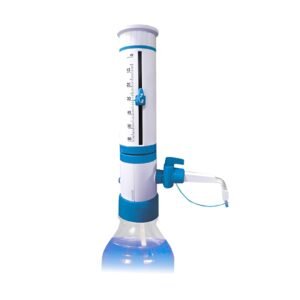
Efficient laboratory work often depends on how quickly and consistently researchers can access frequently used liquids. Bottle Top Dispensers provide a convenient way to dispense measured quantities directly from compatible reagent bottles, reducing the need for repeated pouring and intermediate transfer steps. They are particularly useful in analytical, chemical, pharmaceutical and quality-control laboratories where the same reagent may be required many times during a working session.
By keeping the primary reagent container in position and controlling delivery through a dedicated dispensing mechanism, bottle top dispensers can help create cleaner, more organised workflows while supporting consistent liquid handling.
What Makes Bottle Top Dispensers Practical?
Traditional liquid transfer often requires a researcher to lift a bottle, pour a quantity into another vessel and then measure or distribute the liquid. When this process is repeated many times, it can become inefficient and may increase handling demands.
A bottle top dispenser is mounted directly onto a compatible reagent bottle. The device draws liquid from the container and delivers a selected volume through its dispensing outlet.
This setup can be useful for routine tasks such as:
- Preparing multiple solutions
- Adding reagents to laboratory vessels
- Dispensing solvents during sample preparation
- Supporting repetitive analytical procedures
- Delivering consistent liquid portions
The main advantage is workflow control. Researchers can access the reagent without repeatedly removing it from its main container.
Why Does Repetitive Dispensing Need Consistency?
Many laboratory procedures involve preparing several samples under similar conditions. If reagent quantities vary significantly between samples, the final results may also vary.
Controlled dispensing helps reduce unnecessary differences during repeated preparation steps.
Consistency is particularly important when laboratories are:
- Preparing batches of samples
- Carrying out routine quality checks
- Adding the same reagent to multiple vessels
- Creating comparable experimental conditions
The dispenser must still be selected and operated according to the level of accuracy required by the procedure. Routine delivery and high-precision measurement are not always the same task, so equipment should match the method.
How Do Automatic Pipettes Fit Into the Workflow?
Bottle-mounted dispensers are well suited to repeated delivery from larger reagent containers, but smaller or more precise transfers may require another approach.
Automatic Pipettes can support liquid-handling procedures where controlled operation and repeatable dispensing are required.
The choice between a bottle top dispenser and an automatic pipette depends on factors such as volume range, frequency of use and destination vessel.
A laboratory might use a bottle top dispenser to distribute a reagent during bulk preparation and then use a more specialised pipetting device during subsequent sample processing.
Using different tools according to the stage of the procedure helps create an efficient workflow rather than expecting one instrument to perform every transfer.
Why Are Reagent Reservoirs Useful in Liquid Handling?
Some laboratory procedures require liquids to be presented in an accessible format for repeated pipetting.
Reagent Reservoirs provide containers designed to hold reagents temporarily during liquid-handling operations.
They can be particularly useful when one solution needs to be distributed across several samples or reaction vessels.
A bottle top dispenser may first be used to transfer a controlled amount of reagent from the original bottle into a reservoir. Pipetting equipment can then distribute smaller portions as required.
This combination can reduce repeated bottle handling while creating a practical working volume for downstream procedures.
How Do Solvent Pumps Differ From Bottle Top Dispensers?
Not every liquid needs to be handled through the same dispensing system.
Laboratories that work with larger quantities of solvents may use Solvent Pumps when the transfer requirement differs from routine measured dispensing.
Bottle top dispensers are generally associated with controlled delivery directly from laboratory reagent bottles. Solvent pumps may be more suitable where the primary objective is transferring liquid from a larger container or supplying solvent during broader laboratory operations.
Chemical compatibility remains essential in both cases. The materials contacting the liquid should be appropriate for the solvent or reagent being handled.
Selecting equipment according to both chemical properties and transfer purpose helps reduce unnecessary risks and improves workflow efficiency.
Chemical Compatibility Should Guide Selection
Bottle top dispensers may be exposed to many types of laboratory chemicals, including acids, alkaline solutions, solvents and prepared reagents.
The internal components of a dispenser can include seals, valves, tubes and other wetted parts. Their compatibility with the selected chemical should therefore be checked before use.
An unsuitable material may degrade, swell or lose performance when exposed to certain substances.
Laboratories should consider:
- Reagent identity
- Concentration
- Chemical aggressiveness
- Required dispensing volume
- Frequency of use
- Cleaning requirements
Manufacturer compatibility guidance should be followed when determining whether a dispenser is suitable for a particular chemical.
Why Does Good Cleaning Matter?
Even when a dispenser is dedicated to routine use, residues can accumulate over time.
If the same device is used with different liquids, inadequate cleaning may also create cross-contamination between reagents.
A suitable cleaning routine should reflect the chemical being dispensed and the dispenser materials. Laboratories should follow the applicable operating instructions rather than relying on one universal cleaning procedure.
Regular inspection is also valuable. Tubing, seals and dispensing outlets should remain in suitable condition for continued use.
How Does Sampling Connect With Liquid Dispensing?
Laboratory workflows often begin before reagents reach the analytical bench. Researchers may first need to collect representative liquids or other materials for testing.
Sampling includes equipment and approaches used to obtain material for subsequent laboratory analysis.
Once samples have been collected, bottle top dispensers can support later preparation stages by delivering reagents required for dilution, extraction, adjustment or other treatment steps.
This connection shows why liquid handling should be considered as an integrated process. Sample collection, reagent delivery and final analysis all depend on suitable equipment and consistent technique.
Reducing Unnecessary Reagent Handling
One practical benefit of a bottle top dispenser is that the main reagent bottle does not need to be lifted for every transfer.
This can be especially useful when working with frequently used laboratory liquids or larger containers.
Reducing repeated manual pouring may also help keep work areas more organised and limit accidental splashing. However, good laboratory safety practices remain essential.
Users should ensure that receiving vessels are stable, the outlet is positioned correctly and personal protective measures match the chemical being handled.
Choosing the Right Bottle Top Dispenser
A suitable dispenser should match both the reagent and the working procedure.
Key considerations include the required volume range, bottle connection, chemical resistance, operating mechanism and expected frequency of use.
Researchers should also decide whether the dispenser will remain dedicated to one reagent or needs to support different liquids over time.
Selecting equipment around actual laboratory requirements can improve usability while avoiding unnecessary complexity.
Building a More Efficient Liquid-Handling System
Bottle top dispensers are valuable because they simplify one of the most repetitive activities in laboratory work: moving reagents from storage containers into working vessels.
When integrated with automatic pipettes, reagent reservoirs, solvent pumps and suitable sampling equipment, they become part of a broader liquid-handling workflow designed around accuracy, organisation and efficiency.
Careful equipment selection, correct chemical compatibility and consistent operating procedures allow laboratories to manage frequent reagent dispensing with greater control while supporting dependable scientific and analytical work.