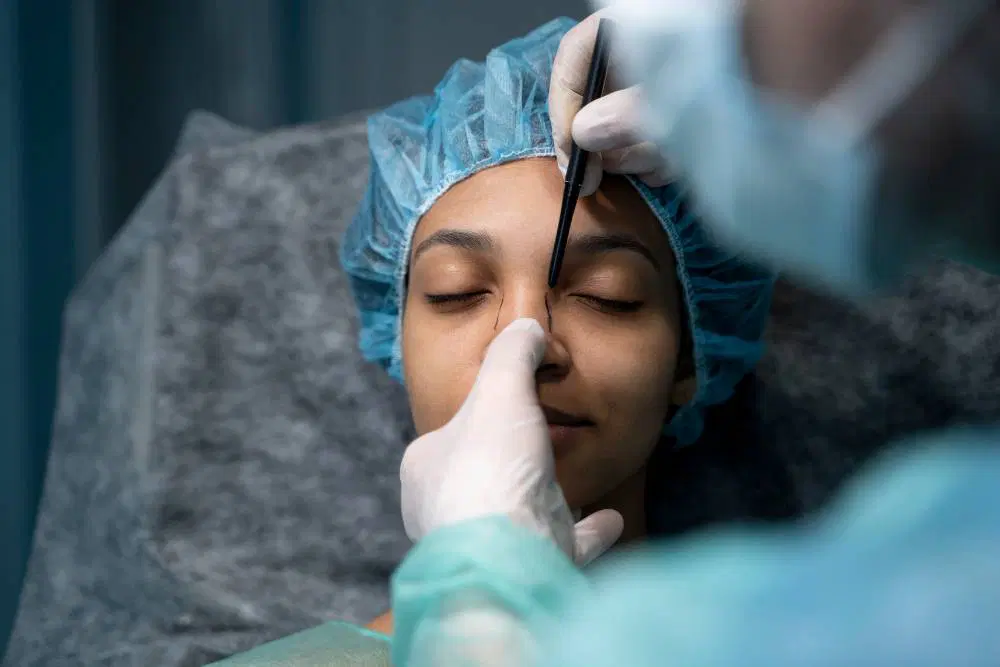
Facial trauma can affect the bones, jaws, teeth, and soft tissues that support daily activities and facial appearance. Oral and maxillary surgeons assess these injuries and determine suitable treatment based on their location and severity. Their care aims to restore facial alignment, jaw movement, bite, oral function, and natural facial form. Timely assessment and appropriate treatment also support healing and help patients gradually return to their normal daily activities.
What Types of Facial Injuries Require Specialist Treatment?
Facial trauma can affect several structures, depending on the location and force of the injury. Common injuries that require specialist assessment include:
- Jaw Fractures: These can affect bite alignment, chewing, and normal jaw movement.
- Cheekbone Fractures: These injuries can change facial contours and affect structures around the eye.
- Eye Socket Fractures: Trauma can involve the bones that form and support the eye socket.
- Dental Injuries: Trauma can affect teeth and their supporting bone.
- Soft Tissue Injuries: Cuts to the face, lips, or mouth may require careful repair.
Identifying each affected structure helps specialists select suitable treatment for function and appearance.
How Do Oral and Maxillary Surgeons Assess Facial Trauma?
Assessment starts with an examination of the face, mouth and jaws. Surgeons check facial shape, bite and jaw movement. They may assess facial sensation, eye movement and soft tissues. These checks provide important information about the location and extent of the injury.
Imaging can provide further details about facial bones and teeth. X-rays help assess certain dental and facial injuries. CT scans provide detailed images of facial bones and fracture patterns. Surgeons combine examination and imaging findings to guide treatment decisions.
How Are Facial Fractures Repaired?
Treatment depends on the fracture location, position, and surrounding structures. Surgeons can reposition displaced bones to restore anatomical alignment. Some fractures require small plates and screws. These devices keep the affected bones stable while they heal.
Accurate bone positioning also supports facial shape. Surgeons consider the relationship between the jaws, cheekbones, and nearby facial structures. This approach supports stable healing, normal facial contours, and everyday functions.
How Is Jaw Function Restored After Facial Trauma?
Restoring jaw function involves several related areas. Treatment planning commonly considers factors such as:
- Bite Alignment: Correct positioning helps the upper and lower teeth meet properly.
- Jaw Movement: Stable alignment supports comfortable opening, closing and movement.
- Chewing: Jaw stability and suitable bite alignment support effective chewing.
- Speech: Proper jaw and oral movement support clear speech.
- Sensation: Surgeons assess sensation when injuries involve areas near facial nerves.
These areas help specialists assess progress as normal jaw function returns during recovery.
How Is Facial Appearance Restored After an Injury?
Facial appearance depends on bone position and surrounding soft tissues. Surgeons restore displaced bones towards their normal anatomical position. Accurate alignment supports facial symmetry and contours around areas such as the jaw, cheeks, and eye sockets.
Soft tissue repair also supports facial appearance. Surgeons carefully repair wounds while considering surrounding structures and natural skin lines. Treating bone and soft tissue injuries together supports facial form throughout healing.
How Are Soft Tissue and Dental Injuries Treated?
Facial trauma can involve the skin, lips, gums, mouth, and teeth. Surgeons assess and clean wounds before repairing affected tissues. Careful closure supports healing and helps maintain the natural position of facial tissues.
Dental assessment identifies injured or displaced teeth and affected supporting bone. The care team can coordinate suitable dental treatment when required. This approach supports oral health, bite function, and healing.
What Does Recovery After Facial Trauma Treatment Involve?
Aftercare supports healing and the gradual return of facial and jaw function. Important parts of recovery include:
- Pain Management: Prescribed medicines can help maintain comfort during healing.
- Diet: Suitable foods can reduce pressure on healing facial structures.
- Oral Hygiene: Recommended cleaning practices support oral and wound care.
- Jaw Exercises: Prescribed exercises can support movement during suitable recovery stages.
- Follow-Up Care: Reviews allow specialists to monitor healing, bite, and facial function.
Following the recommended care plan supports healing and a gradual return to daily activities.
Why Is Specialist Care Important for Facial Trauma?
Oral and maxillary surgeons understand the close relationship between facial bones, jaws, teeth, and soft tissues. They consider bone alignment, bite, jaw movement, and facial form together when planning treatment.
Complex injuries can involve several facial structures. Surgeons may work with other medical and dental specialists when appropriate. Coordinated treatment helps address the different functional and appearance-related needs associated with facial trauma.
Conclusion
Facial trauma management combines careful assessment, appropriate treatment and planned recovery. Specialist care can restore bone alignment, jaw movement, oral function and facial form. Suitable aftercare and follow-up support healing and help patients return to everyday activities with restored facial function and appearance.