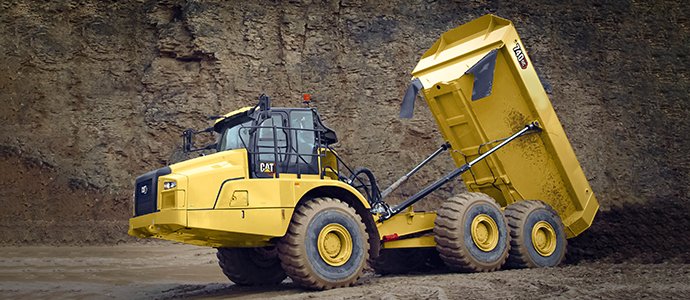
The mid-day heat in the UAE is punishing; the fine dust gets into everything, and you are running a tight schedule on a massive commercial project. Suddenly, a fully loaded dump truck reaches the drop-off zone, and the bed simply will not lift. The hydraulics have failed. In the fast-paced world of UAE construction and contracting, a stalled machine means instant delays, idle crews, and lost revenue. When your heavy equipment stops moving, your profit margin drops. Knowing how to identify and resolve these hydraulic system failures quickly is essential to keeping your operations running smoothly.
Ideal Site Uses & The Right Fleet Mix
A reliable, well-maintained fleet is the backbone of any successful project in Dubai, Abu Dhabi, or the wider Emirates. On any given day, your site is bustling with diverse equipment working together. You might have a wheel loader truck scooping heavy aggregates, a versatile forklift truck managing palletised materials in the staging area, and perhaps even specialised lifted trucks for specific rough-terrain access.
But the undisputed workhorse of heavy material transport remains the dump truck. For massive excavation tasks, quarry operations, or major infrastructure developments, a heavy-duty mining dump truck is essential. These machines are heavily relied upon across the UAE for:
- Moving thousands of tons of sand and aggregate for land reclamation projects.
- Transporting heavy demolition debris safely off-site to designated processing zones.
- Feeding continuous material streams for highway and bridge construction.
- Managing high-volume earthmoving in deep foundation excavations for skyscrapers.
When the hydraulic system on one of these core machines fails, it creates a bottleneck that slows down every other vehicle on the site.
How to Troubleshoot Common Hydraulic Failures
Hydraulic systems are powerful, but they operate under extreme stress—especially in the Middle East. Here is exactly how your maintenance and safety teams can troubleshoot the most common failures before they lead to extended downtime.
1. Low or Degraded Hydraulic Fluid
The most frequent reason a bed will not lift is a simple lack of hydraulic fluid. The entire system relies on fluid pressure to move heavy loads; without enough fluid, there is no pressure.
- The Symptom: The lifting action is incredibly slow, jerky, or the pump makes a loud whining noise when engaged.
- The Check: Inspect the fluid reservoir sight glass or dipstick. If it is below the manufacturer’s recommended level, you have found the immediate problem.
- The Fix: Top off the fluid with the exact grade recommended for high-temperature environments. More importantly, have your mechanics trace the lines to find out where the fluid went. A low tank almost always points to an active leak elsewhere in the system.
2. Contaminated Fluid (The UAE Sand Factor)
The harsh UAE environment is unforgiving on heavy machinery. Fine desert sand and dust inevitably find their way into industrial systems. If these abrasive particles enter the hydraulic lines, they act like liquid sandpaper, destroying internal pump components and valve seals.
- The Symptom: The pump sounds gritty, the lifting power drops unexpectedly even with a full tank, or the fluid looks cloudy and thick.
- The Check: Take a small sample of the hydraulic fluid. If it looks dark, sludgy, or has visible metallic flakes or sand particles, it is severely contaminated. Milky fluid indicates that water condensation has mixed with the oil.
- The Fix: Drain the entire system immediately. Flush the lines completely, replace all inline filters, and refill with fresh, high-quality hydraulic oil.
3. Worn or Blown O-Rings and Seals
Extreme summer temperatures in the Emirates put massive thermal stress on rubber seals and O-rings. Over time, the constant cycle of extreme heat and heavy pressure causes these rubber components to dry out, crack, and eventually blow out entirely.
- The Symptom: Visible oil drips around the hydraulic cylinders, control valves, or high-pressure hose connections. You might also notice the truck bed slowly lowering itself after being raised, unable to hold the weight.
- The Check: Visually inspect all connection points and the main hoist cylinder. Look for fresh, shiny oil spots or heavy, dark dirt buildup where leaking oil has attracted site dust.
- The Fix: Replace the damaged seals immediately. Do not attempt to use temporary sealants or patches. Clean the entire area thoroughly before opening the system to ensure no external dirt enters during the repair process.
4. Hydraulic Pump Failure
The hydraulic pump is the beating heart of the lifting mechanism. If it fails, the entire lifting process grinds to a complete halt, no matter how clean your fluid is.
- The Symptom: A severe lack of lifting power, extreme heat radiating from the pump casing, or loud, unnatural noises like heavy grinding or high-pitched squealing.
- The Check: Test the pressure output using a professional hydraulic gauge. If the pressure is significantly below the operational spec, the pump is failing to generate force.
- The Fix: Pump failure generally requires a complete rebuild or a full replacement. Always ensure the replacement pump matches the exact specifications of your specific truck model to handle the required load capacity.
5. Electrical Control and Solenoid Issues
Modern heavy machinery relies heavily on electrical switches, relays, and solenoids to control the physical flow of hydraulic fluid.
- The Symptom: The operator flips the toggle switch in the cab to raise the bed, and absolutely nothing happens. There is no pump noise, no engine bog down, and zero movement.
- The Check: Inspect the electrical fuses, the cab control switch, and the wiring harnesses leading to the hydraulic solenoids on the valve bank.
- The Fix: Replace any blown fuses or damaged wiring. If a solenoid is burnt out from electrical surges or heat exposure, it will need to be swapped out by a trained heavy equipment electrician.
The Value of Genuine Equipment Support
When your fleet goes down, relying on generic aftermarket parts and guesswork is a massive risk. You need guaranteed reliability to protect your project deadlines and your bottom line. That is exactly why top contractors across the Emirates trust genuine expertise.
Highlighting a commitment to quality, Al-Bahar is the exclusive Cat® dealer in the UAE, providing unmatched support for your heavy equipment. Whether you are managing a single machine or an extensive earthmoving fleet, our certified technicians understand exactly how the local climate impacts hydraulic systems. We provide genuine, high-quality replacement parts engineered specifically to withstand extreme heat, dust, and heavy daily loads. With rapid response field service teams and state-of-the-art diagnostic tools, Al-Bahar ensures your downtime is minimised, and your operations remain highly profitable. Do not risk your timeline on temporary fixes; rely on the authorised experts who know your machinery better than anyone else.
Keep Your Fleet Moving and Profitable
Hydraulic failures do not have to derail your entire day. By training your operators to spot the early warning signs—like strange noises, slow lifts, or minor drips—you can catch small problems before they turn into catastrophic breakdowns. Preventive maintenance is your absolute best defence against the harsh realities of site work in this region.
Is your heavy equipment underperforming? Are you tired of unexpected breakdowns eating into your profit margins and delaying your schedules? Protect your investment and secure your project timelines today. Contact Al-Bahar for expert diagnostic services, genuine parts replacement, and comprehensive maintenance plans tailored specifically for the demanding UAE environment. Let us handle the machinery so you can focus on building the future.
FAQs
Why is my truck bed lifting so slowly?
Slow lifting is usually caused by low hydraulic fluid levels, a failing internal pump, or a severely clogged filter restricting oil flow.
How often should I change the hydraulic fluid?
You should generally change the fluid every 1,000 to 2,000 operating hours, though extremely dusty site conditions often require more frequent changes.
Can I mix different types of hydraulic oils?
No, mixing different oils alters the fluid’s viscosity and chemical makeup, which leads to poor performance and long-term internal damage.
What causes hydraulic hoses to burst?
Hoses typically burst due to old age, extreme heat degradation, rubbing against sharp metal chassis parts, or sudden, severe pressure spikes.
Why does the truck bed slowly drop after being raised?
This indicates a dangerous internal leak, almost always caused by worn-out cylinder seals or a faulty control valve failing to hold the fluid pressure.