Modern engines are designed to deliver better fuel efficiency, lower emissions, and smoother performance. One component that plays an important role in achieving this is the timing belt. While traditional timing belts operate outside the engine, some modern engines use a wet timing belt replacement system, where the belt runs inside the engine and is lubricated by engine oil.
This design can offer advantages in terms of noise reduction and compact engine construction, but it also introduces specific maintenance requirements. Understanding how wet timing belts work, when they need replacing, and what affects the wet timing belt replacement cost can help vehicle owners make better maintenance decisions.

What Is a Wet Timing Belt?
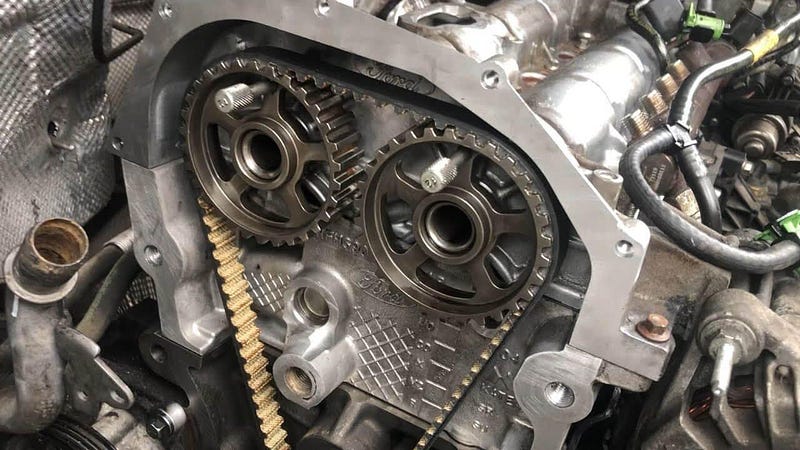
A wet timing belt, sometimes called an oil-bathed timing belt, performs the same fundamental job as a conventional timing belt: synchronising the rotation of the crankshaft and camshaft. This ensures that the engine’s valves open and close at the correct time.
Unlike a conventional dry timing belt, a wet belt operates within the engine and comes into contact with engine oil. The belt is manufactured from materials designed to withstand this environment.
Wet timing belt systems can help manufacturers achieve:
- Reduced mechanical noise
- Lower friction in certain applications
- Improved engine efficiency
- Compact engine packaging
- Potential reductions in emissions
However, the system depends heavily on using the correct engine oil and following the manufacturer’s servicing requirements.
Why Does a Wet Timing Belt Need Replacement?
Although timing belts are designed for durability, they are not permanent components. Over time, exposure to heat, oil, chemical additives, and repeated engine cycles can cause the belt material to deteriorate.

The consequences of belt failure can be serious. If the timing belt breaks or loses its integrity, the crankshaft and camshaft can become unsynchronised. In interference-type engines, this may result in contact between pistons and valves, potentially causing extensive internal engine damage.
Warning signs can sometimes include unusual engine noises, difficulty starting, rough running, or visible belt deterioration during inspection. However, a wet belt can deteriorate internally without providing obvious symptoms.
For this reason, replacing wet timing belt components according to the manufacturer’s recommended interval is generally more reliable than waiting for visible warning signs.
What Determines Wet Timing Belt Replacement Cost?
The wet timing belt replacement cost can vary considerably between vehicles. There is no universal price because the job involves different engine designs, parts requirements, and labour times.
Important cost factors include:
Vehicle and engine design
Some engines provide relatively straightforward access to the timing system, while others require significant disassembly. More complex access generally increases labour time.
Replacement parts
A proper timing belt service may involve more than simply fitting a new belt. Depending on the engine, the replacement procedure can include components such as tensioners, guides, seals, bolts, or other associated parts.
Engine oil requirements
Because the belt operates in oil, using the correct specification of engine oil is particularly important. Incorrect oil can contribute to belt deterioration and may create additional problems within the timing system.
Condition of related components
If inspection identifies worn or contaminated components, replacing them during the same repair may be sensible. Addressing related issues at the same time can help avoid repeated labour costs.
For an accurate estimate, vehicle owners should provide the garage with the vehicle registration or precise engine information so the correct parts and manufacturer requirements can be identified.
Best Practices When Replacing a Wet Timing Belt
Replacing wet timing belt systems requires appropriate technical knowledge and equipment. It is not simply a matter of removing an old belt and installing a new one.
A professional inspection and replacement should typically consider:
- Manufacturer service intervals
- Correct belt specification
- Correct engine oil specification
- Belt tension and alignment
- Associated timing components
- Oil contamination or debris
- Correct tightening procedures
- Post-repair engine checks
Another important consideration is maintenance history. If a vehicle has regularly received the wrong oil specification, the timing belt system may require closer inspection.

When replacing wet timing belt components, technicians should also follow the engine manufacturer’s procedures rather than relying on a generic timing belt process.
Wet Timing Belt Replacement in Trowbridge
For drivers searching for wet timing belt replacement Trowbridge, choosing a workshop with experience in modern timing systems can make the process more straightforward. Vehicle owners can use their service history, registration details, and mileage to establish whether their vehicle may be approaching its recommended replacement interval.
S&M Auto Service provides information for motorists researching wet timing belt servicing and replacement requirements in the Trowbridge area. Their guidance can be useful when comparing the factors that contribute to timing belt replacement work and understanding why servicing should follow vehicle-specific requirements.

Final Takeaway
Wet timing belts are an increasingly recognised feature of modern engine technology, but their maintenance requirements should not be overlooked. Correct oil specification, regular servicing, and adherence to the manufacturer’s replacement interval are important parts of protecting the timing system.
The wet timing belt replacement cost depends on the vehicle, engine design, parts required, and labour involved. Rather than choosing a repair based solely on price, motorists should consider the quality of the parts, correct technical procedures, and whether related components are being properly inspected.
For anyone considering wet timing belt replacement, early planning can help prevent an unexpected breakdown and potentially avoid much more expensive engine repairs. Understanding the system and following the correct maintenance schedule is one of the simplest ways to support long-term engine reliability.
Read More :