Winter can be challenging for gardens, especially when freezing temperatures, frost, strong winds, and sudden weather changes affect plants. While some plants naturally tolerate cold conditions, others need additional care to survive the winter months. Preparing your garden before temperatures drop can help protect roots, preserve soil health, and support healthy growth when spring arrives.
For homeowners in St. Louis, winter garden maintenance is particularly important because Missouri winters can bring fluctuating temperatures, occasional heavy snowfall, and periods of freezing weather. With a few practical steps, you can help your garden withstand cold conditions and remain in good shape throughout the season.
1. Clean Garden Beds Before Winter Arrives
One of the first steps in winter garden maintenance is cleaning up your garden beds. Fallen leaves, dead flowers, damaged branches, and decaying plant material can accumulate during autumn. Removing diseased or heavily infested debris helps reduce places where certain pests and plant diseases may persist.
However, not every leaf or plant stem needs to be removed. Healthy leaves can be shredded and used as a natural mulch in suitable areas. Some perennial stems and seed heads can also provide winter interest, food, or shelter for wildlife.
Focus on removing diseased material, invasive weeds, and debris that could smother plants. Clear pathways and drainage areas as well, allowing rainwater and melting snow to move away without obstruction.
A tidy garden provides a better starting point for winter and makes it easier to inspect plants for damage during colder months.
2. Apply Mulch to Protect Plant Roots
Mulching is an effective way to help protect plant roots from winter temperature fluctuations. Although mulch does not prevent the soil from freezing completely, it helps moderate temperature changes and reduces moisture loss.
Apply a layer of organic mulch, such as shredded bark, wood chips, or chopped leaves, around trees, shrubs, and suitable perennial beds. A layer approximately two to three inches deep is often sufficient, depending on the material and planting area.
Keep mulch a few inches away from tree trunks and the main stems of shrubs. Piling mulch directly against bark can trap moisture and encourage decay or provide shelter for pests.
Mulching is particularly useful when temperatures fluctuate between freezing and thawing. These changes can cause soil to expand and contract, potentially exposing shallow roots or disturbing newly planted specimens. A suitable mulch layer helps create more stable conditions around the root zone.
3. Water Plants Before the Ground Freezes
Plants still need water during winter, even when their growth slows. Dry soil can increase stress, particularly for newly planted trees, shrubs, and evergreen plants that continue losing moisture through their foliage.
Before the ground freezes, check the soil around your plants. If conditions are dry and the weather is suitable, water deeply so moisture reaches the root zone. Deep watering is generally more useful than frequent, shallow watering because it encourages moisture to reach the roots.
Avoid watering when the soil is already saturated or when temperatures are below freezing and water could create hazardous icy surfaces. During mild winter periods, monitor rainfall and soil moisture before deciding whether additional watering is necessary.
Evergreens may be especially vulnerable to winter desiccation because they retain their leaves or needles throughout the season. Maintaining adequate soil moisture before winter can help them cope with cold winds and dry conditions.
4. Protect Sensitive Plants From Frost and Wind
Not all garden plants have the same level of cold tolerance. Tender perennials, tropical plants, young shrubs, and recently planted specimens may need extra protection when freezing weather is expected.
Use frost cloth, horticultural fleece, or other breathable plant covers to protect vulnerable plants during cold spells. Secure the covering so that wind does not dislodge it, and remove or open it when conditions improve, following the product’s guidance. Avoid placing plastic directly against foliage, as contact with the material can increase the risk of cold damage.
Potted plants may need additional attention because their roots have less insulation than plants growing in the ground. Move suitable containers to a sheltered location, such as an unheated garage or protected porch, while ensuring the plants receive appropriate light and ventilation.
For plants exposed to strong winter winds, consider temporary wind protection or relocating movable containers to a more sheltered area.
5. Prune Carefully and Avoid Excessive Cutting
Pruning can help maintain garden health, but timing matters. Heavy pruning at the wrong time may stimulate tender new growth that is vulnerable to frost. It can also remove buds that would otherwise produce flowers during the next growing season.
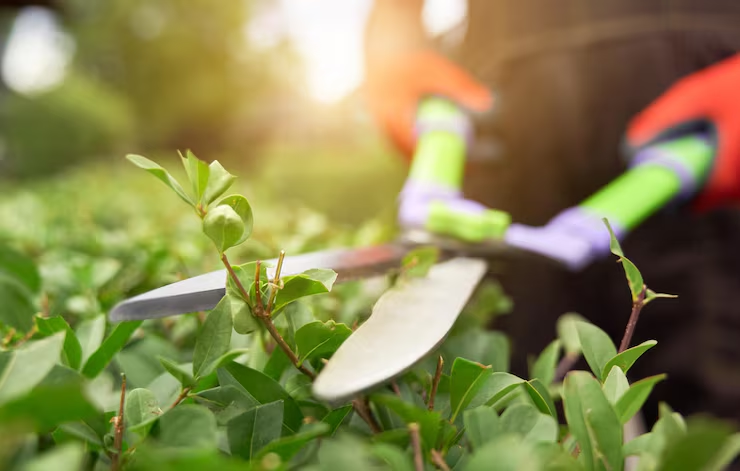
Before winter, remove broken, dead, or clearly diseased branches when appropriate. Use clean, sharp tools and make suitable cuts without damaging the remaining plant tissue.
Avoid cutting back every perennial automatically. Some plants benefit from leaving their foliage or stems in place until spring, while others may need to be cut back to reduce disease problems or maintain garden appearance. Research the needs of individual species before pruning.
Trees and shrubs also have different pruning requirements. If a large branch is damaged or a tree presents a safety concern, consult a qualified tree care professional rather than attempting risky work yourself.
6. Prepare Garden Soil and Manage Drainage
Healthy soil supports plants throughout the year, and winter is a useful time to address certain garden maintenance concerns. Poor drainage can leave roots sitting in cold, saturated soil, increasing the risk of root damage and plant decline.
After rainfall, observe whether water collects in planting beds or remains near tree trunks and shrubs. Clear blocked drainage channels and remove debris that prevents water from flowing away naturally.
Avoid working or walking repeatedly on waterlogged soil because it can become compacted. Compacted soil has less space for air and water movement, which may affect root development.
You can also prepare suitable garden beds by adding compost when conditions allow. Organic matter helps improve soil structure over time, although it should be used according to the needs of the soil and plants. Avoid unnecessary fertilizer applications late in the growing season, as these may encourage growth that is poorly prepared for freezing temperatures.
7. Check Irrigation Systems and Garden Equipment
Cold weather can damage irrigation pipes, hoses, and outdoor faucets if water remains inside them and freezes. Before temperatures drop significantly, disconnect garden hoses and follow the manufacturer’s instructions for draining and storing them.
If your property has an in-ground irrigation system, arrange appropriate winterization when needed. This may involve shutting off the water supply, draining components, and following the system manufacturer’s recommendations. Some systems require professional service to reduce the risk of freeze damage.
Store delicate garden tools and equipment in a dry, protected area. Clean tools before storage, remove soil and plant residue, and check that pruning equipment is in good condition for spring.
Taking these steps can help prevent avoidable repairs and make it easier to resume garden maintenance when warmer weather returns.
8. Monitor Your Garden Throughout Winter
Winter maintenance does not end once the garden has been prepared. Check plants periodically, especially after severe frost, strong winds, heavy snowfall, or extended dry periods.
Look for broken branches, exposed roots, damaged covers, and signs that mulch has shifted. Gently remove heavy snow from vulnerable branches when it can be done safely, but avoid shaking frozen branches, which may break more easily.
Do not assume that every brown or wilted plant is dead. Some plants naturally lose their foliage or enter dormancy during winter. Wait for suitable seasonal growth before making decisions about removing plants that may still be alive.
Conclusion
Protecting a garden from cold weather begins with preparation and continues through regular observation. Cleaning garden beds, applying suitable mulch, maintaining soil moisture, protecting sensitive plants, pruning carefully, and preparing irrigation systems can all help reduce winter damage.
For St. Louis homeowners, adapting maintenance practices to local weather conditions and individual plant needs is essential. When you’re unsure how to protect particular plants or prepare your landscape for winter, professional garden guidance can help you make informed decisions. With consistent care, your garden will be better prepared to handle the colder months and begin growing again when spring arrives.