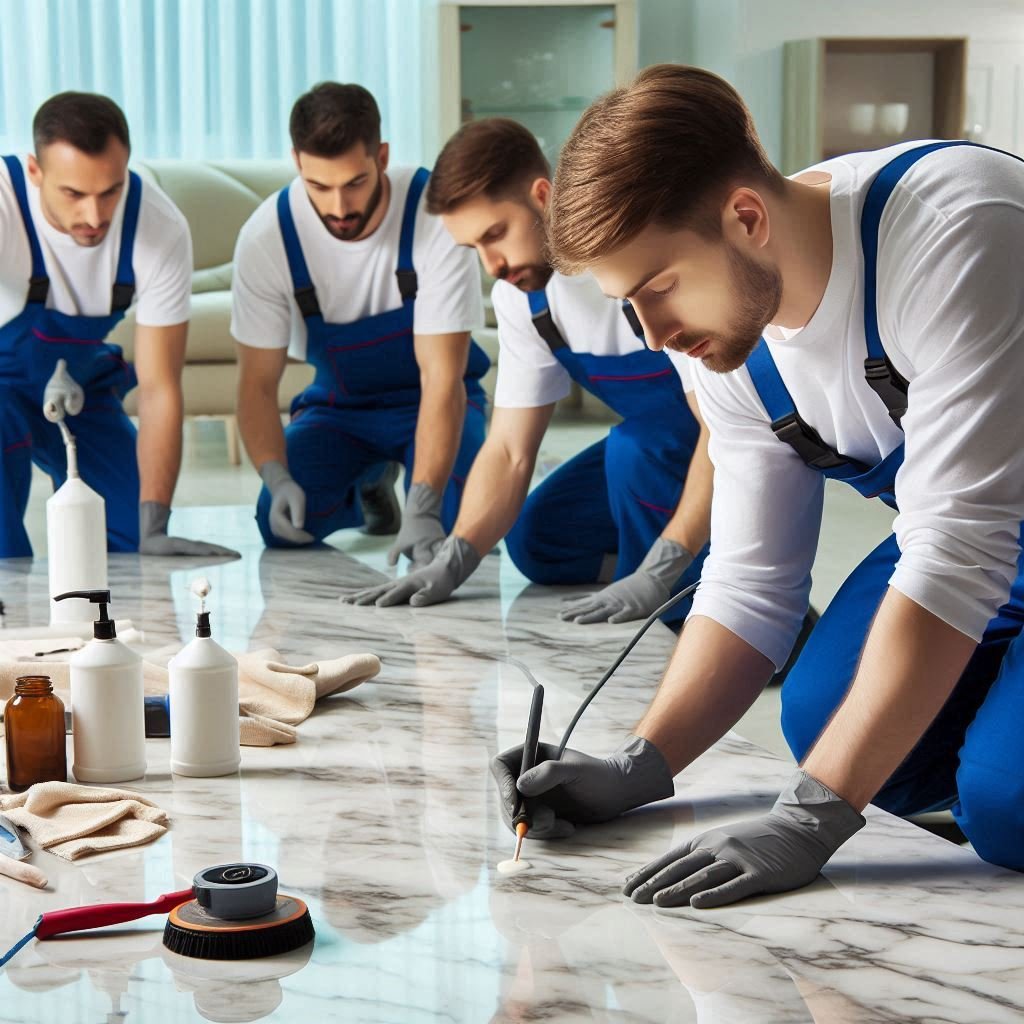
Travertine Cleaner Care Products
Travertine is a popular natural stone used for floors, countertops, walls, patios, bathrooms, and other residential and commercial spaces. Its distinctive appearance and natural texture can add character to a property, but proper maintenance is important for keeping travertine looking clean and well cared for. Choosing suitable Travertine Cleaner Care Products can help property owners establish an effective routine while reducing the risk of damage caused by unsuitable cleaning methods.
Because travertine is a calcium-based natural stone, it requires different care from many ceramic, porcelain, or synthetic surfaces. Understanding the characteristics of the material can help homeowners and property managers choose appropriate cleaning and maintenance solutions.
Why Does Travertine Require Special Care?
Travertine contains calcium carbonate and can be sensitive to acidic substances. Everyday products such as vinegar, lemon juice, and some bathroom or household cleaners may potentially etch or dull the surface.
Natural pores and variations in travertine can also collect dirt, dust, moisture, and other debris. Regular cleaning can help prevent buildup, but aggressive scrubbing or inappropriate chemicals may damage the stone’s appearance.
For this reason, selecting Travertine Cleaner Care Products specifically designed for natural stone can be preferable to using a general-purpose household cleaner.
Choosing the Right Travertine Cleaner
A suitable travertine cleaner should be formulated for natural stone and have a pH appropriate for the surface. Many stone-care professionals recommend avoiding highly acidic or abrasive cleaning products unless a specific product is designed for the particular stone and application.
A pH-neutral stone cleaner is often a practical option for routine maintenance. These products are generally designed to remove everyday dirt and residue without relying on harsh acids that could affect calcium-based stone.
Before applying any cleaner across an entire surface, it is wise to read the manufacturer’s instructions and test the product in a small, inconspicuous area.
Daily and Regular Travertine Maintenance
A consistent maintenance routine can make natural-stone care easier. Dust and loose debris can often be removed with a soft dust mop, microfiber cloth, or suitable vacuum attachment.
For routine wet cleaning, use a stone-safe cleaner according to the manufacturer’s directions. Excessive water should be avoided where possible, particularly on surfaces where moisture can remain in grout lines or porous areas.
Spills should also be addressed promptly. Although travertine can be durable, leaving liquids or staining substances on the surface for extended periods may make cleaning more difficult.
Using appropriate Travertine Cleaner Care Products as part of regular maintenance can help reduce accumulated residue and keep the stone’s natural appearance looking consistent.
Sealing Travertine Surfaces
Cleaning is only one part of a comprehensive travertine maintenance program. Depending on the location and type of stone, sealing may also be appropriate.
A suitable stone sealer can help reduce the penetration of certain liquids and contaminants into porous surfaces. However, sealers do not make travertine completely stain-proof or eliminate the need for regular cleaning.
The appropriate sealing schedule depends on factors such as the type of travertine, surface finish, location, foot traffic, and the specific sealer being used. Following the manufacturer’s recommendations is important.
Avoiding Common Cleaning Mistakes
One of the most common mistakes in travertine care is assuming that a cleaner safe for another surface is automatically suitable for natural stone. Acidic bathroom cleaners, abrasive powders, strong chemicals, and rough scrubbing tools may create unwanted changes to the stone.
Another mistake is using too much cleaning product. More cleaner does not necessarily mean better results. Product residue can sometimes remain on the surface and create a dull or sticky appearance.
It is also important to avoid combining cleaning chemicals. Different products may contain ingredients that should not be mixed.
Selecting Travertine Care Products
When shopping for Travertine Cleaner Care Products, look for products that clearly identify their intended use for natural stone or travertine. Consider the surface location, type of finish, cleaning frequency, and specific maintenance requirements.
Product instructions, manufacturer recommendations, and professional stone-care guidance can all help determine whether a particular cleaner or maintenance product is appropriate.
Final Thoughts
Travertine can remain attractive for many years when it receives appropriate care. Regular dust removal, prompt spill cleanup, suitable cleaning solutions, and proper maintenance practices can all contribute to preserving the appearance of natural stone.
For homeowners and property managers searching for Travertine Cleaner Care Products, choosing solutions specifically formulated for natural stone is an important starting point. With the right products and a consistent maintenance routine, travertine surfaces can continue to provide a distinctive and durable finish throughout a property.