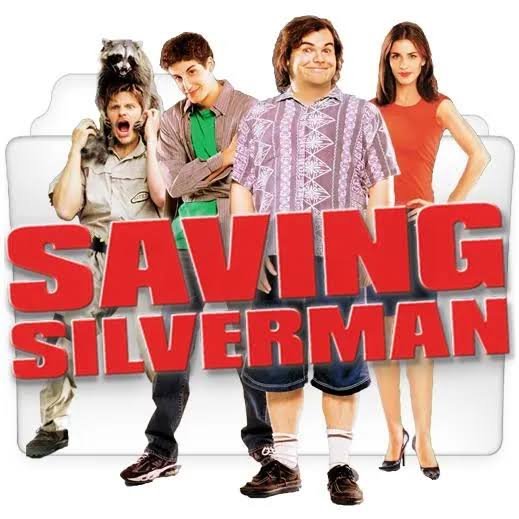
Darren Silverman
Some movie characters remain memorable long after their films leave theaters. They may not be superheroes, brilliant detectives, or larger-than-life action stars. Instead, they are ordinary people dealing with complicated relationships, questionable decisions, and the unpredictable challenges of everyday life. Darren Silverman belongs to this category.
Played by Jason Biggs in the 2001 comedy Saving Silverman, Darren is an awkward, kindhearted character whose romantic life becomes the center of an increasingly chaotic adventure. The film follows Darren and his longtime friends Wayne and J.D., whose friendship is threatened when Darren becomes involved with Judith. Sony Pictures describes the three men as best friends since fifth grade, with their friendship built partly around their shared enthusiasm for Neil Diamond and their cover band.
An Unlikely Romantic Hero
Darren Silverman is not the traditional romantic-comedy hero.
He is not particularly confident, polished, or charismatic. Instead, he is vulnerable, somewhat naïve, and eager to make the people around him happy. Those qualities make him easy for audiences to recognize. Rather than presenting an unrealistic image of romance, Darren represents someone who can become overwhelmed by relationships and struggle to recognize when his own identity is being compromised.
Jason Biggs’ performance is important to this dynamic. IMDb credits Biggs as Darren alongside Steve Zahn as Wayne, Jack Black as J.D., and Amanda Peet as Judith.
Biggs gives Darren a nervous and approachable quality that allows the character to remain sympathetic even when his decisions become frustrating.
Friendship Drives the Story
Although the movie is built around Darren’s romantic problems, friendship is arguably its strongest theme.
Wayne and J.D. have known Darren since childhood. When Judith enters his life, they believe he is gradually giving up the things that make him who he is. Their response is wildly inappropriate and intentionally absurd, but their motivation comes from loyalty.
The official Sony synopsis describes their attempts to save Darren and their friendship after Judith begins separating him from his friends and their band.
This creates an interesting emotional foundation beneath the comedy. Wayne and J.D. are not simply trying to break up a relationship because they dislike Judith. They believe they are rescuing their friend.
Their methods are extreme, but the underlying concern is familiar: friends sometimes notice changes in us before we recognize them ourselves.
Darren and the Loss of Identity
One reason Darren Silverman remains an interesting character is the way his relationship affects his identity.
Before Judith becomes central to his life, Darren is part of a close friendship group. He shares hobbies, memories, and ambitions with Wayne and J.D. Their Neil Diamond tribute band is particularly important because it represents something the three friends built together.
When Darren begins prioritizing Judith, the balance changes.
The conflict is therefore larger than romance. It is about what happens when a person allows a relationship to influence every part of their life.
This idea remains relevant because people frequently adjust their routines, friendships, interests, and priorities when entering relationships. Saving Silverman exaggerates this process for comedic effect, but Darren’s underlying dilemma is recognizable.
The Importance of Neil Diamond
The Neil Diamond connection is one of the film’s most distinctive details.
Darren, Wayne, and J.D. are not casual fans. Their enthusiasm becomes a defining feature of their friendship, and their tribute band gives them a shared identity.
Contemporary coverage of the film noted that the three friends had been best friends since fifth grade and that their friendship was strengthened by their admiration for Neil Diamond.
The musical element also gives the movie an unusual personality. Rather than relying solely on the romantic storyline, the filmmakers created a friendship with its own history and culture.
Neil Diamond’s appearance as himself adds another memorable layer to this running joke and reinforces the importance of music to Darren and his friends.
Why Darren Feels Relatable
There is something appealing about characters who are imperfect.
Darren makes mistakes. He can be indecisive and too willing to please others. He does not always recognize what is happening around him until his friends intervene. Yet these weaknesses are part of what makes him believable.
The character is not designed to be admired for being flawless. He is designed to be understood.
Many viewers can recognize the experience of wanting to maintain peace, avoid confrontation, or make someone else happy even when doing so creates personal problems. Darren takes those ordinary tendencies and places them inside an exaggerated comedy.
That is one reason the character can remain memorable decades after the movie’s release.
A Distinctive Early-2000s Comedy
Saving Silverman is also a fascinating snapshot of early-2000s studio comedy. The film was directed by Dennis Dugan and written by Hank Nelken and Greg DePaul, with a cast that included Jason Biggs, Steve Zahn, Jack Black, Amanda Peet, Amanda Detmer, and Neil Diamond.
The movie’s humor is intentionally broad and frequently outrageous. Contemporary reviews were mixed, with critics commenting on its energetic but deliberately crude comedic style.
Yet the film’s unusual premise and recognizable cast have helped it remain a point of interest for audiences exploring comedies from that period.
Darren is central to that appeal because he provides an emotional anchor amid the chaos.
More Than Just a “Lovable Loser”
Calling Darren a lovable loser is easy, but the character deserves a little more consideration.
He is not memorable simply because he is awkward. He is memorable because his awkwardness is combined with genuine affection for the people around him. He cares about his friends, wants to find happiness, and tries to navigate complicated relationships despite lacking the confidence or experience to handle them smoothly.
That combination makes him human.
The comedy works because audiences can laugh at Darren’s circumstances while still rooting for him to find his way.
Conclusion
Darren Silverman remains an intriguing character because his story combines several timeless themes: friendship, romance, identity, loyalty, and the struggle to make good personal decisions.
Saving Silverman may use exaggerated situations and outrageous comedy to tell its story, but the emotional foundation is surprisingly familiar. Darren is someone who wants to be happy without disappointing the people he cares about. His friends want to protect him, even when their methods create problems of their own.
More than two decades after the film’s release, that combination of vulnerability and humor still gives Darren a recognizable appeal. He is not a perfect hero, and that is precisely the point. Darren Silverman represents the awkward, uncertain, and occasionally misguided side of being human—and sometimes those are the characters audiences remember most.