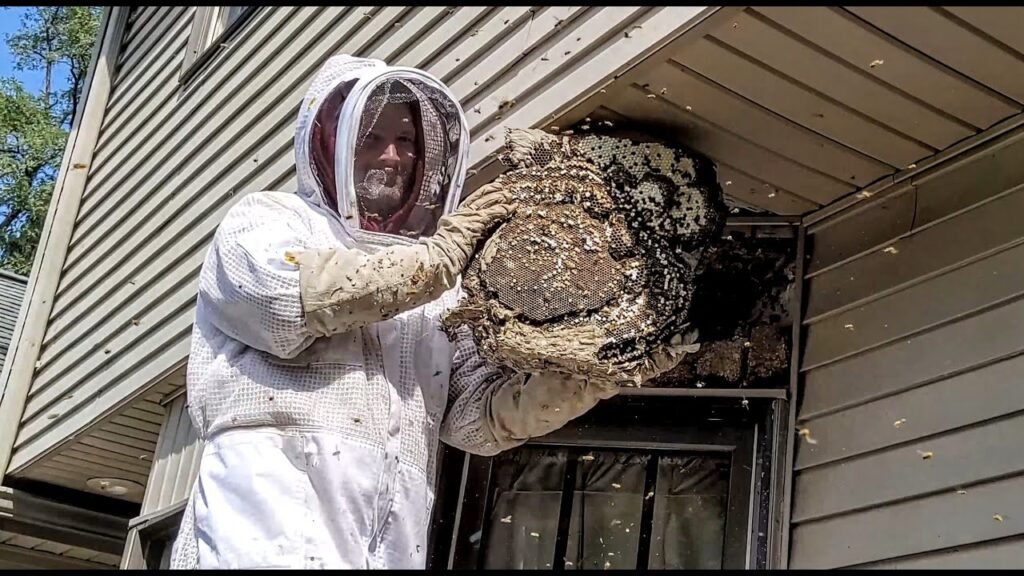
The Importance of Early Detection for Bee Infestations
Bee infestations can develop quietly, making warning signs easy for homeowners to overlook. However, recognizing unusual activity quickly can prevent minor concerns from becoming significant property problems. When colonies establish themselves inside walls, roofs, attics, or sheltered spaces, removal can become increasingly complicated. Therefore, early detection allows homeowners to respond before colonies grow larger and create additional concerns.
Bees generally search for protected spaces offering shelter from weather, predators, and environmental changes. Small openings around roofs, siding, vents, chimneys, and utility lines can provide suitable entry points. Once workers identify secure locations, they may repeatedly return while gradually establishing a colony. Consequently, occasional sightings near one area deserve closer observation rather than immediate dismissal.
The sooner homeowners identify unusual activity, the more opportunities they have for responsible intervention. Regular property inspections represent one of the simplest ways to recognize potential nesting concerns. These inspections can identify structural openings while revealing patterns indicating increasing insect activity. Ultimately, early detection supports safer decisions and reduces unnecessary complications during professional removal.
Recognizing Warning Signs Before Colonies Expand
Recognizing early warning signs requires homeowners to pay attention to changes around their properties. One noticeable indication involves repeated bee activity near the same entrance, wall, or roofline. Occasional visitors usually move between flowers and nesting areas without repeatedly concentrating around structures. However, persistent activity around one location may suggest that bees discovered nearby shelter.
Another warning sign involves hearing faint buzzing sounds inside walls, ceilings, or enclosed structural areas. These sounds can become more noticeable during warmer daylight hours when colony activity increases. Homeowners should avoid opening walls or disturbing suspected nests while investigating these sounds. Instead, observing activity from a safe distance can provide useful information for professionals later.
Small amounts of wax or honey residue near structural openings can provide additional clues. Discoloration around cracks, vents, or siding may also indicate activity occurring behind surfaces. Furthermore, bees repeatedly entering and leaving one small opening can reveal a hidden colony.
Property owners should monitor unusual activity around chimneys because unused flues sometimes provide sheltered nesting opportunities. Attics and roof cavities can similarly offer warm, protected environments attractive during active seasons. Outdoor storage structures, sheds, pergolas, and furniture frames may also contain suitable hidden cavities.
Changes in insect activity deserve attention when they occur suddenly or remain concentrated around one location. Keeping simple observations can help homeowners identify patterns across several days or weeks. This information becomes valuable when professionals evaluate the location and determine appropriate next steps.
Importantly, early detection does not mean homeowners should attempt direct colony removal themselves. Disturbing an established colony can provoke defensive behavior and potentially create unnecessary safety risks. Instead, observations should guide homeowners toward informed professional evaluation when suspicious activity continues.
How Early Detection Helps Prevent Property Damage
Hidden bee colonies can create concerns beyond visible insect activity because nests may remain inside structures. As colonies grow, accumulated honey, wax, and nesting material can occupy increasingly larger spaces. These materials may create staining, odors, moisture concerns, and structural complications over time.
If a colony establishes itself inside walls, removal may require careful access to concealed spaces. Professionals may need to identify entry points, nesting locations, and structural conditions before proceeding. Prompt intervention can sometimes reduce the amount of structural disturbance necessary during removal.
Roof areas deserve particular attention because nesting activity can occur beneath tiles, shingles, soffits, or fascia. Moisture entering compromised areas can create additional property concerns when structural openings remain unrepaired. Therefore, identifying potential nesting activity early allows homeowners to address both colonies and underlying vulnerabilities.
Attics can present similar concerns because they provide warmth, darkness, and protection from outdoor weather. Stored belongings may also make these areas difficult to inspect regularly. Routine inspections can help identify unusual sounds, insect movement, or structural gaps before problems escalate.
Early intervention may also reduce future maintenance expenses by addressing access points before repeated nesting occurs. Sealing suitable openings after professional removal can discourage colonies from returning to identical locations. However, openings should only be sealed after confirming that no active colony remains inside.
This distinction is particularly important because sealing an active colony inside a structure can worsen complications. Professional assessment ensures preventive repairs occur at the appropriate stage during the removal process. For these reasons, early detection can protect structural integrity while supporting safer property management decisions.
When Professional Bee Removal Becomes Necessary
Homeowners should understand when observation has reached the point requiring professional assistance. Repeated activity around one structural location deserves attention, particularly when nesting appears increasingly concentrated. Visible colonies near entrances, children’s areas, rooflines, or frequently occupied spaces warrant prompt professional evaluation.
Attempting removal without suitable knowledge can disturb colonies and increase unnecessary risks for occupants. Professionals understand bee behavior, nesting patterns, structural access points, and responsible relocation practices. They can evaluate situations while considering both human safety and ecological responsibility.
For homeowners dealing with suspected colonies, a trusted bee removal service in Mission Viejo can assess nesting locations and recommend humane removal or relocation options based upon specific property conditions. This approach can protect residents while preserving beneficial pollinators whenever safe relocation remains possible.
Professional assessments can also identify hidden nesting areas that homeowners may overlook during casual inspections. Experienced specialists know where colonies commonly establish themselves and which structural clues require closer attention. They can additionally recommend repairs that reduce the likelihood of future nesting around vulnerable areas.
Ultimately, seeking assistance at an appropriate stage supports safer outcomes for residents, structures, and pollinators. This makes early detection an essential part of responsible residential property management.
Building a Long-Term Prevention Strategy
Preventing future infestations requires homeowners to combine observation with consistent property maintenance practices. Once professionals address an established colony, homeowners should inspect surrounding structures carefully. Cracks, holes, damaged screens, loose siding, and unprotected vents can provide future nesting opportunities.
Sealing appropriate openings helps reduce access while maintaining necessary ventilation throughout residential structures. Roof inspections can identify damaged materials that might otherwise create sheltered cavities for nesting. Likewise, chimney caps and properly maintained vents can reduce access to enclosed spaces.
Landscaping also deserves consideration because flowering plants naturally attract pollinators throughout different seasons. Homeowners do not need to eliminate beneficial plants simply to reduce unwanted residential encounters. Instead, flowering gardens can remain positioned farther from entrances, patios, children’s play areas, and busy pathways.
Documentation can also help because photographs and notes reveal recurring patterns across multiple seasons. This information allows professionals to understand where activity repeatedly occurs and why. Over time, consistent prevention can significantly reduce suitable nesting opportunities around residential properties.
Most importantly, homeowners should remember that early detection works best alongside responsible prevention. Recognizing warning signs quickly allows informed decisions before colonies become larger or more difficult to manage. Professional evaluation further ensures necessary interventions protect people without unnecessarily harming valuable pollinator populations.
Ultimately, proactive awareness provides greater confidence while protecting homes, families, and beneficial pollinators for years.