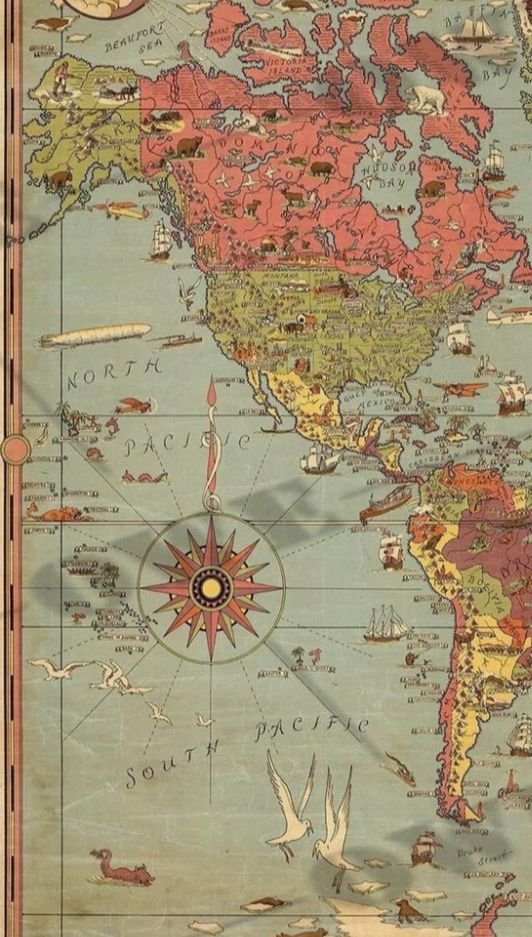
Old maps for collectors have become far more than decorative pieces for homes, libraries, and offices. They represent centuries of exploration, craftsmanship, and cultural heritage that continue to inspire historians, travelers, and art enthusiasts alike. Every vintage map tells a unique story about how people once viewed the world, documenting changing borders, forgotten settlements, ancient trade routes, and remarkable discoveries. Collectors appreciate these historical works because they combine artistic beauty with educational value, making them meaningful additions to both private and public collections.
Unlike modern printed maps designed primarily for navigation, antique and vintage maps capture the imagination through intricate illustrations, elegant typography, and carefully crafted details. Whether displayed in a study, gallery, or personal collection, these remarkable creations preserve moments from history that cannot be recreated. As interest in historical artifacts continues to grow, old maps for collectors remain among the most fascinating collectibles available today.
The Historical Significance of Antique Maps
Maps have always served as windows into the past. Long before digital navigation and satellite imagery, mapmakers relied on observation, exploration, and the knowledge available during their era. Each historical map reflects the understanding of geography at a particular point in time.
Collectors value antique maps because they document the evolution of countries, cities, coastlines, and civilizations. Some maps illustrate territories that no longer exist, while others reveal names of places that have changed over generations. These historical references provide valuable insight into political, economic, and cultural developments throughout history.
Owning an old map allows collectors to preserve an authentic representation of the past while appreciating the artistry involved in its creation.
Why Old Maps Continue to Fascinate Collectors
The appeal of old maps extends well beyond their visual beauty. They connect people with stories of exploration, adventure, and human curiosity. Every crease, handwritten notation, decorative border, and compass rose reflects the dedication of skilled cartographers who transformed geographical knowledge into artistic masterpieces.
Many collectors are drawn to maps because they represent important milestones in world history. Others appreciate their decorative qualities, using them to create sophisticated interiors filled with character and timeless charm.
Old maps for collectors also encourage lifelong learning. Each acquisition often inspires research into historical events, famous explorers, and forgotten regions, making collecting an intellectually rewarding experience.
The Artistic Beauty Found in Vintage Cartography
Historic maps are admired not only for their accuracy but also for their artistic presentation. Cartographers often incorporated elaborate illustrations that transformed practical documents into works of art.
Elegant calligraphy, decorative title panels, ornamental borders, sailing ships, mythical sea creatures, mountains, forests, and detailed coastlines contribute to the visual appeal of antique maps. These artistic elements make every piece unique, reflecting the style and creativity of the period in which it was produced.
Many collectors display old maps as statement pieces because they complement both traditional and contemporary interior designs while adding sophistication to any room.
Understanding Different Types of Collectible Maps
Old maps encompass a wide variety of styles, each appealing to different interests and collecting goals.
World maps remain among the most popular choices because they illustrate how global understanding evolved over centuries. Regional maps focus on specific countries, provinces, or territories, offering remarkable detail about local history.
City maps provide fascinating glimpses into urban development, revealing streets, landmarks, and neighborhoods as they once appeared. Maritime charts document coastlines and sea routes that supported exploration and commerce, while military maps record historical campaigns and strategic planning.
Collectors often specialize in one category while gradually expanding their collections to include different themes and geographical regions.
The Journey of Cartography Through the Ages
The history of mapmaking spans thousands of years, reflecting humanity’s desire to understand and document the surrounding world. Early civilizations created simple representations of landscapes that gradually evolved into increasingly sophisticated works.
As exploration expanded across continents and oceans, cartographers refined their techniques, incorporating new discoveries into their designs. Each generation of maps became more detailed while maintaining distinctive artistic characteristics that reflected the culture and technology of the period.
Today, collectors admire these historical creations because they preserve the remarkable evolution of geographical knowledge and human exploration.
Factors That Make a Map Valuable
Several characteristics influence the desirability of antique maps within the collecting community.
Historical importance often plays a significant role. Maps documenting major discoveries, significant events, or notable geographical transitions tend to attract greater interest.
Condition also contributes to value. Maps that retain clear printing, strong structural integrity, and well-preserved details are especially desirable.
Original printing, rarity, artistic quality, and documented provenance further enhance a map’s appeal. Collectors frequently seek pieces created by renowned cartographers whose work shaped the history of mapmaking.
A combination of these factors transforms an old map into an extraordinary historical treasure.
Building a Meaningful Collection
Successful collectors often begin by identifying personal interests rather than simply acquiring random pieces. Some focus on maps depicting their hometown, country, or ancestral regions, while others specialize in exploration, maritime history, or early world maps.
Research plays an important role in building a thoughtful collection. Learning about famous cartographers, historical periods, printing techniques, and geographical developments allows collectors to make informed decisions.
Over time, each carefully selected map contributes to a collection that reflects both historical significance and personal passion.
Authenticity Matters
Authenticity remains one of the most important considerations when purchasing old maps for collectors. Genuine antique maps possess characteristics that distinguish them from modern reproductions.
Experienced collectors examine printing methods, paper quality, typography, coloration, margins, and signs of natural aging. Historical documentation and reputable sellers further support authenticity.
Developing an understanding of these identifying features enables collectors to purchase with greater confidence while protecting the long-term integrity of their collections.
Caring for Antique Maps
Proper preservation allows antique maps to remain beautiful for generations. Gentle handling minimizes unnecessary wear, while appropriate storage protects delicate materials from environmental damage.
Using archival-quality framing materials helps preserve both appearance and structural stability when displaying maps. Keeping collections in clean, stable surroundings also supports long-term preservation.
Thoughtful care ensures that these remarkable historical documents continue telling their stories well into the future.
Decorating with Historical Maps
Old maps bring elegance and personality to interior spaces. Their neutral tones, intricate illustrations, and historical character complement a wide range of decorative styles.
Libraries, offices, living rooms, hallways, and reading spaces all benefit from the timeless sophistication that antique maps provide. A large framed world map can serve as an impressive focal point, while smaller regional maps create attractive gallery walls filled with historical interest.
Many collectors enjoy rotating their displayed pieces throughout the year, allowing different maps to become conversation starters for family and guests.
Educational Value Beyond Decoration
Collecting antique maps offers far more than aesthetic enjoyment. Each map provides opportunities to study geography, political history, exploration, architecture, and cultural development.
Students, educators, historians, and researchers frequently use historical maps to better understand changing landscapes and historical events. Comparing maps from different centuries reveals how borders shifted, cities expanded, and transportation routes evolved over time.
For many collectors, every acquisition becomes an educational journey that continues long after the purchase.
The Emotional Connection to Historical Maps
Every collector develops a personal relationship with their collection. Some maps evoke memories of family heritage, while others celebrate places visited during memorable journeys.
Maps depicting ancestral regions often hold deep emotional significance, connecting generations through geography and history. Others inspire dreams of exploration by illustrating distant lands that once captured the imagination of early travelers.
These emotional connections make collecting deeply rewarding, transforming historical artifacts into meaningful personal treasures.
The Growing Interest in Old Maps for Collectors
Interest in antique cartography continues to expand as more people discover the historical and artistic value of vintage maps. Interior designers, museums, educational institutions, and private collectors all recognize the unique appeal these remarkable works possess.
Modern technology has also increased awareness by allowing enthusiasts to research historical cartography more easily before adding new pieces to their collections. As appreciation for authentic historical artifacts grows, antique maps remain among the most respected collectibles available.
This continued interest ensures that future generations will preserve and celebrate these remarkable records of human achievement.
Choosing the Right Map for Your Collection
Selecting the perfect map depends on individual interests, available space, and collecting goals. Some enthusiasts begin with affordable regional maps before gradually acquiring more historically significant examples.
Others search for maps connected to famous explorers, historical events, or specific time periods that align with their research interests.
Rather than focusing solely on rarity, experienced collectors often prioritize pieces that inspire genuine curiosity and appreciation. A thoughtfully chosen map frequently becomes the foundation of an entire collection built over many years.
Conclusion
Old maps for collectors represent an extraordinary blend of history, artistry, and exploration. They preserve the achievements of generations who sought to understand the world while creating beautiful visual records that continue to captivate audiences today. Every antique map offers a unique perspective on geography, culture, and human ambition, making it far more than a decorative object.
Whether admired for historical significance, artistic excellence, or personal connection, old maps remain timeless treasures that enrich collections and preserve the stories of our shared past. As collectors continue discovering these remarkable works, their legacy will endure, inspiring future generations to appreciate the craftsmanship and historical insight found within every carefully drawn map.