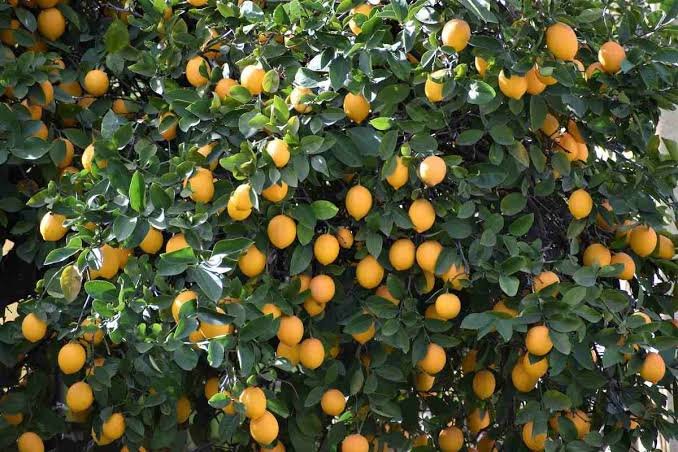
Lemon is one of those crops that never really goes out of demand. Every kitchen needs it, every season sees some use for it, and the price remains similar throughout. That is why more and more farmers across India, from Andhra Pradesh to Maharashtra to Gujarat, are turning part of their land to cultivate lemons. Here is a simple guide about how lemon farming works in India and what you actually need to get started.
Lemon Cultivation: Land Preparation to Selling
The following blog describes each of the step which is necessary to grow a lemon. Also, how farmers can gain more profit by cultivating them.
Why Lemon Is a Smart Crop to Grow
Growing lemon trees is not so tough. They grow in almost any soil, they do not demand constant attention once established, and they keep giving fruit for years. A single healthy tree can produce anywhere between 500 and 1,000 lemons a year once it matures. Since the fruit is used fresh, pickled, juiced, and even in cleaning products, there is always a buyer somewhere. For a farmer looking at a steady income without so much effort, growing lemons is a good choice.
Picking the Right Land and Soil
Lemon trees like light, well-drained soil with a pH somewhere between 5.5 and 7.5. That covers a lot of ground in India, so most farmers do not need to worry too much about soil type. Waterlogging is the one thing lemon trees really cannot handle; it leads to root rot and can wipe out young plants fast. If your land tends to hold water after rain, farmers should dig small channels or raise the planting beds a little before they start.
Climate-wise, lemon prefers a warm, fairly dry atmosphere. It can take some heat, but frost and prolonged cold spells are damaging, especially for young trees. So if you are in a region with mild winters and decent sunshine, this is a good spot for growing the crop.
Choosing a Variety
There are quite a few lemon varieties grown across the country, and the right one often comes down to your region and what the local market prefers. Eureka, Pant Lemon, Punjab Baramasi, Rasraj, and Vikram are among the more common choices. Some of these give fruit almost all year round, which is handy if you want a more even flow of income instead of one big harvest season. Farmers can take the opinion from the agriculture office or a nearby nursery. It is usually the fastest way to figure out which variety suits your soil and climate best.
Preparing the Land and Planting
Before planting, the field needs a proper ploughing to break up the soil and clear out old roots and weeds. July and August are usually considered the best months to plant lemon saplings. The monsoon gives the young roots a gentle start without needing heavy manual watering.
Maintaining the space between the lemon trees are important. The trees are usually planted around 4 to 5 metres apart, which works out to roughly 150 to 200 trees per acre. This gap is not just for looks. It gives each tree enough room for its canopy to spread and lets sunlight and air move through the orchard properly, which keeps disease pressure lower.
Lemon Farming: Use of Tractors
Lemon orchards are usually laid out in narrow, well-spaced rows, and moving a full-size tractor through them for ploughing, inter-row weeding, or spraying can be tough. This is where Mini Tractors have become popular. Their smaller turning radius and compact build make it much easier to work between rows without damaging young trees or plants. Many lemon farmers who
The smaller models are known for being fuel-efficient and easy to manoeuvre, which suits the tight spacing of a lemon plantation. A Massey Ferguson mini tractor can handle ploughing, mulching, and light haulage around the orchard without needing a huge turning space, and that kind of practicality goes a long way when you are working acre after acre of narrow rows.
Watering and Feeding the Trees
Young lemon trees need regular watering, ideally twice a week for the first six months, then you can stretch it out to once a week. Drip irrigation works best here since it delivers water straight to the roots without wetting the whole field, which also helps keep fungal diseases in check. As the trees mature, they still need consistent watering during flowering and fruiting.
Farmyard manure or compost should be applied a couple of times a year, keeping the soil healthy and the trees in good condition. A basic soil test before you start is worth the effort. It tells exactly what your land is short on, so farmers can choose the fertiliser accordingly.
Keeping Pests and Diseases Away
Lemon trees can run into trouble with canker, root rot, powdery mildew, and pests like citrus psylla and leaf miner. The good news is that most of these are manageable if you catch them early
. Regular pruning to keep the centre of the tree open for airflow, removing weak or damaged branches, and a bit of routine inspection help. Neem-based sprays work well for lighter infestations. Your local agriculture extension office can also guide you on the right treatment.
Harvesting and Selling
Lemon trees usually start bearing fruit around the third year, and yields settle into a steady rhythm by year four or five. Harvesting is done by hand, picking the fruit while it is still green and firm rather than waiting for it to yellow fully. Since that is when quality and shelf life are best. Prices through the year usually range from Rs 40 to Rs 120 per kg, depending on the season. So, keeping an eye on the local mandi rates helps you time your sales better.
A Final Word
Lemon farming is not difficult, but it requires proper planning and regular care. Farmers should prepare the soil well, maintain proper plant spacing, provide timely irrigation, and keep the orchard clean and well-ventilated. Using the right equipment, whether a full-size tractor for larger fields or a mini tractor for inter-row operations, can also improve efficiency. By following these practices, farmers can build a healthy lemon orchard and earn a stable income.