If you have ever watched a child light up the moment a robot they built actually moves, you understand the appeal instantly. That spark is what educational STEM kits are built to create. Research on hands-on learning suggests students retain up to 75% of what they actively practice, against a small fraction of what they absorb from lectures alone. In a classroom, that gap is the entire point.
What Is Actually Inside a STEM Kit?
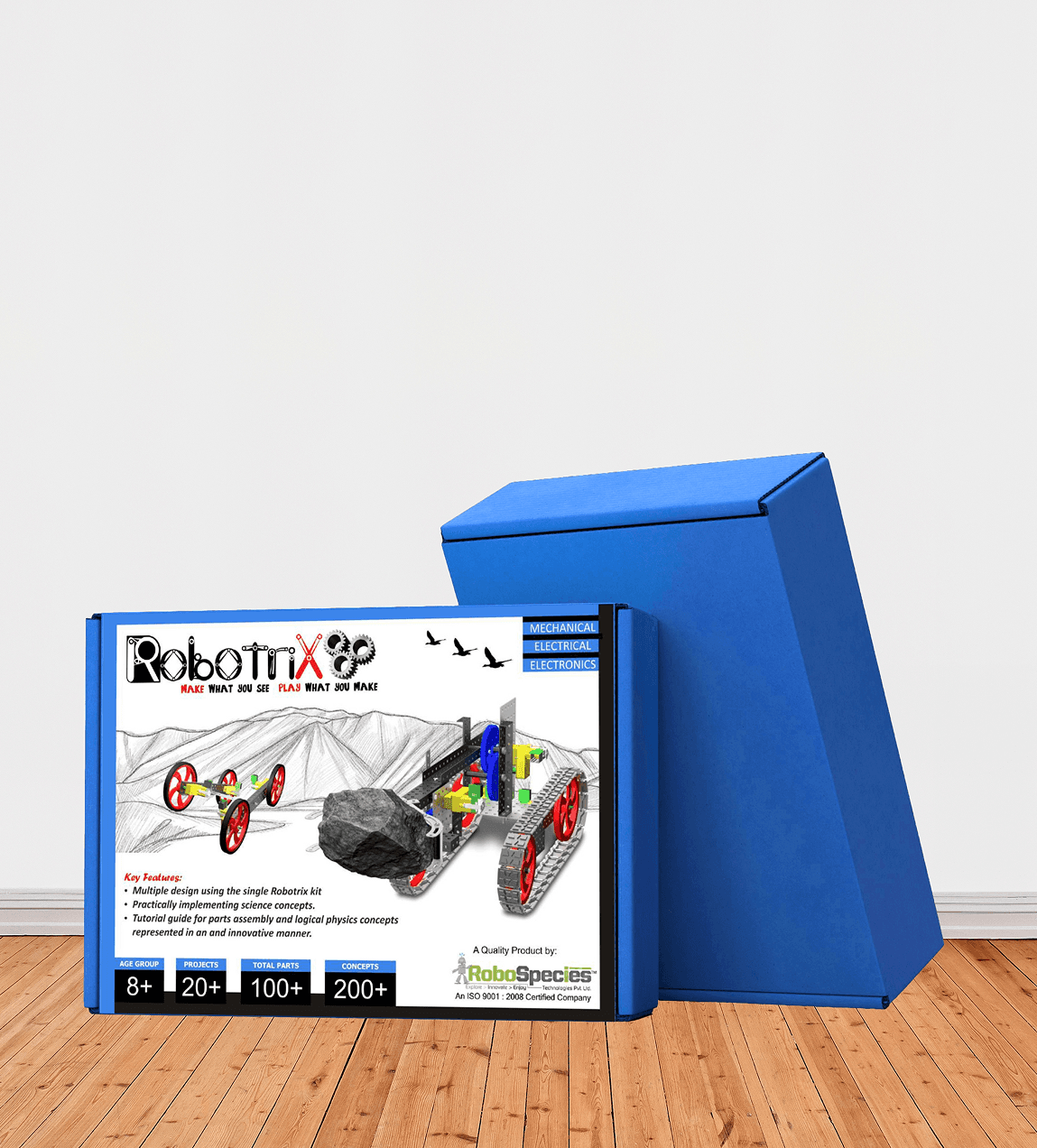
At their simplest, these kits are curated boxes of components including motors, sensors, controller boards, gears, wiring, and building blocks, packaged alongside guided lessons. Instead of reading how a circuit works, students assemble one. Instead of memorising a definition of robotics, they wire a moving model and watch cause meet effect. The learning happens through the fingertips first and the textbook second.
How Schools Use Them Day to Day
The real value shows in how they are used. Good STEM kits for schools are not one-off toys. They follow a structured path that starts with a simple build and gradually layers in coding, problem solving, and independent experimentation. A student might assemble a basic model, program it to respond to light or sound, then redesign it entirely when the first attempt fails. That failure-and-retry loop is where the deepest thinking lives.
Kits That Grow With the Student
Kits are typically differentiated by grade and skill level, so they can be used in multiple grade levels. Younger kids use chunky forgiving pieces to learn mechanics and sequencing. Once the students grow older, they are introduced to electronics, programmable boards, and simulation software. In the higher grades, more sophisticated robotic kits for engineering students give students authentic sensors, custom coding and open-ended problems that simulate the prototyping and iteration process of working engineers.
Support That Makes Teachers Confident
Teachers gain as much as learners here. A well-designed box arrives with lesson plans, worksheets, and assessment tools, so an educator new to robotics is never left guessing. This is where a turnkey partner like RoboSpecies matters. Rather than dropping off equipment and walking away, they pair the best educational STEM kits with curriculum aligned to NEP 2020, trainer support, and platforms such as TinkerBrix that let students code and simulate before they build. The classroom runs smoothly instead of stalling on setup.
Skills That Reach Beyond the Circuit Board
There is a quieter benefit worth naming too. When students build together, they negotiate, split roles, and defend their ideas. Collaboration, patience, and confidence grow right alongside the technical skills, and the most challenging robotic kits for engineering students push that teamwork even further. These are habits that carry into any career, whether or not the student ever becomes an engineer.
Conclusion
Ultimately, a good kit does something a lecture cannot. It turns abstract concepts into objects a child can hold, break, fix, and improve. Thoughtfully chosen STEM kits for schools give every learner a low-pressure way to experiment and a real reason to stay curious. And for the students who fall in love with the process, that early spark may be the most valuable thing a classroom can han