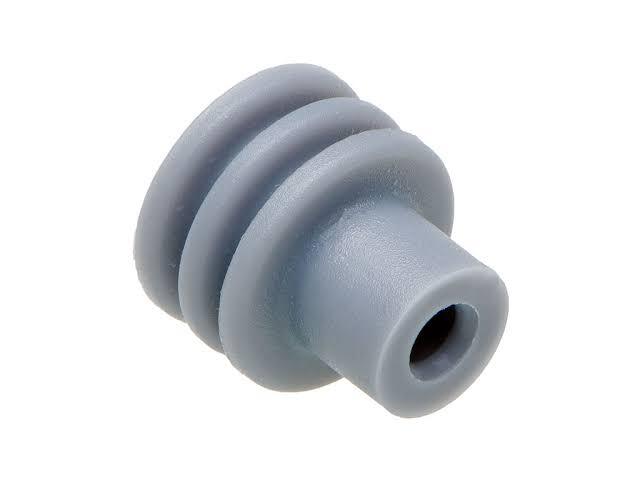
Automotive Connector Seals
Electrical reliability is no longer a secondary concern in vehicle design. Modern cars, trucks, utility vehicles, and electric platforms rely on tightly connected electronic systems to support sensing, control, communication, safety, and power distribution. In these environments, even a minor weakness inside a connector assembly can create larger performance issues across the vehicle. That is where Automotive Connector Seals become especially important.
Automotive Connector Seals are used to protect connector systems from environmental exposure that could damage contacts or reduce electrical stability. They help close vulnerable gaps around wires, terminals, and mating interfaces so that contaminants stay out and connection quality remains more consistent. In real vehicle conditions, this type of protection is essential because connectors are constantly exposed to heat, vibration, moisture, road splash, and chemical contact.
As automotive systems grow more advanced, the pressure on connector performance continues to increase. Automotive Connector Seals help meet that challenge by supporting long term durability where dependable electrical continuity matters most.
What Do Automotive Connector Seals Actually Do?
Automotive Connector Seals are designed to create a protective barrier inside sealed connector assemblies. Their job is to block the entry of substances and particles that can interfere with electrical performance. While connectors themselves provide mechanical joining and current or signal transfer, seals help preserve the environment in which that connection operates.
This function becomes critical in automotive settings because connectors are often positioned in areas exposed to demanding conditions. A well designed sealing solution helps prevent unwanted intrusion while supporting connector performance during daily operation.
Automotive Connector Seals typically help guard against:
- Water and condensation
- Dust and road debris
- Salt spray and grime
- Oil and automotive fluids
- Temperature fluctuations
- Mechanical vibration
Without reliable sealing, even a high quality connector may experience corrosion, unstable conductivity, or early wear.
Why Are Automotive Connector Seals Important in High Exposure Areas?
Not every connector sits in a protected cabin environment. Many are installed in locations where weather, motion, and contamination are routine parts of operation. Automotive Connector Seals are especially valuable in these high exposure zones because they help keep the connector system stable under pressure.
Underhood Conditions
The engine compartment is one of the harshest areas for electrical components. Heat builds quickly, fluids may be present, and vibration is constant during operation. Connectors used in this area need protection that goes beyond basic fit. Automotive Connector Seals help reduce the chance of contamination reaching the contact interface.
Exterior Vehicle Systems
Lighting assemblies, mirror connections, bumper related electronics, and sensor connectors are regularly exposed to rain, washing, road dirt, and changing temperatures. Seals help these connectors remain dependable even when exposure is frequent and unavoidable.
Chassis and Underbody Locations
Connectors installed lower in the vehicle face some of the toughest conditions. Water spray, mud, debris, and salt can all threaten connection reliability. Automotive Connector Seals provide a layer of protection that helps keep these assemblies functional over time.
How Automotive Connector Seals Support Reliable Electrical Performance
Connector protection is not only about keeping out dirt or water. It is also about maintaining the electrical consistency that modern systems require. Automotive Connector Seals contribute directly to this by helping preserve cleaner contact conditions.
Better Signal Stability
Sensors and control modules often depend on precise signal transfer. When moisture or contamination enters the connector, resistance can change and signal quality can degrade. Sealing helps reduce these risks and supports more stable communication.
Stronger Power Delivery
Power related connections must remain efficient and secure. If contamination affects the contact area, the result may include voltage drops, intermittent connection, or premature failure. Automotive Connector Seals help maintain the protected environment needed for better performance.
Reduced Corrosion Potential
Corrosion is one of the most common reasons connectors lose performance. Once it starts, conductivity can fall and service issues can become harder to diagnose. Seals help reduce the conditions that allow corrosion to develop in the first place.
Key Design Considerations for Automotive Connector Seals
Choosing the right Automotive Connector Seals involves more than selecting a part that appears to fit. The seal must match the connector system, the operating environment, and the mechanical demands of the application.
Material Performance
A sealing material must remain flexible enough to compress properly while also being durable enough to resist wear. It should tolerate automotive temperature changes, repeated movement, and possible exposure to chemicals without losing effectiveness.
Correct Dimensional Fit
A seal that is too loose may leave openings for moisture or debris. A seal that is too tight may interfere with assembly or place unnecessary stress on the wire or housing. Accurate dimensional compatibility is essential for dependable performance.
Assembly Compatibility
Automotive Connector Seals should work smoothly within the intended production or service process. A design that is difficult to install can lead to inconsistent assembly results, which may affect long term reliability.
Common Areas Where Automotive Connector Seals Add Value
Automotive Connector Seals are used across many vehicle systems because environmental exposure is widespread throughout the electrical network. Their value becomes clear wherever protection and reliability are closely linked.
Typical applications include:
- Engine and transmission sensor connectors
- Lighting and signal assemblies
- Battery and charging connections
- Wire harness interfaces
- Body electronics and control modules
- Brake and steering related systems
- Infotainment and communication units
- Electric vehicle high demand electrical systems
As electronic complexity grows, the number of critical connection points also increases. This makes sealing performance more important across the vehicle platform.
How Automotive Connector Seals Help Reduce Failure Risks
Many connector failures begin with small problems that are easy to miss at first. A trace amount of moisture, slight contamination, or repeated vibration can slowly affect performance until the issue becomes serious. Automotive Connector Seals help reduce this type of gradual decline by protecting the connector from the start.
When sealing is effective, manufacturers and maintenance teams may see benefits such as:
- Fewer corrosion related issues
- Improved connector service life
- More dependable sensor operation
- Lower risk of intermittent electrical faults
- Reduced maintenance interruptions
This makes Automotive Connector Seals an important part of preventive reliability rather than just a small accessory inside the connector.
The Expanding Role of Automotive Connector Seals in Electric Vehicles
Electric vehicles and hybrid systems place even greater importance on dependable electrical architecture. More systems rely on electronic control, battery management, thermal monitoring, and high performance communication between modules. In these platforms, connector integrity becomes even more critical.
Automotive Connector Seals support this shift by helping protect electrical connection points from contamination and environmental stress. As electric mobility expands, sealing solutions will remain a central part of maintaining reliable and durable vehicle electronics.
Conclusion
Automotive Connector Seals play a vital role in helping vehicle connectors perform reliably in demanding real world environments. They protect against moisture, dirt, chemicals, vibration, and temperature stress while supporting cleaner contact conditions and longer connector life. From underhood systems to exterior electronics and advanced electric vehicle platforms, these seals contribute directly to stronger electrical durability.
As vehicle technology continues to evolve, dependable connector protection will remain essential. Automotive Connector Seals help deliver that protection by supporting the performance, stability, and resilience that modern automotive systems require.