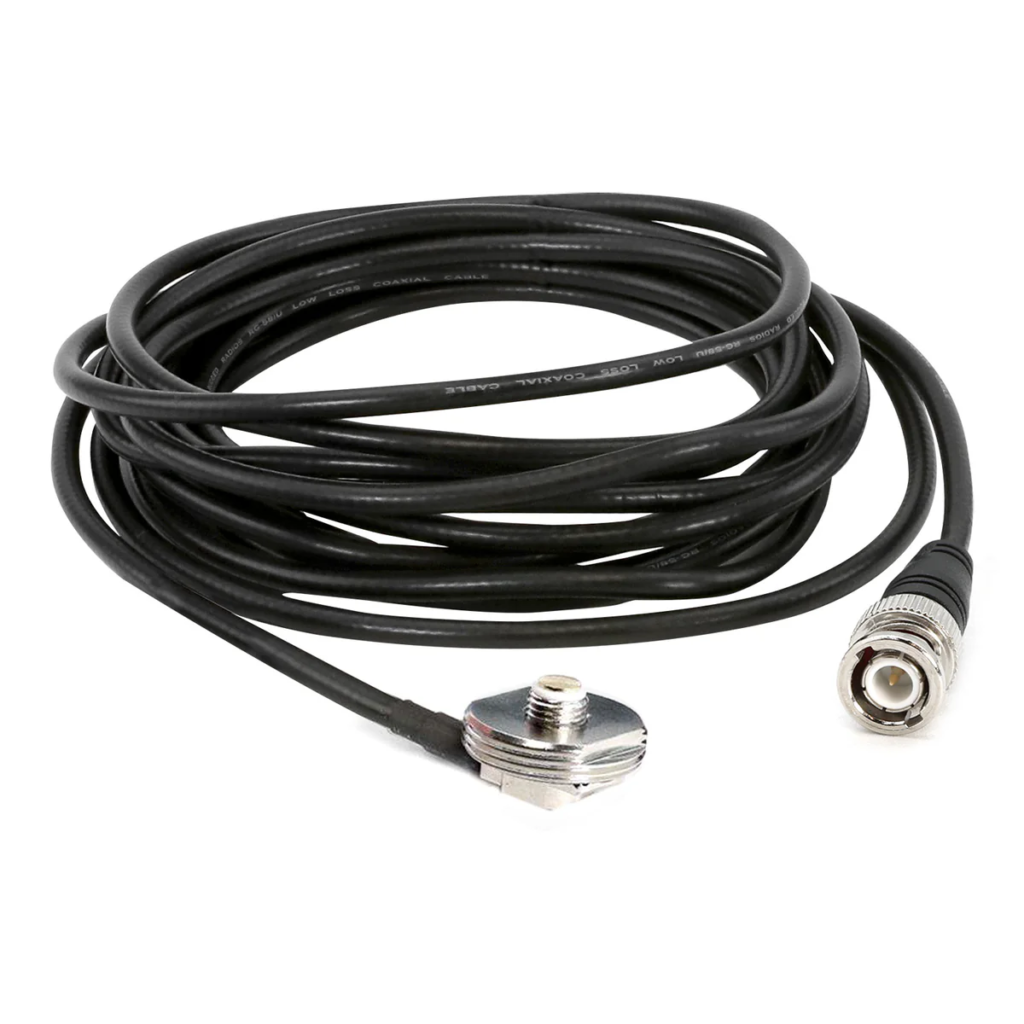
Coaxial Connectors
Coaxial Connectors are essential in electronic systems where signal strength, consistency, and protection are critical. In RF, communication, broadcast, and testing environments, even a small weakness at the connection point can affect the performance of the entire setup. That is why these components are widely used in applications that depend on clear and uninterrupted transmission.
Modern equipment is expected to deliver fast, stable, and accurate performance. This places more pressure on every part of the signal path, including the connector. A well designed interface helps maintain continuity between the cable and the device while reducing the risk of signal leakage, noise, and mechanical failure. In many industries, that reliability is a basic requirement rather than an added benefit.
What Are Coaxial Connectors?
Coaxial Connectors are specialised connectors designed for use with coaxial cable. Their purpose is to link cables to devices or other cables while preserving the cable structure that protects the signal. A coaxial cable includes a centre conductor, insulation, metallic shielding, and an outer jacket. The connector must continue this arrangement as accurately as possible at the point of connection.
This controlled structure allows the signal to pass with less interference and lower distortion. Unlike standard connectors, these products are built for environments where frequency performance and shielding quality directly affect results. Their design supports both electrical efficiency and physical durability, which is why they are trusted in demanding systems.
How Do These Connectors Support Signal Performance?
Signal performance depends on more than the cable itself. The connection point must also maintain stable electrical conditions. If the transition is poorly designed, signal reflections, losses, and interference may occur. Coaxial Connectors help prevent this by supporting a continuous path for both the signal and the shielding.
Key performance benefits include:
- Improved signal integrity
- Reduced electromagnetic interference
- Better impedance consistency
- Lower risk of signal leakage
- Secure physical connection
- Reliable operation in repeated use
These advantages are especially valuable in systems where precision and stability are essential for daily performance.
Where Are Coaxial Connectors Commonly Used?
Coaxial Connectors are used across a wide range of sectors because many technologies rely on protected signal transmission. Their ability to support high frequency applications makes them suitable for both routine and advanced installations.
Telecommunications and Wireless Infrastructure
Communication systems require dependable transmission between antennas, radios, and network equipment. Connectors in these setups must support continuous performance while limiting disruption from outside interference.
Broadcasting and Video Systems
Video and broadcasting equipment depend on signal clarity. In these applications, the right connection helps maintain consistent output quality and supports reliable transmission across linked devices.
Test and Measurement Equipment
Laboratory instruments and diagnostic tools must provide accurate readings. Stable connectivity helps protect the integrity of measurements, especially when systems operate at higher frequencies.
Aerospace and Defence Applications
These industries demand strong mechanical reliability as well as dependable electrical performance. Connectors used in such environments often need to resist vibration, environmental stress, and long term wear.
Industrial Monitoring and Control
Factories and control systems rely on steady communication between devices. In these conditions, connector durability and signal stability can influence both productivity and safety.
Common Types of Coaxial Connectors
Different applications require different connector styles, sizes, and coupling methods. Selection depends on frequency range, installation conditions, and the level of physical security needed.
BNC Connectors
BNC connectors are widely used in testing, communication, and video applications. Their bayonet coupling allows quick connection and removal, making them practical where convenience is important.
SMA Connectors
SMA types are popular in RF and microwave applications. Their compact size and threaded interface make them suitable for systems where precision and space efficiency matter.
TNC Connectors
TNC connectors offer a threaded coupling similar to BNC in function but with added mechanical security. They are often chosen for environments where movement or vibration may affect performance.
N Type Connectors
N Type designs are known for rugged construction and strong outdoor suitability. They are often selected for communication infrastructure, antenna systems, and higher power setups.
F Type Connectors
F Type options are common in television, broadband, and satellite systems. They remain a practical choice for large scale signal distribution in residential and commercial installations.
What Should Buyers Consider Before Selection?
Choosing the right product involves more than matching the cable size. The connector must also suit the technical requirements of the system and the conditions in which it will operate. Coaxial Connectors perform best when the selection process considers both electrical and mechanical factors.
Important points to review include:
- Frequency range of the application
- Required impedance, such as 50 ohm or 75 ohm
- Cable size and compatibility
- Indoor or outdoor installation
- Exposure to moisture, dust, or vibration
- Mating cycle requirements
- Material quality and plating
- Preferred locking or coupling style
Careful selection at the beginning can improve system efficiency and reduce avoidable maintenance problems later.
Why Does Quality Matter in Coaxial Connectors?
Quality has a direct effect on long term performance. Poorly made parts may create weak contact, inconsistent impedance, lower shielding effectiveness, or premature wear. These issues can lead to unstable signals and unnecessary downtime.
High quality Coaxial Connectors are manufactured with tighter tolerances and stronger materials. This helps maintain accurate alignment, better contact, and improved resistance to corrosion or repeated handling. For professional applications, those details can make a major difference in both system reliability and operating cost.
Another important factor is consistency. In large installations, every connection point should perform predictably. When connector quality varies, the entire system can become harder to maintain and troubleshoot. Reliable construction reduces that risk and supports smoother operation over time.
How Do They Contribute to Long Term System Reliability?
Reliable systems are built from reliable components, and connectors are one of the most important of those components. Coaxial Connectors help create a secure pathway that supports stable transmission over long periods. When properly selected and installed, they reduce the chance of failure at one of the most sensitive points in the signal chain.
Their value is not only technical but also practical. Strong connectivity can help reduce service interruptions, improve maintenance efficiency, and support better equipment performance in daily use. This is especially important in critical environments where signal loss or instability can affect output, communication, or measurement accuracy.
Final Thoughts
Coaxial Connectors continue to play a central role in modern electronics because they combine shielding, controlled performance, and dependable mechanical design. From communications and broadcasting to industrial systems and laboratory equipment, they support the reliable transfer of signals where precision matters most.
As technology continues to develop, the need for stronger and more stable connectivity will remain important. Understanding the types, applications, and selection factors behind Coaxial Connectors can help businesses and engineers make better decisions for performance, durability, and long term value.