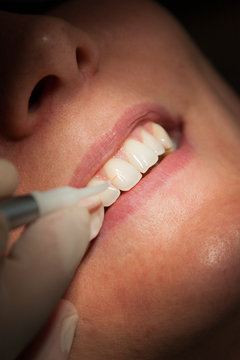
Living with persistent dental discomfort can significantly impact your daily routine, whether you are commuting down Plenty Road, studying at La Trobe University, or spending time with family in the leafy parks of Bundoora. When deep tooth pain strikes, it is often a sign that the living tissue inside your tooth has become compromised. Seeking root canal treatment in Bundoora at the right time can help preserve your natural tooth while restoring your comfort and confidence. While the term endodontic therapy can sometimes cause anxiety, modern dentistry has turned this essential dental process into a straightforward, comfortable, and highly successful method for salvaging a tooth that might otherwise require complete removal.
Preserving your original teeth should always be a primary goal for long-term oral health. This comprehensive guide explores why saving your tooth matters, what the endodontic process involves, and how accessing local dental care right here in Bundoora can restore your oral health and well-being.
Understanding Your Tooth Anatomy and the Source of Pain
To appreciate why this dental intervention is necessary, it helps to understand what a tooth looks like beneath its hard outer surface. The white exterior you see when you smile is the enamel, which is underlaid by a supportive layer called dentin. Deep beneath these protective layers lies a hollow space within the center of each root, known as the pulp chamber.
This central space contains vital soft tissues, including specialized blood vessels and nerve fibers that help the tooth grow during its early development. Once a tooth has fully matured, however, the nerve inside is no longer essential for its day-to-day survival; its primary ongoing function is sensory, allowing you to feel sensations of temperature.
When deep dental decay, extensive cracking, physical trauma, or repeated dental procedures breach the protective enamel and dentin layers, oral bacteria gain access to this delicate internal environment. The body naturally responds to this bacterial invasion with inflammation, but because the soft tissues are trapped inside a rigid container, the internal pressure rises. This pressure cuts off the tiny blood vessels supplying the space, causing the inner tissues to break down. This internal deterioration is what ultimately produces severe, throbbing pain or lingering sensitivity when you consume refreshments.
The Clear Indicators That You Require Endodontic Care
An internal tooth infection can manifest through several noticeable signs. Recognizing these warnings early and seeking a professional consultation at a local clinic can prevent the condition from advancing into a complex dental emergency.
Persistent Throbbing Discomfort
Unlike temporary sensitivity caused by a minor gum irritation, an internal infection typically creates a deep, continuous ache. This discomfort often worsens when you lie down or when pressure is applied directly to the surface while chewing your favorite meals.
Extended Sensitivity to Temperature
If you feel a sharp pang when enjoying a cold beverage or a warm coffee at a local cafe, and that sensation lingers for several minutes after the beverage is gone, it indicates that the nerve fibers are highly inflamed and failing to recover.
Structural Changes and Color Changes
A tooth that has suffered internal damage may gradually change color, turning a grayish or dark hue. This occurs because the breakdown of internal tissues stains the internal dentin structure from within, similar to a deep bruise.
Swelling and Tenderness in Nearby Soft Tissues
An untreated infection inside the root can eventually travel out through the tiny opening at the bottom of the root structure, entering the surrounding bone. This can lead to localized swelling in your gums, tenderness when you press on the area, or even the formation of a small, pimple-like bump on the gum tissue.
Why Choosing Restoration Is Superior to Extraction
When faced with a severely damaged tooth, individuals occasionally wonder if it would be simpler or more cost-effective to have the tooth removed entirely. However, dental professionals consistently recommend saving the natural structure whenever possible, as a complete extraction introduces a new set of long-term oral challenges.
When a tooth is removed, an empty space is left behind in the dental arch. Over time, the neighboring teeth will naturally tilt and shift into this gap, altering your natural bite alignment. This misalignment can lead to uneven wear on your remaining teeth, increased strain on your jaw joints, and greater difficulty maintaining clean surfaces, which elevates the risk of future decay.
Additionally, replacing a missing tooth requires investing in restorative options such as dental bridges or dental implants. While modern tooth replacements are highly advanced, they require more extensive treatment timelines and a higher overall financial investment than preserving your existing tooth structure. By opting for endodontic care, you retain your natural chewing capabilities, maintain proper jaw alignment, and keep your authentic smile intact.
Step by Step Through the Modern Clinical Process
Modern dental clinics use highly precise techniques to ensure your comfort throughout the care timeline. The procedure is typically broken down into a series of coordinated steps designed to eliminate bacteria and safeguard the tooth structure.
1. Detailed Diagnostics and Imaging
The process begins with a comprehensive oral evaluation. Your dental practitioner will utilize digital imaging to capture detailed views of the roots and surrounding bone. These images reveal the exact shape of the internal channels and help identify the location of any localized inflammation at the base of the root.
2. Achieving Complete Numbing and Isolation
Before any work begins, a local anesthetic is carefully administered to fully numb the tooth and the surrounding tissues. Modern numbing techniques are incredibly effective, ensuring that the experience is no more uncomfortable than receiving a standard dental filling. Once the area is completely numb, a protective sheet is placed over the area to keep the tooth dry, clean, and isolated from your saliva during the process.
3. Creating Access and Cleaning the Channels
A small, precise opening is created in the top surface of the crown to reach the inner chamber. Using highly specialized, flexible instruments, the dental professional meticulously removes the damaged soft tissue from the main chamber and the narrow channels that run down through the roots. The hollow interior is then thoroughly rinsed with specialized cleansing solutions to eliminate bacterial remnants and debris.
4. Shaping and Preparing the Interior
Because these internal pathways are naturally narrow and irregular, they must be gently reshaped. The practitioner utilizes precise instruments to smooth and widen the channels, creating a clean, uniform space that can be successfully filled and sealed later on.
5. Sealing the Internal Space
Once the internal space is completely clean and dry, it must be filled to prevent any future bacterial entry. The channels are filled using a biocompatible, rubber-like material known as gutta-percha. This material is placed along with a specialized adhesive sealer to create a tight, durable barrier within the root system. If the initial infection was particularly extensive, your practitioner may place a temporary soothing medication inside the tooth and schedule a follow-up visit to complete this sealing step once the inflammation has subsided.
The Essential Role of Final Restoration
Completing the internal sealing process is only part of the journey to a fully restored smile. Because a tooth that has undergone an endodontic procedure no longer has an internal blood supply, its remaining structure can become more brittle over time. Additionally, the tooth has often lost a significant portion of its original enamel due to prior decay or structural fracturing.
To protect the remaining tooth from breaking under the immense forces generated by daily chewing, a strong final restoration is required. In some instances involving front teeth with minimal structural loss, a standard filling may be sufficient. However, for the larger molars at the back of your mouth, a full dental crown is highly recommended. A custom-crafted crown acts as a protective cap, completely covering the visible portion of the tooth to redistribute biting forces and ensure long-term functionality.
What to Expect During Your Recovery Journey
Following your appointment, it is entirely normal to experience some mild tenderness or low-level sensitivity in the treated area for a few days. This is generally a response to the pre-existing inflammation in the surrounding tissues rather than the procedure itself.
This minor discomfort is typically easily managed with standard over-the-counter pain relief medications as advised by your dental practitioner. To ensure a smooth recovery, it is wise to avoid biting down directly on hard or crunchy items on that side of your mouth until the permanent crown or final restoration has been securely placed.
Selecting Your Dental Care Team in Bundoora
When addressing a deep dental infection, selecting a local clinic that prioritizes patient comfort, modern dental advancements, and personalized care makes a meaningful difference. Bundoora is home to modern dental practices equipped with state-of-the-art diagnostic imaging and comfortable treatment suites designed to put your mind at ease.
Choosing a local practice means you can access prompt care close to home without the stress of a long commute, which is particularly beneficial if you require a multi-visit treatment plan or need to see an emergency dentist for sudden pain. When choosing a provider, look for a team that takes the time to explain your imaging results, answers your questions clearly, and offers flexible appointment choices to fit your schedule.
Long-Term Maintenance for a Lasting Result
Once your tooth has been fully restored with its protective crown, it can last just as long as your surrounding natural teeth. Endodontic treatments boast a high long-term success rate, often exceeding ninety percent.
However, it is vital to remember that while the interior of the tooth is safe from nerve pain, the outer surfaces and surrounding gum lines are still susceptible to standard decay and gum issues. Maintaining an excellent daily routine of brushing twice a day with fluoride toothpaste and flossing between your teeth remains essential. Pairing your home care with regular professional cleanings and routine dental check-ups at your Bundoora dental clinic will keep your restored smile functioning beautifully for decades to come.
Prompt Action Saves Smiles
If you are currently experiencing persistent tooth sensitivity, minor gum swelling, or an ongoing ache, do not wait for the situation to escalate. An internal tooth infection will not resolve on its own, and seeking early intervention is the key to minimizing discomfort and saving your natural tooth structure. Contacting a dental professional in Bundoora for an initial assessment is the first step toward reclaiming a healthy, pain-free smile.