Travertine Restoration
Travertine is one of the most timeless and elegant natural stones used in homes and commercial spaces. Its warm tones, unique texture, and classic appearance make it a popular choice for floors, countertops, patios, bathrooms, pool decks, and entryways. However, like any natural stone, travertine needs proper care to maintain its beauty. Over time, dirt, stains, scratches, dullness, and surface wear can take away from its natural appeal. This is where professional Travertine Restoration and Cleaning becomes essential.
Travertine is a porous stone, which means it can absorb moisture, spills, and dirt if it is not properly sealed or maintained. Everyday foot traffic, harsh cleaning products, water exposure, and outdoor elements can slowly damage the surface. Many homeowners notice that their travertine begins to look cloudy, uneven, stained, or worn. In some cases, the stone may also develop small holes, chips, or cracks. These issues are common, but they do not always mean the stone needs to be replaced.
Professional restoration can help revive travertine and extend its lifespan. The process usually begins with a detailed inspection to understand the condition of the stone. This includes checking for stains, etching, scratches, grout damage, loose tiles, and areas where the sealant may have worn away. Once the condition is evaluated, the right cleaning and restoration method can be selected.
Deep cleaning is one of the most important parts of travertine care. Regular mopping may remove surface dust, but it often does not reach embedded dirt inside the pores of the stone or grout lines. Professional cleaning uses stone-safe products and equipment designed to remove buildup without damaging the surface. This helps restore a cleaner, fresher, and more natural look.
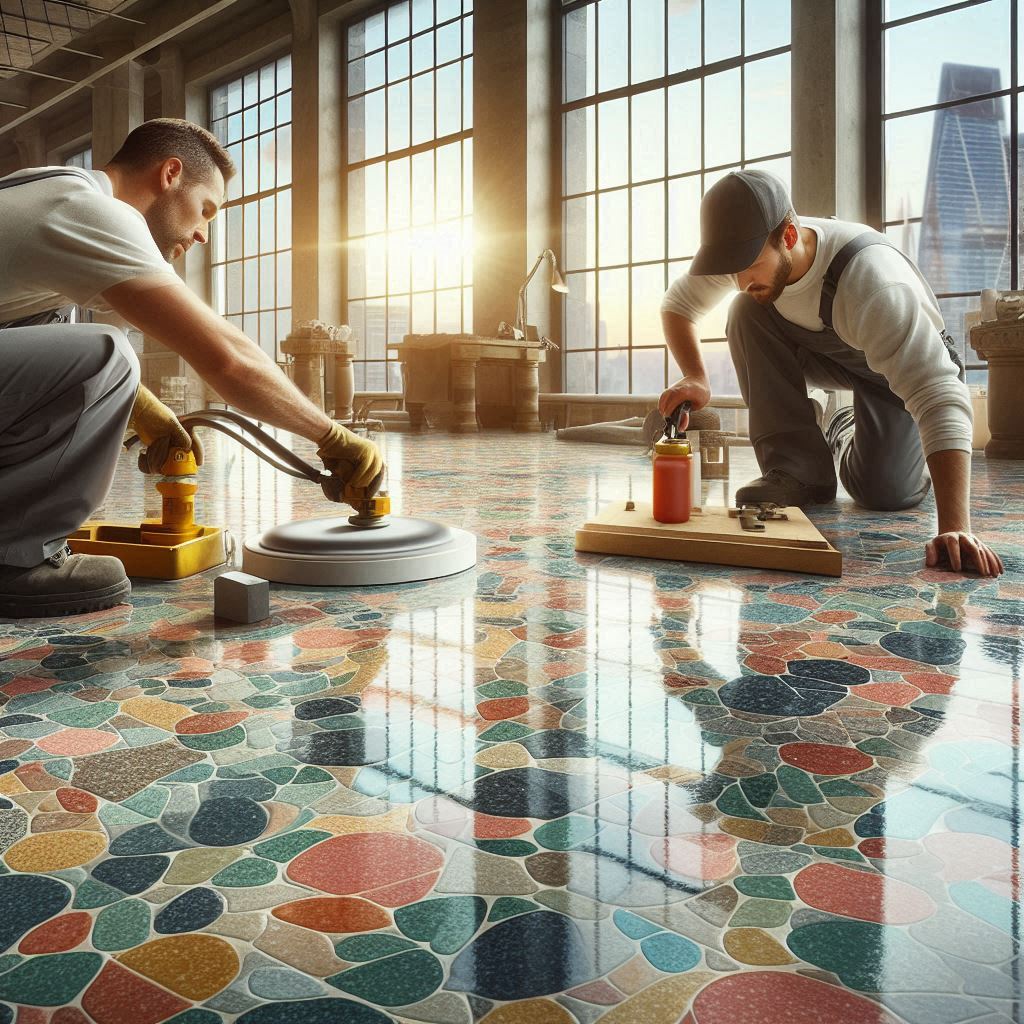
Restoration may also include honing, polishing, filling holes, repairing chips, and sealing. Honing helps remove dullness, light scratches, and etch marks, giving the stone a smooth and even finish. Polishing can bring back shine depending on the desired look, whether the owner prefers a matte, satin, or glossy appearance. Filling holes is especially important for travertine because the stone naturally contains small voids. When these openings become larger or collect dirt, they can make the surface look aged and neglected.
Sealing is another key step in Travertine Restoration and Cleaning. A quality sealer helps protect the stone from stains, moisture, and daily wear. While sealing does not make travertine completely stain-proof, it creates a protective barrier that makes maintenance easier and reduces the risk of long-term damage. For high-traffic areas, sealing should be done regularly to keep the stone protected.
Proper maintenance after restoration is just as important. Homeowners should avoid acidic cleaners, vinegar, bleach, and harsh chemicals, as these can etch or discolor travertine. Instead, pH-neutral stone cleaners are recommended. Spills should be wiped quickly, especially liquids like coffee, wine, juice, or oil. Using rugs, mats, and furniture pads can also help prevent scratches and wear.
Travertine adds natural character and value to any space, but it needs the right care to stay beautiful. Replacing natural stone can be expensive and unnecessary when restoration can often deliver impressive results. With professional cleaning, repair, polishing, and sealing, worn travertine can regain its original charm.
For property owners who want to protect their investment and refresh the look of their stone surfaces, Travertine Restoration and Cleaning is a smart and practical solution. It not only improves appearance but also helps preserve the strength, elegance, and durability of travertine for years to come.