In today’s financial landscape, understanding the nuances of banking transactions is essential. One such term that often arises is the “cancelled cheque,” which plays a crucial role in various financial dealings. In this article, we will delve into what is cancelled cheque is, how to write one, and where it is typically used. Moreover, we’ll address the credit rating meaning, which often intertwines with banking procedures.
What is a cancelled cheque?
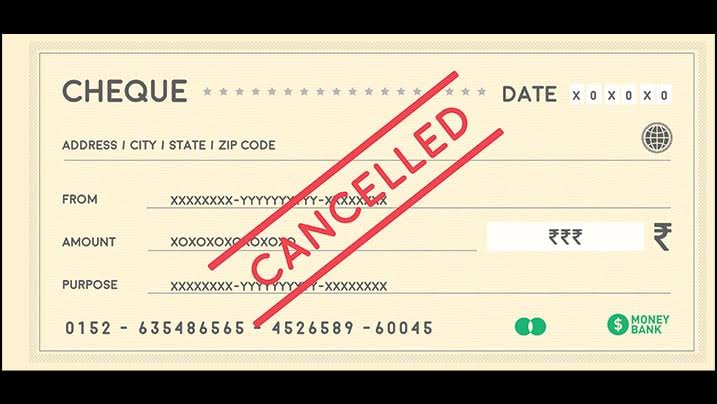
What is cancelled cheque? A cancelled cheque is essentially a cheque that has been voided. This means that it cannot be used for making payments. The issuer of the cheque marks it as “cancelled” to prevent it from being encashed. Typically, a cancelled cheque carries the words “Cancelled” across the face of the cheque, along with the date and signature of the cheque writer.
Importance of a cancelled cheque
- Identification: A cancelled cheque serves as a proof of your bank details, including your account number and bank branch.
- Direct Transfers: It is often required for auto-debits, electronic fund transfers, or setting up payments for bills and loans.
- KYC Compliance: Financial institutions frequently request a cancelled cheque as part of their Know Your Customer (KYC) regulations.
How to write a cancelled cheque
Writing a cancelled cheque is simple. Here’s a step-by-step guide:
- Take a Blank Cheque: Get a blank cheque from your cheque book.
- Void the Cheque: Write “Cancelled” in large letters across the cheque’s face.
- Date the Cheque: Add the current date to the cheque.
- Signature: Sign the cheque as you usually would, acknowledging that it has been cancelled.
- Provide Additional Details: Optionally, you may add a note mentioning why it’s being cancelled.
Tips for creating a cancelled cheque
- Ensure that the cancellation is clear and legible.
- Keep a copy for your records.
- Use a black or blue pen to maintain clarity.
Where is a cancelled cheque used?
Cancelled cheques have several applications in personal and corporate finance:
- Banking Applications: When applying for a new bank account, banks may request a cancelled cheque for verification of your account details.
- Loan Applications: Lenders often ask for a cancelled cheque to process loans and to set up EMI payments.
- Investment Transactions: Mutual funds and stock market transactions typically require a cancelled cheque to initiate Direct Debit facilities.
- Insurance Policies: Many insurance companies ask for a cancelled cheque when setting up premium payments.
Understanding credit rating meaning
While we’re discussing banking tools and processes, it’s important to touch upon credit ratings. A credit rating is a numerical expression of your creditworthiness, derived from credit history. It plays a crucial role in determining your eligibility for loans and credit cards. A good credit rating can make it easier to obtain loans and may even lead to better interest rates, while a low credit rating could limit your financial options.
Factors Affecting Your Credit Rating
- Payment History: Timely payments boost your score, while missed payments can drag it down.
- Credit Utilization: Keeping your credit usage below 30% of your available credit improves your rating.
- Length of Credit History: A longer credit history is more favorable.
- Types of Credit Used: A mix of credit types (credit cards, mortgages, personal loans) can enhance your score.
Conclusion
In conclusion, understanding what a cancelled cheque is, how to write one, and where it is used is essential for managing financial transactions effectively. Alongside this knowledge, being aware of your credit rating meaning will better equip you for navigating the financial world.
With the right tools and insights, you can manage your finances better and ensure that you’re always prepared for any financial obligations. If you need to make significant purchases, consider utilizing financing options like the Bajaj Finance Insta EMI Card.
How to buy a product using the Bajaj Finance Insta EMI Card
- Visit a Bajaj Finance Partner Store.
- Choose your preferred brand and model.
- Select a suitable Easy EMI plan.
- Complete your purchase using the EMI Network Card.
FAQs
Q1: Can I use a cancelled cheque for online transactions?
A1: No, a cancelled cheque cannot be used for making payments but serves as proof of account details.
Q2: Is a cancelled cheque the same as a stop payment cheque?
A2: No, a cancelled cheque is voided for all transactions while a stop payment cheque is specifically for preventing a single payment.
Q3: How do I get a cancelled cheque?
A3: You can write one using your existing cheque book by following the guidelines mentioned above.
Q4: What should I do if I lose my cancelled cheque?
A4: If you lose a cancelled cheque, inform your bank to revoke any potential risks, and consider getting a new cancellation for extra safety.
With a thorough understanding of the cancelled cheque and credit ratings, you can enhance your financial literacy and security. For further inquiries or financial guidance, don’t hesitate to reach out.