Veterans, firefighters, paramedics, police officers, dispatchers, and emergency medical teams often carry trauma long after the crisis ends. Nightmares, hypervigilance, emotional numbness, panic, anger, and isolation can become part of daily life. While therapy and medication help many people, access is not always simple. Long waitlists, unpredictable shifts, stigma, and fear of being seen as “unfit” can keep resilient people from getting support.
Here’s why many are learning about monitored at-home ketamine options as another possible tool for PTSD recovery.
The Hidden Barriers to Getting Help
For veterans, care may involve VA scheduling delays, transportation challenges, provider shortages, or difficulty finding trauma-informed support. Some live far from specialty clinics. Others feel exhausted by paperwork, referrals, and repeated retelling of painful events.
First responders face a different but equally heavy burden. Shift work, mandatory overtime, public expectations, and workplace culture can make regular appointments difficult. Many worry that asking for help could affect their reputation, role, or career path. Even when counseling is available, stigma can silence people trained to stay calm under pressure.
Why Home-Based Care Matters
Home based ketamine treatment gives eligible patients a way to access care without repeated clinic visits. Through a structured telehealth program, patients can complete an intake, meet with a licensed provider, discuss medical history, and receive guidance from home. This can make treatment more practical for people who work nights, rotate shifts, or live outside major cities.
For some, privacy is just as important as convenience. Being able to receive care discreetly may reduce the fear of being recognized in a waiting room. Options such as at-home ketamine therapy in Arizona can help patients explore support while staying connected to licensed clinical oversight.
How At-Home Ketamine Programs Work
Legitimate online ketamine treatment does not mean casual access or unsupervised use. A responsible program should include medical screening, mental health evaluation, medication review, safety education, dosing instructions, and follow-up. Providers assess whether ketamine is appropriate and whether the patient has a safe home environment for sessions.
Many programs use ketamine troche therapy, which involves dissolvable medication taken as directed. Patients may be instructed to have a calm setting, avoid driving afterward, and follow specific preparation and integration steps. Ongoing check-ins help track mood changes, side effects, sleep, and functional improvement.
What Early Outcomes Can Look Like
Some patients report reduced emotional heaviness, fewer intrusive thoughts, improved sleep, and more openness during therapy or self-reflection. Others describe a temporary “pause” in rigid trauma patterns, giving them space to process memories differently. For people who feel stuck after years of traditional treatment, that shift can feel meaningful.
However, ketamine is not a guaranteed cure. Results vary, and PTSD recovery usually requires more than medication alone. Counseling, peer support, sleep care, movement, stress management, and healthy routines still matter. Ketamine may help create a window for healing, but support helps patients use that window well.
Safety, Screening, and Realistic Expectations

Veterans and first responders deserve care that respects both their strength and their risk factors. Proper screening should consider blood pressure, heart history, substance use, psychosis, mania, medication interactions, and suicide risk. Patients with unstable symptoms may need urgent or in-person care instead of at-home treatment.
Cost is another concern. Affordable at-home ketamine therapy can make access easier, but patients should still choose programs based on clinical standards, not price alone. They should ask whether licensed providers are involved, whether pharmacies are legitimate, and how emergencies or side effects are handled.
Avoiding Unsafe Online Sources
Because ketamine is a controlled medication, buying ketamine online from unverified sellers is dangerous and illegal. Products may be counterfeit, contaminated, incorrectly dosed, or completely different from what is advertised. Veterans and first responders should only use ketamine when prescribed after evaluation by a licensed clinician.
Safe care includes transparency, documentation, instructions, and follow-up. If a website promises instant approval without screening, avoids provider contact, or focuses only on checkout, that is a red flag. Trauma recovery deserves medical care, not guesswork. This balanced approach can make treatment feel less intimidating for people trained to handle crises alone, often in silence.
A More Accessible Path to Recovery
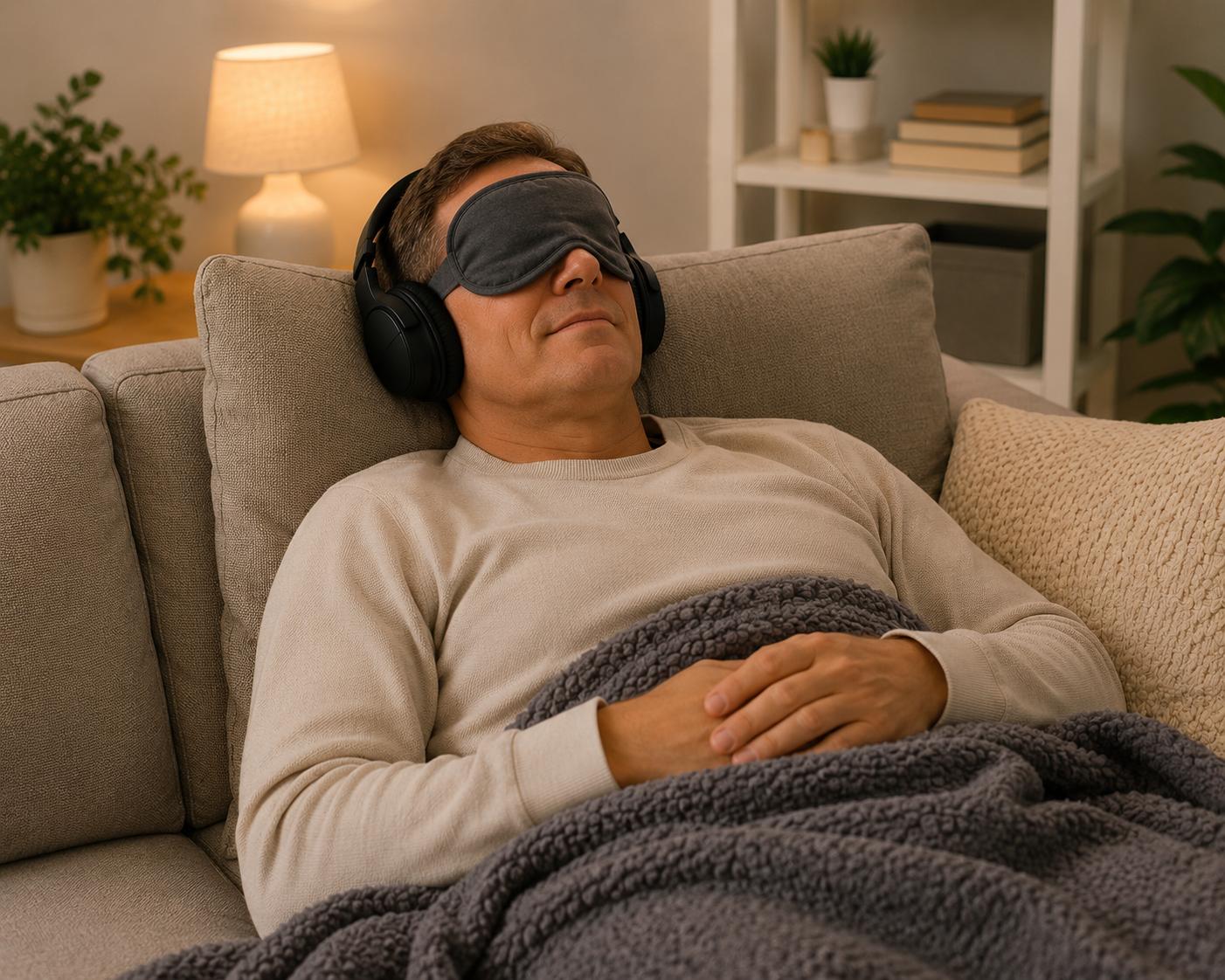
DaytrypRX offers at-home ketamine therapy in Arizona for eligible patients seeking discreet, provider-guided mental health support from home. Its telehealth model helps reduce barriers through online evaluations, convenient access, and ongoing care coordination. DaytrypRX also supports broader wellness goals with options such as hair force one medication, tirzepatide oral tablets, and information on testosterone cypionate injection for sale when clinically appropriate.
Contact them today to explore supervised treatment options designed around your life, health, and recovery needs with confidence.
About the Author
The author is a mental health writer who creates educational content for wellness, telehealth, and advocacy audiences. Her work focuses on trauma-informed communication, patient access, responsible treatment options, and practical guidance for people seeking clearer, safer paths to emotional recovery and families alike.