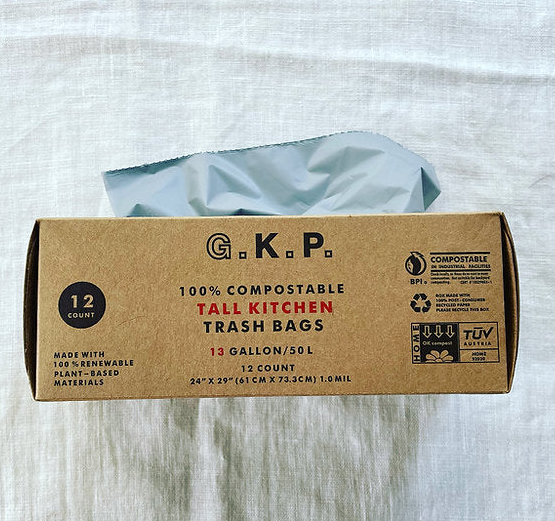
As environmental awareness continues to grow, more people are looking for ways to reduce plastic pollution in everyday life. One of the most effective and practical solutions is the use of compostable trash bags, designed to break down naturally and support eco-friendly waste management systems.
The increasing demand for compostable trash bags reflects a global shift toward sustainable living and responsible consumption, especially in households and businesses that generate significant daily waste.
What Are Compostable Trash Bags?
Compostable trash bags are waste disposal bags made from plant-based materials such as cornstarch, vegetable oils, and other renewable resources. Unlike traditional plastic bags, they are designed to decompose into natural elements under composting conditions.
These bags break down into water, carbon dioxide, and organic matter without leaving harmful microplastics or toxic residues behind.
Why Compostable Trash Bags Are Important
Conventional plastic trash bags can take hundreds of years to decompose, contributing heavily to environmental pollution. They often end up in landfills or oceans, harming wildlife and ecosystems.
Compostable trash bags provide an eco-friendly alternative that reduces long-term environmental damage and supports a circular waste system.
Key Benefits of Compostable Trash Bags
Environmentally Friendly
Made from renewable plant-based materials, compostable trash bags help reduce reliance on fossil fuels.
Reduces Plastic Waste
They significantly cut down the amount of non-biodegradable waste entering landfills.
Safe Breakdown Process
These bags decompose into non-toxic components that are safe for soil and water.
Supports Sustainable Living
Using compostable bags encourages responsible consumption habits.
Odor Control
Many compostable bags help contain odors, especially for kitchen waste.
Materials Used in Compostable Trash Bags
Cornstarch-Based Polymers
A common renewable material that breaks down easily in composting conditions.
PLA (Polylactic Acid)
Derived from plant sugars, PLA is widely used in eco-friendly packaging.
PBAT (Polybutylene Adipate Terephthalate)
A biodegradable polymer that adds flexibility and strength.
Plant Oils
Natural oils improve durability and compostability.
Compostable vs Biodegradable Trash Bags
Compostable Trash Bags
- Fully break down into natural elements
- Leave no toxic residue
- Require composting conditions
- Environmentally certified
Biodegradable Trash Bags
- Break down over time
- May leave residues
- Not always fully eco-safe
- Vary in decomposition quality
How Compostable Trash Bags Work
These bags decompose through microbial activity in composting environments. Heat, moisture, and oxygen help break down materials into organic components that return to the soil.
Industrial composting facilities provide ideal conditions, though some bags are also suitable for home composting depending on certification.
Common Uses of Compostable Trash Bags
Kitchen Waste
Ideal for food scraps and organic household waste.
Office Waste
Used in workplaces promoting eco-friendly practices.
Garden Waste
Suitable for leaves, grass clippings, and biodegradable materials.
Household General Waste
A sustainable option for everyday trash disposal.
Benefits of Using Compostable Trash Bags
Reduces Landfill Waste
Helps minimize the volume of long-lasting plastic waste.
Eco-Friendly Disposal
Breaks down naturally without harming ecosystems.
Safer for Wildlife
Unlike plastic bags, they do not pose long-term threats to animals.
Lower Environmental Impact
Produced from renewable resources with reduced carbon footprint.
How to Choose Compostable Trash Bags
Check Certifications
Look for standards like ASTM D6400 or EN 13432.
Consider Strength
Ensure the bag can handle your waste load without tearing.
Choose Right Size
Select appropriate sizes for kitchen or outdoor bins.
Odor Resistance
Some bags offer better odor control for food waste.
Proper Disposal Methods
Use Composting Facilities
Industrial composting ensures proper breakdown conditions.
Home Composting (If Approved)
Only use bags labeled safe for home compost systems.
Avoid Mixing with Plastics
Do not dispose of compostable bags in regular plastic recycling bins.
Challenges of Compostable Trash Bags
Limited Composting Infrastructure
Not all regions have access to composting facilities.
Higher Cost
They are generally more expensive than plastic bags.
Storage Sensitivity
Exposure to heat or moisture can affect durability.
Future of Compostable Trash Bags
As sustainability becomes a global priority, compostable trash bags are expected to become more widely adopted. Innovations in materials are making them stronger, more affordable, and easier to compost in different environments.
Governments and industries are also encouraging the shift toward eco-friendly alternatives to reduce plastic pollution.
Conclusion
Compostable trash bags are an effective and environmentally responsible alternative to traditional plastic waste bags. They help reduce pollution, support sustainable waste management, and promote a greener lifestyle.
By switching to compostable trash bags, individuals and businesses can take an important step toward protecting the environment and building a more sustainable future.