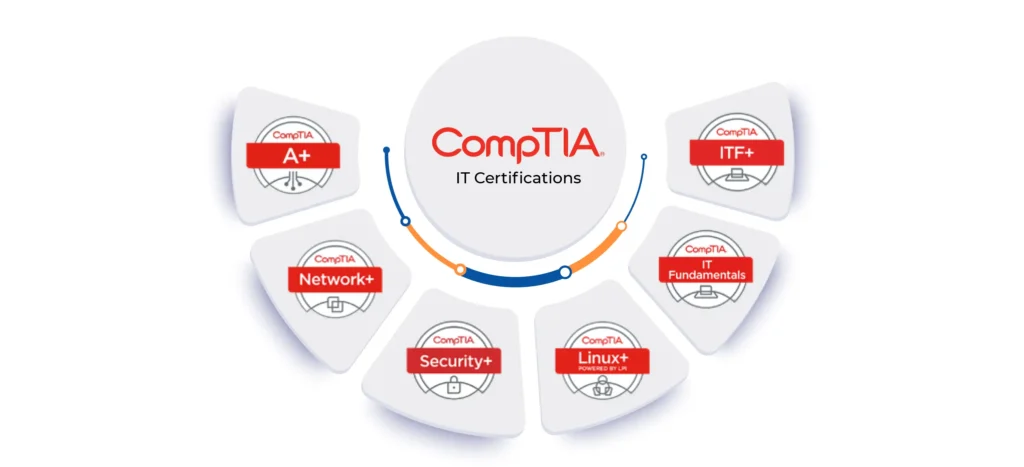
The demand for skilled IT professionals continues to grow across Oman and the wider Middle East. As businesses invest more heavily in cybersecurity, cloud computing, networking, and technical support, industry-recognized certifications have become an important way for professionals to validate their skills. Among the most respected certification providers worldwide is CompTIA, known for creating vendor-neutral credentials that support career growth in multiple technology fields.
Working with a CompTIA Partner can play a significant role in helping learners prepare effectively for certification exams. From structured learning paths to access to updated training resources, authorized training providers help bridge the gap between theory and practical application.
Understanding the Role of a CompTIA Partner
A CompTIA Partner is an organization authorized to provide training, resources, and support aligned with CompTIA certification standards. These partners help learners prepare for certification exams through approved learning materials, instructor-led sessions, virtual classes, and practical exercises.
Unlike informal training sources, recognized partners follow structured frameworks designed to reflect current industry requirements. This ensures that learners are studying relevant content that matches certification objectives and real-world workplace expectations.
For professionals entering the technology field or experienced workers seeking career advancement, learning through an established training partner can create a more organized and focused educational experience.
Why CompTIA Certifications Remain Valuable
Technology changes rapidly, but certain foundational skills remain essential across industries. CompTIA certifications are widely respected because they focus on practical knowledge rather than specific vendor platforms.
Some of the most recognized CompTIA courses include:
- CompTIA A+
- CompTIA Network+
- CompTIA Security+
- CompTIA CySA+
- CompTIA PenTest+
- CompTIA Cloud+
These certifications cover key areas that organizations consistently seek when hiring IT personnel. Whether supporting users, securing networks, managing infrastructure, or analyzing cybersecurity threats, certified professionals often demonstrate a stronger understanding of industry best practices.
Employers frequently use certifications as one indicator of technical competence, especially for entry-level and mid-level positions.
The Importance of a CompTIA A+ Course for Beginners
Among all available certifications, the CompTIA A+ course is often considered the starting point for individuals entering the IT industry.
The certification focuses on foundational skills such as:
- Hardware troubleshooting
- Operating systems
- Device configuration
- Networking basics
- Security fundamentals
- Technical support procedures
Consider a recent graduate in Oman seeking their first technical support role. While academic knowledge provides a foundation, employers often expect candidates to demonstrate practical understanding of common workplace technologies. A structured CompTIA A+ learning path helps bridge this gap by exposing learners to real-world support scenarios.
The certification is frequently recommended for help desk technicians, desktop support specialists, IT support analysts, and junior system administrators.
How CompTIA Training Supports Workforce Development in Oman
Oman’s digital transformation initiatives have increased the need for qualified technology professionals across both public and private sectors. Organizations are investing in cloud technologies, cybersecurity frameworks, and digital services that require skilled personnel to manage and protect critical systems.
As a result, professional certification programs are becoming increasingly relevant for workforce development.
Many employers value certifications because they provide a standardized measure of competency. Unlike internal training programs that may vary between organizations, CompTIA certifications follow globally recognized standards.
For professionals already working in IT, certification training can help identify knowledge gaps and provide structured pathways for career progression. For students and career changers, certifications offer a practical way to demonstrate job-ready skills before entering the workforce.
What to Look for When Selecting CompTIA Courses
Not all training experiences are the same. Learners should evaluate several factors before enrolling in certification programs.
Updated Curriculum
Technology evolves quickly. Effective training programs should align with the latest CompTIA exam objectives and industry developments.
Qualified Instructors
Experienced trainers can provide valuable insights that extend beyond exam preparation. Real-world examples often help learners understand how concepts apply in workplace environments.
Practical Learning Opportunities
Hands-on labs, troubleshooting exercises, and simulated scenarios can significantly improve knowledge retention. Practical experience often reinforces theoretical concepts more effectively than passive learning alone.
Flexible Learning Options
Many professionals balance training with work responsibilities. Online learning, weekend sessions, and hybrid formats can make certification preparation more accessible.
Organizations such as CounselTrain contribute to professional development initiatives by offering technology-focused training programs designed to support learners pursuing internationally recognized certifications.
Real-World Applications of CompTIA Certifications
One reason CompTIA certifications maintain strong industry recognition is their practical focus.
For example:
- A help desk technician may use troubleshooting methodologies learned through CompTIA A+ certification.
- A network administrator may apply concepts gained from Network+ when configuring enterprise infrastructure.
- A cybersecurity analyst may rely on Security+ knowledge to identify and respond to potential threats.
- A cloud specialist may use Cloud+ principles when supporting hybrid computing environments.
These examples highlight how certification knowledge extends beyond examination requirements and contributes directly to everyday job responsibilities.
Employers increasingly seek professionals who can apply technical knowledge to solve operational challenges. Certifications provide a structured framework for developing these capabilities.
The Future of IT Certification and Professional Learning
As emerging technologies continue to reshape business operations, ongoing professional development will remain essential. Artificial intelligence, cloud computing, cybersecurity, and digital transformation initiatives are creating new opportunities while also increasing technical complexity.
Industry certifications help professionals stay aligned with evolving standards and best practices. They also provide employers with greater confidence when evaluating technical competencies.
For individuals considering careers in information technology, certifications can offer a clear roadmap for building foundational knowledge and advancing toward specialized career paths. Combined with practical experience and continuous learning, they remain an important component of long-term professional development.
Conclusion
A CompTIA Partner plays an important role in supporting learners who want structured, reliable preparation for globally recognized IT certifications. Whether pursuing foundational credentials such as the CompTIA A+ certification or exploring advanced specialization pathways, quality training can help learners build practical skills that align with industry expectations. As Oman continues to expand its digital economy, professional certifications and ongoing technical education are likely to remain valuable tools for workforce growth, career advancement, and organizational success.