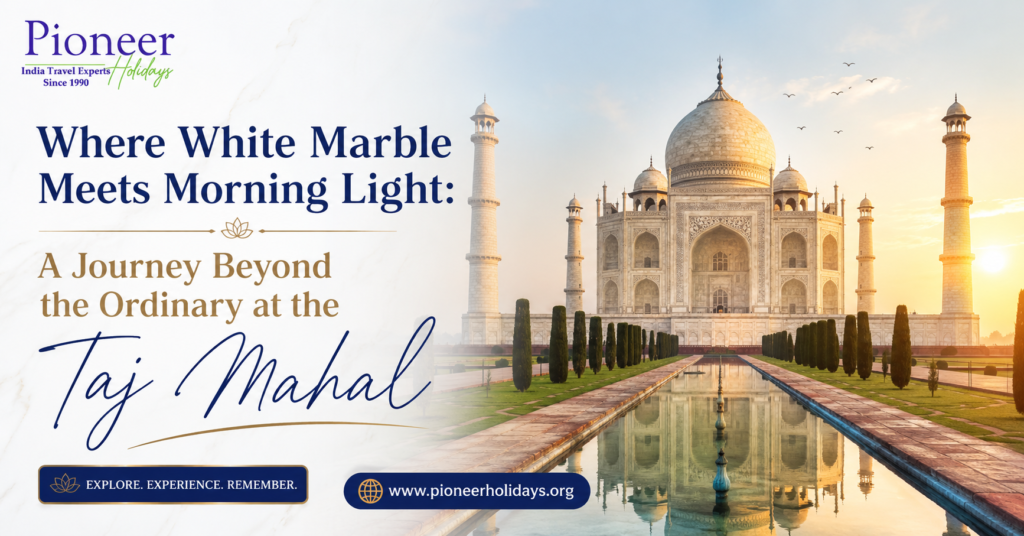
India is a country filled with history, colors, traditions, and unforgettable landmarks. Among all its wonders, the Taj Mahal stands as one of the most admired monuments in the world. Every year, millions of travelers visit Agra to witness its beauty with their own eyes. Photographs can capture its shape, but they can never fully capture the feeling of standing in front of it for the first time.
For many travelers, visiting the Taj Mahal is more than just sightseeing. It is a moment that stays in memory for years. The peaceful gardens, the detailed marble carvings, and the fascinating love story behind the monument create an experience unlike any other.
This is why Taj Mahal Tours continue to attract visitors from every corner of the world. Whether you are visiting India for the first time or returning to explore more of its heritage, the Taj Mahal remains a destination that never loses its charm.
The Story Behind the Monument
The Taj Mahal was built by Mughal Emperor Shah Jahan in memory of his beloved wife Mumtaz Mahal. Construction began in 1632 and took more than twenty years to complete. The monument was designed as a symbol of love and devotion, and centuries later it continues to inspire people from different cultures and backgrounds.
The white marble structure changes its appearance throughout the day. During sunrise it glows with soft pink shades, while in the afternoon it shines bright under the sun. As evening arrives, the monument reflects golden and silver tones depending on the light.
This changing beauty is one of the reasons travelers often spend hours admiring the monument from different angles.
My First Morning at the Taj Mahal
I still remember arriving in Agra before sunrise. The city was quiet, and the cool morning air made the journey comfortable. As the gates opened and visitors slowly entered the complex, there was a feeling of excitement all around.
The first glimpse of the Taj Mahal through the main gateway was unforgettable. The marble seemed to glow even before the sun fully appeared. People around me stopped talking for a moment, simply looking at the monument in silence.
What surprised me most was the peaceful atmosphere. Despite being one of the world’s most famous attractions, the gardens and pathways created a calm environment. Walking closer revealed details that are impossible to notice in photographs—the delicate floral patterns, marble inlay work, and perfect symmetry.
That morning taught me why so many people consider the Taj Mahal one of the greatest architectural achievements ever created.
Why Travelers Choose Taj Mahal Tours
Many visitors prefer organized tours because they make the journey easier and more enjoyable. A well-planned tour allows travelers to focus on the experience instead of worrying about transportation, tickets, or schedules.
Some advantages include:
- Comfortable transportation
- Professional local guides
- Time-saving itineraries
- Historical insights
- Flexible travel options
- Safe and convenient arrangements
A knowledgeable guide can bring the monument’s history to life by sharing stories that are often missed when traveling independently.
The Best Time to Visit
The Taj Mahal welcomes visitors throughout the year, but some seasons offer a better experience.
October to March
This is considered the most comfortable period due to pleasant weather. The cooler temperatures make sightseeing enjoyable, and the skies are often clear.
April to June
Summer months can be hot, especially during the afternoon. Early morning visits are recommended during this season.
July to September
The monsoon season brings refreshing rain and lush green surroundings. The monument looks beautiful against cloudy skies, creating unique photography opportunities.
Regardless of the season, sunrise remains one of the most magical times to visit.
Sunrise: The Most Memorable View
If there is one recommendation every traveler should follow, it is to visit the Taj Mahal at sunrise.
As daylight slowly appears, the marble surface changes color minute by minute. The crowds are usually smaller, temperatures are cooler, and the atmosphere feels peaceful.
Photographers especially love this time because the soft natural light creates stunning images without harsh shadows.
Many visitors describe sunrise as the moment when the monument feels most alive.
Exploring the Gardens
The gardens surrounding the Taj Mahal are carefully designed according to Mughal architectural principles.
Long pathways, fountains, reflecting pools, and symmetrical landscaping create a sense of balance and harmony. The central water channel provides one of the most famous views of the monument.
Taking a slow walk through these gardens allows visitors to appreciate the planning and vision behind the entire complex.
The Incredible Marble Work
One of the most remarkable features of the Taj Mahal is its marble craftsmanship.
Artists used precious and semi-precious stones to create intricate floral designs within the marble. This technique, known as pietra dura, remains impressive even after centuries.
Looking closely at the walls reveals details that many visitors initially overlook. Flowers, geometric patterns, and calligraphy are carved with extraordinary precision.
These artistic elements transform the monument from a beautiful building into a masterpiece of craftsmanship.
More Than Just the Taj Mahal
A trip to Agra offers several attractions beyond the famous monument.
Agra Fort
This magnificent fort served as a royal residence for Mughal emperors. Its palaces, courtyards, and halls provide insight into imperial life.
Mehtab Bagh
Located across the Yamuna River, this garden offers beautiful views of the Taj Mahal, especially during sunset.
Itmad-ud-Daulah
Often called the “Baby Taj,” this elegant tomb showcases detailed marble work and architectural beauty.
Local Markets
Agra’s markets are known for handicrafts, marble souvenirs, leather products, and traditional sweets.
Exploring these places helps travelers gain a deeper understanding of the city’s rich heritage.
Food Experiences in Agra
No journey is complete without tasting local cuisine.
Popular dishes include:
- Mughlai curries
- Kebabs
- Biryani
- Stuffed breads
- Traditional Indian sweets
Many travelers enjoy combining sightseeing with culinary experiences to create a more complete travel memory.
Planning a Comfortable Journey
When planning your visit, consider:
- Booking tickets in advance
- Arriving early
- Wearing comfortable shoes
- Carrying water
- Keeping a camera ready
- Checking weather conditions beforehand
Small preparations can make a significant difference during your trip.
Traveling with pioneerholidays.org
Many international and domestic travelers choose pioneerholidays.org for organized travel experiences across North India. Their itineraries are designed to make sightseeing comfortable while allowing visitors enough time to truly enjoy each destination.
Whether travelers are looking for a day trip, a private excursion, or a multi-city journey, pioneerholidays.org offers options that help create smooth and memorable travel experiences.
For those planning Taj Mahal Tours, having reliable transportation and knowledgeable local assistance can make the visit even more enjoyable.
A Memory That Lasts Long After the Journey Ends
Some places impress us with their size. Others impress us with their history. The Taj Mahal does both while also creating an emotional connection that is difficult to explain.
Perhaps it is the story of love behind the monument. Perhaps it is the flawless architecture. Or perhaps it is the way sunlight reflects from the marble during the early morning hours.
Whatever the reason, visitors often leave with more than photographs. They leave with memories that stay vivid for years.
Even after traveling to many destinations around the world, countless people still remember their first sight of the Taj Mahal as one of their most special travel moments.
If India is on your travel list, make sure the Taj Mahal is part of your journey. Its beauty, history, and atmosphere continue to inspire travelers generation after generation.
Frequently Asked Questions (FAQs)
1. What is the best time to visit the Taj Mahal?
The best time is between October and March when the weather is pleasant and comfortable for sightseeing.
2. How many hours should I spend at the Taj Mahal?
Most visitors spend around 2 to 4 hours exploring the monument and its gardens.
3. Is sunrise really the best time to visit?
Yes. Sunrise offers cooler temperatures, fewer crowds, and beautiful lighting for photography.
4. Can I visit the Taj Mahal in one day from Delhi?
Yes. Many travelers choose a same-day trip from Delhi to Agra.
5. Are guides available at the monument?
Yes, licensed guides are available and can provide detailed historical information.
6. What should I wear during the visit?
Comfortable clothing and walking shoes are recommended.
7. Is photography allowed?
Yes, photography is allowed in most areas of the complex.
8. What other attractions should I visit in Agra?
Agra Fort, Mehtab Bagh, Itmad-ud-Daulah, and local markets are highly recommended.
9. Are Taj Mahal Tours suitable for families?
Yes. Families, couples, solo travelers, and senior citizens all enjoy visiting the monument.
10. Why is the Taj Mahal considered a wonder of the world?
Its architectural beauty, historical significance, artistic craftsmanship, and timeless story of love make it one of the world’s most admired landmarks.