A pond is more than just a backyard feature—it’s a living ecosystem. Every plant, fish, and even tiny microorganism contributes to its health. For pond owners, keeping the water clear and balanced can feel like a full-time job. The quantity of debris, algae, and fish waste may accumulate at a rapid rate, and unless there is good filtration—and proper maintenance procedures like Aqua dyne Spider Gasket Removal when needed—the pond will be cloudy, unhealthy, and difficult to maintain.
The magic that helps ponds to flourish is filtration. It eliminates waste, stimulates positive bacteria, and maintains the flow of water. The development of brands such as Aquabead has produced solutions that facilitate the maintenance of the pond.
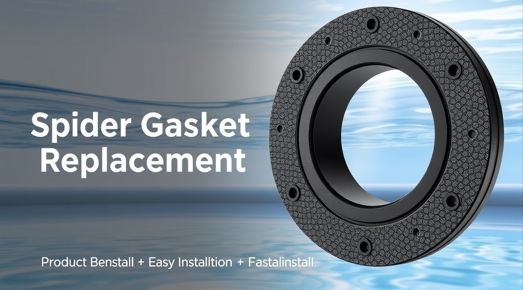
Even small components, like the Aquadyne spider gasket, play a big role. Knowing when and how to perform Aquadyne spider gasket removal can save time, prevent leaks, and keep the pond ecosystem running smoothly.
How Pond Filtration Works?
Pond filtration may seem complicated, but it is actually a combination of simple processes working together. Mechanical filtration traps visible debris such as fallen leaves, leftover fish food, and fish waste. This keeps the water clear and prevents organic matter from decaying at the bottom of the pond.
Biological filtration works quietly in the background. Beneficial bacteria grow on filter media and break down harmful substances, like ammonia and nitrites, turning them into less toxic compounds. This maintains the safety of the pond water for fish and promotes healthy plant development.
Water circulation is a crucial aspect of filtration. Flowing well provides an equal supply of oxygen and aids in the absence of stagnant water, where debris and algae accumulate.
Others, such as the Aquadyne spider gasket, assist in maintaining a close overlay in the filter systems. Carrying out Aquadyne spider gasket removal in instances where the component is wearing down can restore efficiency and avoid leakage of the system, making it reliable. Replacing worn items like the t500 spider gasket is an easy procedure that can increase the life of a filter by a long margin.
Why Filtration is Critical for Pond Health?
Filtration is not just a luxury—it’s essential. Without a filter, ponds can turn green and murky quickly. Waste builds up, oxygen levels drop, and algae can overtake the pond. A good filter supports:
- Clear water that enhances the pond’s beauty and allows for easy observation of fish.
- Safe water chemistry, reducing toxins that can stress or harm fish.
- Stable oxygen levels are vital for fish and plant health.
- Beneficial bacteria grow, maintaining a natural balance in the pond.
Pond owners who invest in proper filtration notice the difference immediately. Fish swim more energetically, plants grow stronger, and the water stays clear even during warm months when algae usually thrive.
Different Types of Pond Filtration Systems
There is no single filter that works for every pond. The right system depends on the pond size, the type of fish, and how much maintenance the owner wants to handle.
1. Standard Pond Filters
These filters work well for small and medium ponds. They remove light debris like leaves and fish waste while also supporting basic biological filtration.
2. Koi Pond Filters
Koi ponds usually have more fish and more waste. These filters are built to handle a heavier load. Many of them include several chambers that catch debris and allow beneficial bacteria to grow.
3. Koi Carp Pond Filters
These systems are designed for serious koi keepers. They manage high waste levels and help maintain stable, clean water for koi, which are sensitive fish that need good water quality.
Small vs. Large Pond Filters: Small ponds benefit from compact, efficient systems; large ponds need high-capacity filters with strong flow.
Gaskets, such as the Aquadyne spider gasket, ensure a tight seal in all these systems. Inspecting and replacing them through Aquadyne spider gasket removal keeps filters performing efficiently and reduces the chance of leaks or water bypass.
Benefits of a Well-Filtered Pond
Besides offering clean, pure water, a high-quality pond filter helps create a healthy and balanced ecological environment. Some of the benefits include:
- Debris is removed from crystal-clear water before it sinks or breaks down.
- Reduced Algae Growth: Limits the nutrients that algae can use and circulates water.
- Healthier Fish: In water free of toxins, fish continue to be active and stress-free.
- Stronger Biological Balance: Beneficial bacteria naturally handle waste and help keep water stable.
Even minor changes, such as swapping out a worn t500 spider gasket, can enhance filter performance. Pond owners often find that after they upgrade or maintain their pond components, the water looks clearer, and taking care of the pond becomes a breeze.
Choosing the Right Filter for Your Pond
Picking the right pond filter starts with understanding the needs of the pond. Every pond is different. Size, fish population, and water movement all affect the type of filter required.
1. Pond Size:
Large ponds need bigger filters. These filters can handle more water and collect more debris from the pond. Smaller ponds usually work well with compact filters designed for lower water volume.
2. Fish Population
Fish create waste as they eat and grow. Ponds with many fish need stronger biological filtration to keep the water clean and balanced.
3. Water Flow
The filter should match the pump’s power. When the pump and filter work together, water keeps moving and does not become stagnant.
4. Check Important Parts
Small parts matter too. Components like the Aqua dyne spider gasket help seal the filter and stop leaks. A good gasket fit keeps the system running smoothly and prevents water from escaping under pressure. When the filter matches the pond’s size and fish load, maintenance becomes much easier. Many pond owners also review product guides and feedback before choosing a filtration system that works best for their pond.
Maintenance Tips for Longer Filter Life
Even a good pond filter needs regular care. Simple maintenance keeps the water healthy and helps avoid expensive repairs.
- Clean the Filter Often: Remove leaves, dirt, and other debris from the filter every week. When cleaning the biological media, rinse it gently so the helpful bacteria are not lost.
- Watch the Water Flow: If the water flow becomes weak, the filter may be clogged or a part may be worn out. Check the system daily to ensure everything is working appropriately.
- Inspect Gaskets and Seals: Remove the Aquadyne spider gasket as needed to ensure a secure seal.
- Upgrade Components When Necessary: Replacing a worn t500 spider gasket is simple and improves overall system performance.
- Small, routine steps can make a huge difference in water clarity and pond health. Pond owners who maintain them consistently rarely encounter major issues.
Pond Owners Often Overlook Tips
- Get Ready for Winter: Before winter comes, clean the filter and check the gaskets. This helps protect the system when temperatures drop, and water starts to freeze.
- Take Care of Pond Plants: Healthy pond plants do more than look nice. They use extra nutrients in the water, which helps slow down algae growth and supports cleaner water.
- Use a Pond Net: Placing a net over the pond can stop leaves, twigs, and other debris from falling into the water. This also reduces the amount of waste that reaches the filter.
Small steps like these help keep the pond clean and balanced. They also make pond care easier during the year.
Making Your Pond a Thriving Sanctuary
Clear water, active fish, and healthy plants all start with proper filtration. Pond enthusiasts who take care of every component—including gaskets like the Aquadyne spider gasket—see long-term benefits.
Advanced filtration solutions from brands like Aquabead support pond health with systems designed for ponds of all sizes.
Regular maintenance, along with tasks like Aquadyne spider gasket removal, ensures the system works efficiently, water stays clear, and algae problems are minimized. Investing in quality filters and keeping up with simple maintenance turns any backyard pond into a thriving, peaceful oasis.
FAQs
1. What does filtering a pond do?
- Filtering removes leaves, dirt, and fish waste from the water. It also helps beneficial bacteria grow, which keeps the water clean and safe for fish.
3. Why are koi pond filters important?
- Koi produce a lot of waste. A strong filter helps keep the water clear, maintains oxygen levels, and keeps the pond environment balanced.
5. How often should pond filters be cleaned?
- Filters should be checked every week for debris. Light cleaning can be done regularly, while a deeper check, including gasket inspection, can be done during seasonal maintenance.
7. What size filter is needed for a pond?
- The filter size depends on how big the pond is and how many fish live in it. Bigger ponds or ponds with more fish usually need a larger, stronger filter.
9. Do small ponds also need filtration?
- Even small ponds need filtration to keep the water clear, control algae, and maintain a healthy space for fish.
11. Can gasket maintenance improve filter performance?
- Replacing worn parts like the t500 spider gasket helps keep the filter sealed properly and improve how the system works.