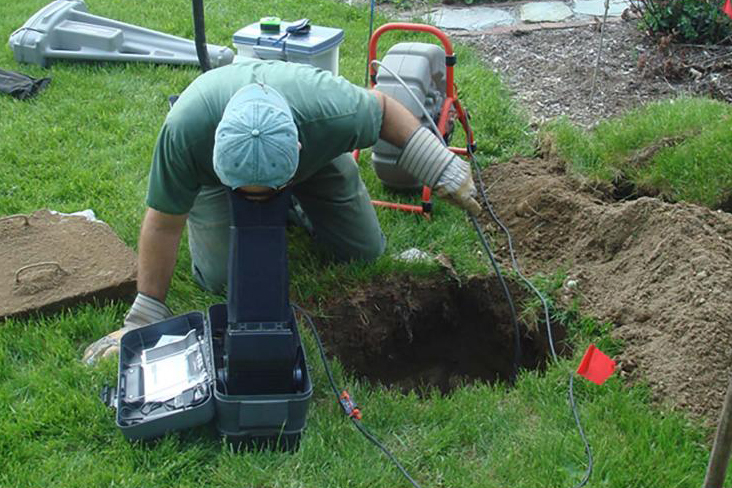
Septic systems are vital for homes without municipal sewage connections, and their longevity depends on proper care. Regular Septic Tank Inspection Services help homeowners identify early signs of wear, leaks, or blockages before they escalate into costly repairs. Consistent inspections ensure that the system operates efficiently, reduces emergency repairs, and extends the overall lifespan of the septic tank. Homeowners who invest in professional inspection services gain peace of mind while protecting their property and health.
Why Timely Septic Tank Inspections Are Crucial
Neglecting septic inspections can lead to overflows, clogs, and drain field failures, causing expensive and disruptive damage. Professionals not only detect hidden problems but also provide solutions that prevent costly emergencies. Regular inspections also help maintain compliance with local health and environmental regulations. By addressing small issues early, homeowners save time, money, and stress, ensuring their septic system functions reliably for decades.
Professional Steps for Septic Tank Inspection Services in Belton
Septic Tank Inspection Services in Belton begin with locating the tank and all key system components. Technicians identify the tank, inlet and outlet pipes, and the drain field to ensure full access during the inspection process. Accurate mapping helps inspectors work safely and efficiently. By using property plans or specialized probing tools, professionals confirm the tank’s size, depth, and orientation before starting a detailed evaluation of its condition and performance.
Access and Safety Preparation
Inspectors open the septic tank access points carefully, following safety protocols to prevent exposure to harmful gases or contaminants. They secure the area, use protective gear, and ensure proper ventilation. This step is critical for both the inspector’s safety and maintaining the integrity of the septic system during inspection.
Sludge and Scum Measurement
Technicians measure the sludge and scum levels using specialized tools, like a sludge judge or probe. Determining the thickness of solids helps assess whether pumping or cleaning is necessary. Accurate measurement prevents system overflows and ensures the tank operates efficiently without excessive buildup that could clog the drain field.
Inspection of Inlet and Outlet Baffles
The inlet and outlet baffles regulate wastewater flow and prevent solids from entering the drain field. Inspectors check these baffles for damage, blockage, or deterioration. Proper functioning baffles reduce the risk of system failure, protect the drain field, and help extend the septic system’s lifespan.
Pipe and Drain Field Evaluation
Inspectors visually and mechanically assess the pipes and drain field for signs of clogging, soil saturation, or structural damage. They may use cameras or other detection tools to ensure that wastewater is flowing correctly and being absorbed efficiently. Early detection of issues prevents major repairs and ensures long-term functionality.
Mechanical Component Testing
If the system includes pumps, alarms, or aerators, inspectors test each component for operational performance. They verify that alarms are functional, pumps are working correctly, and electrical systems are reliable. Proper functioning of mechanical components reduces emergency repairs and extends system lifespan.
Leak Detection and Structural Integrity Check
Inspectors look for cracks, corrosion, or leaks in the tank and associated components. Tools like dye tests, pressure tests, or visual inspections are used to ensure no hidden leaks are present. Early detection prevents soil contamination, property damage, and costly repairs.
Final Reporting and Recommendations
After completing the inspection, the technician provides a detailed report outlining system conditions, required maintenance, and preventive measures. Recommendations may include tank pumping, minor repairs, or adjustments to water usage. Homeowners receive clear guidance on how to maintain the system and extend its lifespan efficiently.
Conclusion
Regular septic tank inspections are a smart investment for homeowners who want to extend system lifespan, prevent costly emergencies, and maintain reliable operation. From sludge assessment to mechanical checks and drain field monitoring, professional Septic Tank Inspection Services offer comprehensive care that protects property and reduces long-term costs. Partnering with K & K Septic Services LLC guarantees expert evaluation and actionable guidance. For further details on septic systems and best practices, homeowners can refer to the Septic System Wikipedia page. Invest in professional inspections today to secure a safe and efficient septic system for the future.
FAQs
How often should a septic tank be inspected?
Most systems require inspection at least once a year, with pumping every 3–5 years depending on usage and tank size.
What are signs my septic system needs inspection?
Slow drains, foul odors, gurgling noises, and pooling water around the tank indicate the need for professional inspection.
Can inspections prevent costly septic failures?
Yes, regular inspections detect issues early, avoiding expensive repairs, drain field replacement, or property damage.
What does a professional septic inspection include?
Technicians check sludge levels, pipes, mechanical components, drain field function, and tank integrity.
Is hiring a professional septic inspection company worth it?
Absolutely. Professionals provide accurate diagnostics, prevent emergencies, and extend system lifespan, saving time and money in the long term.