Why People Choose Copper Cable Recycling and How They Get Paid for It
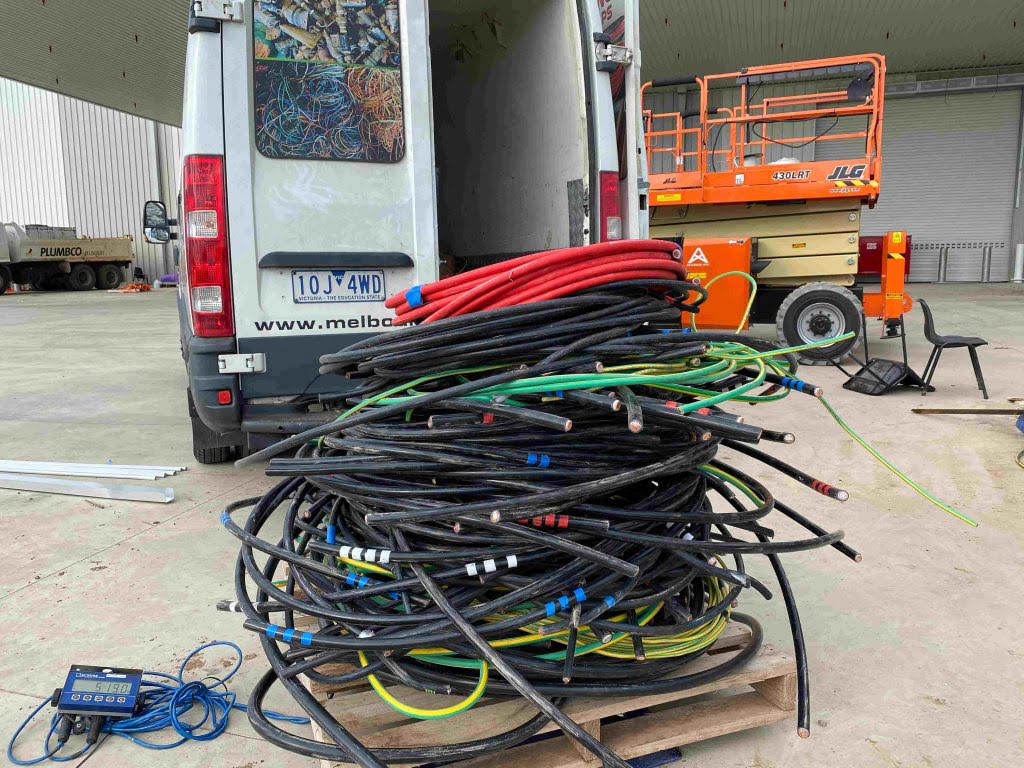
At first I did not want to handle copper cable recycling but it appeared unexpectedly during my process of cleaning out my home storage area. The initial simple task of cleaning my house turned into a situation where I found myself sitting on the ground with multiple messy wires and old extension cords and pieces of cable which I had used for previous home improvement projects. I thought to throw away the majority of items I had but then I began to question whether those items held any additional value.
I discovered proper copper cable recycling through research because I wanted to understand the process which people use to recycle copper cables.
Why I Needed It
The initial stage of the situation did not involve either financial matters or recycling procedures. Clutter was all that existed at that time. I discovered old cables from appliances I don’t even own anymore and random wiring from a shed project which occurred years ago and a few heavy coils which I didn’t even remember buying.
I almost tossed everything into a general waste bin but something about it didn’t feel right. The situation felt like one of those times when you probably miss something important which exists in plain sight.
I started to learn about copper cable recycling and I discovered that the cables actually contain valuable copper material which determines their worth. The entire bundle of materials in front of me started to look different to me.
First Impressions at the Yard
I visited a local recycling yard to learn about the entire recycling process which operates there. I wanted to find out the process of the recycling yard but I had no intention of selling any items at that moment.
The place was more organised than I expected. Trucks coming in and out, people unloading mixed materials, and staff sorting everything into different sections. Copper cables had their own area, which surprised me a bit.
There was this steady rhythm to everything—nothing felt rushed, but nothing felt slow either. Just consistent movement.
I remember standing there watching a worker cut through a thick bundle of cable, separating the outer insulation from the copper inside. It made me realise copper cable recycling isn’t just about dumping materials; it’s actually a proper sorting and recovery process.
Why Preferred and How It Worked
The process became easy for me to handle after I reached my decision to proceed. They requested that I divide the items into two categories—clean cables which should go into one bag and mixed cables which should go into the second bag. The minor action which I took ended up affecting how everything was assessed in subsequent stages.
The team conducted a full assessment through weighing all items while they evaluated their quality. They provided details about the assessment process which operators use to determine the recycling value of different copper cable materials based on their insulation degree and copper content.
The fast speed of operations became my main point of interest. All activities progressed through straightforward steps which required people to sort items and weigh them while recording the results before completing their tasks.
I listened to some regulars who discussed their scrap collection schedule from job sites while I waited. For them, copper cable recycling wasn’t a one-time thing—it was just part of their routine work cycle.
The situation helped me understand that numerous individuals encounter this problem every single day without recognizing it.
A Small Interaction
At one point, I asked one of the staff if people are usually surprised by how much difference clean cables make compared to mixed ones.
He laughed and said, “All the time. People think it’s all the same until they see the split.”
Then he added something simple like, “Clean copper is easy. Mixed cable takes work. That’s where the difference is.”
It wasn’t a long conversation, but it helped everything click in my head a bit better.
He also casually mentioned Metro Copper Recycling when talking about how different facilities handle sorting, which gave me a bit more context about how structured the industry actually is.
Actual Benefits I Didn’t Think About
One thing I didn’t expect was how much unused material just accumulates over time. Old cables, extension cords, leftover wiring—they don’t feel like much individually, but together they become a noticeable pile.
Another thing was how efficient copper cable recycling really is once you see it happening. It’s not just about disposal; it’s about recovering usable material and putting it back into circulation.
It also made me more aware of how often we overlook small materials that actually still have value.
Final Thoughts
The moment I departed from the yard I stopped thinking about the minor amount I had left behind because I began to consider the total volume of identical items that probably exists in garages and sheds and storage boxes throughout the entire area. My random clean-up work taught me more about how copper cable recycling operates through its hidden processes.
It’s one of those things you don’t really pay attention to until you see it up close. And once you do, it changes how you look at all that “junk” sitting around at home.
In the end, it wasn’t complicated at all. Just sorting, weighing, and a bit of learning along the way—and honestly, that was the most surprising part.