Why Is HVO Fuel Considered Sustainable? A UK-Focused Deep Dive
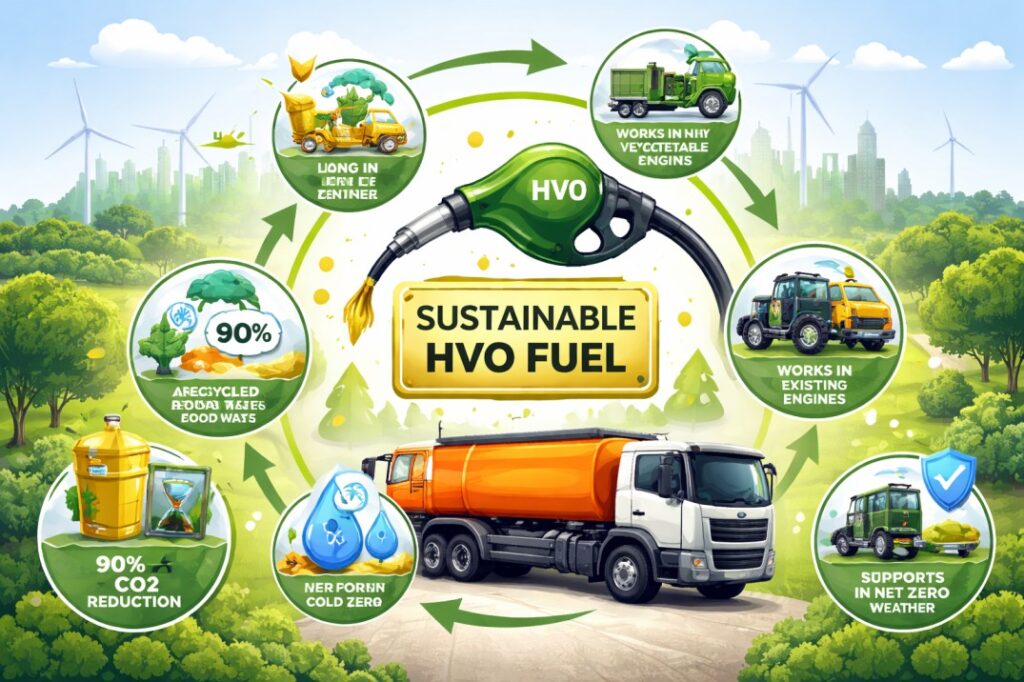
Sustainability is no longer a buzzword in the United Kingdom—it is a national priority. With ambitious net-zero targets, tightening emissions regulations, and rising environmental awareness among businesses and consumers alike, the UK is actively seeking cleaner alternatives to fossil fuels. One fuel that has gained significant attention across transport, construction, agriculture, and power generation sectors is HVO fuel. But what exactly makes HVO fuel sustainable, and why is it increasingly seen as a practical solution for the UK?
Drawing on two decades of professional content writing experience, this article explores the sustainability of HVO fuel in a clear, human, and engaging way—cutting through the noise and explaining why it stands out in today’s energy landscape.
Understanding HVO Fuel in Simple Terms
HVO stands for Hydrotreated Vegetable Oil. Unlike traditional biodiesel, which is chemically different from fossil diesel, HVO is a renewable diesel that closely mirrors the molecular structure of conventional diesel fuel.
It is produced by hydrotreating waste-derived oils and fats—such as used cooking oil, animal fats, and food industry residues—under high pressure and temperature. The result is a clean-burning fuel that works seamlessly in most existing diesel engines without modification.
This “drop-in” compatibility is one of the reasons HVO fuel is gaining traction across the UK, but its sustainability credentials go much deeper.
Made from Waste, Not Crops
One of the strongest sustainability arguments for HVO fuel lies in its feedstock.
Unlike first-generation biofuels that rely heavily on crops grown specifically for fuel production, high-quality HVO fuel is primarily made from waste and residue materials. These include:
-
Used cooking oil from restaurants and food processors
-
Animal fats from the meat industry
-
Waste oils from industrial processes
By repurposing materials that would otherwise be discarded, HVO supports a circular economy. This is particularly important in the UK, where waste reduction and resource efficiency are central to environmental policy.
Using waste-based feedstocks avoids the “food versus fuel” debate and reduces pressure on agricultural land, helping protect biodiversity and food supply chains.
Significant Reduction in Greenhouse Gas Emissions
Sustainability is ultimately measured by impact, and HVO fuel performs strongly when it comes to emissions.
When compared to traditional fossil diesel, HVO fuel can deliver up to 90% reduction in lifecycle greenhouse gas emissions. This calculation considers the entire journey of the fuel—from sourcing raw materials through production, distribution, and final use.
For UK businesses striving to meet carbon reduction targets, this offers an immediate and measurable way to lower emissions without waiting for new infrastructure or vehicle fleets.
Importantly, HVO fuel also emits lower levels of particulate matter and nitrogen oxides, contributing to improved air quality—an issue of growing concern in UK cities and urban areas.
Compatible with Existing UK Infrastructure
One of the biggest barriers to sustainable fuel adoption is infrastructure. Hydrogen, electric charging networks, and alternative fuels often require major investment and long lead times.
HVO fuel avoids this problem entirely.
It can be used in existing diesel engines, stored in current fuel tanks, and distributed through the same supply chains already in place across the UK. This makes it a practical solution for sectors such as:
-
Construction and civil engineering
-
Haulage and logistics
-
Agriculture and farming
-
Backup generators and critical power systems
From a sustainability perspective, this matters because it avoids the environmental cost of scrapping usable engines or building entirely new systems.
Reliable Performance in the UK Climate
The UK’s variable weather conditions present challenges for many fuels, particularly in colder months. Traditional biodiesel can suffer from poor cold-flow properties, leading to gelling and engine issues.
HVO fuel performs exceptionally well in cold temperatures. Its high cetane number ensures efficient combustion, smooth engine operation, and reliable starts—even in winter.
Sustainability is not just about emissions; it is also about reliability and efficiency. A fuel that causes downtime, maintenance issues, or increased consumption undermines its environmental benefits. HVO’s consistent performance strengthens its case as a truly sustainable option for UK users.
Long Shelf Life and Reduced Waste
Another often-overlooked sustainability advantage of HVO fuel is its long storage stability.
Unlike conventional biodiesel, which can degrade over time, HVO fuel is highly resistant to oxidation and microbial growth. This means it can be stored for extended periods without quality loss.
For UK industries that rely on backup generators or seasonal equipment, this reduces fuel wastage, maintenance issues, and the need for frequent replacements—all contributing to a lower environmental footprint.
Supporting the UK’s Net Zero Goals
The UK government has committed to achieving net zero carbon emissions by 2050, with interim targets along the way. While electrification and hydrogen will play major roles in the future, many sectors cannot transition overnight.
HVO fuel acts as a bridge solution—allowing immediate carbon reductions while longer-term technologies mature.
By enabling existing diesel-powered operations to significantly cut emissions today, HVO supports a pragmatic and inclusive transition rather than an all-or-nothing approach.
Encouraging Corporate Responsibility and ESG Compliance
Sustainability is no longer just an environmental issue—it is a business imperative. UK companies are increasingly assessed on Environmental, Social, and Governance (ESG) criteria by investors, regulators, and customers.
Switching to HVO fuel demonstrates proactive environmental responsibility without disrupting operations. It sends a clear message that a business is committed to reducing its environmental impact in a credible and measurable way.
This reputational benefit further strengthens HVO’s role in the UK’s sustainability journey.
Why HVO Fuel Stands Out as a Sustainable Choice
In a crowded field of alternative fuels, HVO fuel stands out because it delivers real-world sustainability, not just theoretical benefits. It reduces emissions dramatically, makes productive use of waste materials, works with existing infrastructure, and performs reliably in UK conditions.
Rather than requiring businesses to choose between sustainability and practicality, HVO fuel offers both.
Final Thoughts
HVO fuel is considered sustainable not because it is trendy or new, but because it addresses environmental challenges in a realistic, effective, and immediate way. For the United Kingdom—where the pressure to decarbonise is high and operational demands remain constant—HVO provides a powerful tool to reduce emissions today while building toward a cleaner future.
As sustainability continues to shape energy decisions across the UK, HVO fuel is likely to remain a key part of the conversation—not as a distant promise, but as a solution already delivering results.