Hurricane Tarps
When a hurricane approaches, homeowners and businesses need reliable protection for their property. One of the most trusted tools for this is the hurricane tarp. These covers are specially designed to withstand harsh weather, including heavy rain and, most importantly, extreme wind stress. But what makes these tarps so strong, and why can they resist winds that would tear apart ordinary covers? Let’s explore the science and design behind these durable tarps.
Understanding Wind Stress
Wind stress is the pressure that moving air puts on objects. During a hurricane, wind speeds can reach over 100 miles per hour. At these speeds, ordinary materials like plastic sheets or light canvas can easily tear or be blown away. The damage caused by wind stress isn’t just about the force of the wind—it’s also about how the material responds. A tarp that stretches too much or has weak points can fail quickly, leaving the property underneath exposed.
Hurricane tarps are designed with this in mind. Every detail, from the material used to the way the tarp is reinforced, plays a role in helping it resist extreme wind stress.
High-Strength Materials
One of the main reasons hurricane tarps resist wind damage is the material they are made from. These tarps are often constructed from heavy-duty polyethylene, vinyl, or reinforced canvas. These materials have a high tensile strength, which means they can withstand significant pulling forces without tearing. The weave of the material also matters. Many hurricane tarps feature a tight, reinforced weave that prevents wind from easily ripping through the fabric. Some even include a laminated coating that adds another layer of protection. This combination of material strength and construction allows the tarp to stay intact even when strong gusts hit.
Reinforced Edges and Grommets
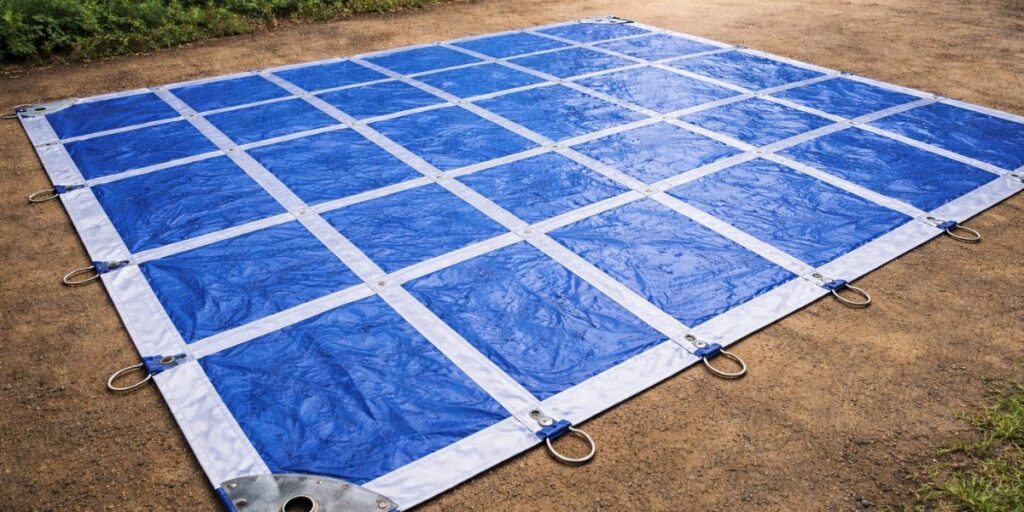
Even the strongest fabric can fail if the edges are weak. That’s why hurricane tarps often have reinforced edges and heavy-duty grommets. The reinforced edges prevent the material from fraying, while the grommets allow secure fastening to anchor points like poles, stakes, or ropes.
By distributing the wind force evenly across multiple points, the tarp can resist being lifted or torn. Proper anchoring is crucial; a hurricane tarp is only as strong as the way it is secured. This is why experts recommend attaching the tarp to stable structures and ensuring all grommets are used for maximum strength.
Aerodynamic Design
Some hurricane tarps are designed to reduce wind resistance through aerodynamic features. For example, certain models have a shape that allows wind to flow over the surface rather than catching and pushing it like a sail. This design minimizes the pressure on any single point of the tarp, reducing the risk of tears or flapping.
Additionally, the tarp’s flexibility plays a role. A tarp that can bend slightly under pressure without ripping can better absorb wind stress. This flexibility works like shock absorption, preventing sudden bursts of force from damaging the material.
UV and Weather Resistance
Wind isn’t the only challenge during a hurricane. Rain, intense sunlight, and flying debris all place extra stress on tarps. UV-resistant coatings protect the fabric from breaking down or becoming brittle under prolonged sun exposure, while waterproof layers prevent water from seeping through and adding weight. Together, these features ensure hurricane tarps maintain their strength, durability, and flexibility, allowing them to withstand not just strong winds but the full range of harsh storm conditions.
Size and Proper Fit
Choosing the correct size tarp is essential for effective hurricane protection. A tarp that is too small leaves parts of your property exposed, reducing its protective value. On the other hand, an oversized tarp can act like a sail, catching strong gusts and creating extra stress on attachment points, which increases the risk of tearing. By carefully measuring the area to be covered and selecting a properly fitting tarp, you ensure even tension, better stability, and maximum resistance against high winds.
Proper Installation
Even the strongest hurricane tarps can fail without proper installation. Securing all corners and edges is essential, and using extra tie-downs or ropes can provide additional stability. Checking anchor points beforehand ensures they are strong enough to hold the tarp during high winds. Correct installation helps distribute wind pressure evenly across the tarp, reducing strain on any single area and maximizing its ability to withstand extreme forces while keeping the property underneath safe.
Long-Term Durability
Hurricane tarps are built not only for one-time use but also for multiple storms. The combination of strong materials, reinforced construction, and smart design ensures that the tarp remains reliable year after year. This long-term durability is especially important for businesses or homeowners in hurricane-prone areas who need dependable protection without frequent replacements.
Conclusion
Hurricane tarps are more than just heavy sheets of material. They are carefully engineered to resist extreme wind stress through a combination of strong materials, reinforced edges, smart design, and proper installation. By choosing high-quality tarps and using them correctly, property owners can significantly reduce the risk of damage during severe storms. For anyone in the USA looking for reliable storm protection, investing in Hurricane Tarps is a practical choice. With the right tarp and proper setup, you can safeguard your property against the power of extreme winds and storms. For reliable protection, Tarps Plus provides high-quality, hurricane-resistant tarps designed to keep your property safe during severe storms and strong winds.