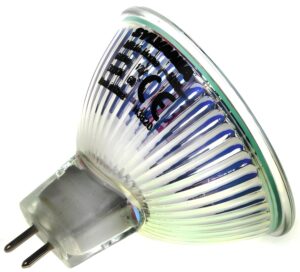
Sylvania Reflector Lamp
A Sylvania Reflector Lamp is built to direct light exactly where you need it, rather than spreading it in every direction. Because reflector designs shape and control the beam, they are a practical choice for task areas, retail displays, signage, hospitality spaces, and many industrial environments. As a result, you can improve visibility, reduce wasted light, and support consistent lighting performance.
Although reflector lamps look simple, the engineering behind them is closely connected to electronics, thermal control, and safety. When you select the right model, you can balance brightness, beam angle, energy use, and long term reliability.
What makes reflector lamps different
Reflector lamps use an internal reflective surface to collect and project light forward. Therefore, they are ideal when you want targeted illumination.
Common reasons buyers choose reflector lamps include:
-
Controlled beam spread for spotlighting and accent lighting
-
Reduced glare when installed correctly
-
Improved efficiency because light is directed to the working area
-
Reliable performance across repeated switching cycles
In many applications, reflector lamps are paired with switches, fittings, and connectors that need stable operation. Consequently, choosing the correct lamp type helps protect the full lighting system.
Key types of Sylvania reflector lamps
Different reflector styles exist for different fixtures and lighting goals. While naming can vary, these are common reflector categories you will see in practice.
R and BR style reflector lamps
R style reflector lamps are shaped to reflect and direct light forward. BR versions typically have a broader, softer beam profile. For example, BR lamps can suit general area lighting where you want wide coverage, while R styles can be used for a more defined beam.
PAR reflector lamps for punch and precision
PAR lamps are often chosen for stronger beam control and consistent optics. They are common in track lighting, display lighting, and outdoor fixtures where weather rated housings and stable performance matter. Because they are frequently used in demanding environments, safety, heat management, and correct compatibility become even more important.
LED reflector options
Many modern reflector lamps use LEDs. This supports lower energy use and long service life when installed in suitable fixtures. However, LED performance depends on driver quality, thermal design, and the electronics inside the lamp. Therefore, it is smart to match the lamp to the application instead of choosing only by wattage.
Beam angles, brightness, and how to choose correctly
Choosing a reflector lamp is easier when you focus on three linked factors: beam angle, brightness, and distance.
Beam angle and coverage
Beam angle controls how wide the light spreads. Narrow beams are useful for highlighting specific objects or work zones. Wider beams better suit general coverage.
A simple way to think about it:
-
Narrow beam for focused display or long throw
-
Medium beam for balanced task and accent needs
-
Wide beam for broader coverage across rooms and corridors
Because reflector lamps are often used to highlight products, signage, or work surfaces, beam angle selection can directly impact visual comfort and effectiveness.
Brightness and real world performance
Brightness is usually measured in lumens. Higher lumens can help in high ceiling areas or where strong visibility is needed. Still, brightness should match the environment. Otherwise, glare can become an issue.
Also consider how the lamp is controlled. For example, frequent switching and dimming can affect performance depending on the electronics and driver design. In LED reflector lamps, the internal capacitor and controller components help regulate power delivery and stability.
Distance and placement
Mounting height and distance from the target surface matter. If the lamp is too close, the light can look harsh. If it is too far, you can lose the intended effect. Therefore, review the fixture location first, then choose beam angle and brightness accordingly.
Thermal management and reliability
Heat is one of the biggest factors that affects lamp life and performance. Even efficient LEDs produce heat that must be moved away from sensitive electronics. That is why thermal design is critical.
Key points to keep in mind:
-
Enclosed fixtures can trap heat and reduce life
-
Poor airflow can raise temperature around the lamp base
-
High ambient heat can change colour consistency and output
-
Thermal pads and heat sinking materials help protect internal components
Although reflector lamps are a lighting product, they behave like compact electronics assemblies. Inside, you may find drivers, microcontrollers, and supporting circuits that manage power flow. Consequently, better thermal control usually means better stability and longer life.
Electronics compatibility in lighting systems
Reflector lamps often sit inside a larger system that includes controls, wiring, and protection devices. That is why compatibility matters.
Wiring, cables, and connectors
Correct cables and connectors help maintain stable voltage and reduce unwanted heat buildup at connection points. Loose connections can create resistance, which increases heat and can trigger early failure. Therefore, always check socket condition and terminal tightness during installation.
Switching, dimming, and control devices
Reflector lamps can be used with standard switches, but some setups use dimmers, sensors, or automated controllers. In these cases, compatibility is essential.
Consider:
-
Dimming type and whether the lamp supports it
-
Sensors for occupancy or daylight control
-
Controllers that manage lighting schedules
-
Contactors used in commercial installations
When contactors and controllers are involved, the system can cycle power frequently. A compatible lamp design helps maintain consistent output and protects the internal electronics.
Protection and safety components
Lighting circuits often include fuses for protection. If a circuit fault happens, fuses and protective devices limit damage to wiring and fixtures. Therefore, ensuring the correct rated protection is part of responsible installation and maintenance.
Safety and installation best practices
Safety is not only about electrical risks. It also includes heat, handling, and correct mounting.
Follow practical precautions:
-
Turn off power before replacing lamps
-
Allow hot lamps to cool before handling
-
Use appropriate tools and grips for safe removal
-
Confirm the lamp base type matches the fitting
-
Avoid forcing lamps into sockets
In industrial and commercial sites, safe work procedures may require lockout steps and verification. Also, if your site uses sensors or controllers, test the switching behaviour after installation to confirm stable operation.
Where reflector lamps deliver the most value
A reflector lamp becomes especially valuable when you need controlled illumination. Because the beam is shaped, you can improve efficiency and reduce spill light.
Common use cases include:
-
Retail displays and product highlighting
-
Hospitality spaces, lobbies, and feature walls
-
Workshops and task benches
-
Signage, galleries, and directional lighting
-
Outdoor fixtures with suitable housings
If your application has electronics nearby, such as laptops, controllers, or other equipment, stable lighting can reduce visual strain and create a more professional workspace. In addition, reliable reflector lamps support consistent colour and brightness, which helps presentation and accuracy.
How to select the right Sylvania Reflector Lamp for your project
To choose effectively, evaluate the environment first, then confirm the technical match. This helps avoid early failure and ensures performance is aligned with the goal.
Use this checklist:
-
Identify the fixture type and base compatibility
-
Choose beam angle based on target size and distance
-
Select brightness suitable for the space and task
-
Confirm whether LEDs are preferred for efficiency and long life
-
Check thermal conditions, especially for enclosed fittings
-
Verify compatibility with switches, sensors, and dimmers
-
Ensure protective devices, such as fuses, are correctly rated
When you follow a structured approach, you reduce trial and error. As a result, you get better lighting quality and fewer maintenance issues over time.
Final thoughts
A Sylvania Reflector Lamp is a smart choice when you want focused, controlled lighting with dependable performance. Because reflector lamps combine optical design with modern electronics and thermal considerations, selecting the correct type improves both efficiency and reliability. With the right beam angle, brightness, and compatibility, you can create lighting that supports safety, comfort, and professional results across many real world applications.