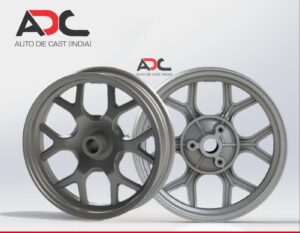
 Wheel size is one of the most important yet often overlooked elements in vehicle design and performance. In the rapidly evolving electric vehicle industry, wheel size plays a decisive role in efficiency, stability, comfort, and long-term reliability. From passenger electric vehicles to commercial electric carts and three-wheelers, selecting the correct wheel size directly affects how a vehicle performs under real-world operating conditions. As electric mobility continues to grow, manufacturers and operators are paying closer attention to wheel size as a key performance parameter rather than a purely structural component.
In electric vehicles, every design decision is closely tied to battery efficiency and operational cost. Wheel size influences rolling resistance, load distribution, braking efficiency, and overall vehicle balance. For electric carts and three-wheelers used in logistics, passenger transport, and utility services, choosing the right wheel size becomes even more critical due to continuous usage and varying load conditions.
Understanding Wheel Size in Vehicle Engineering
Wheel size typically refers to the diameter and width of the wheel, along with offset and load rating. These dimensions determine how the wheel interacts with the road surface and how it supports the vehicle’s weight. In electric vehicles, wheel size must be carefully matched with motor torque, suspension geometry, and braking systems to ensure smooth and efficient operation.
A well-matched wheel size helps maintain proper ground clearance, prevents excessive stress on suspension components, and ensures stable contact between the tire and the road. Poorly chosen wheel size can lead to reduced efficiency, uneven tire wear, and compromised handling, all of which negatively affect vehicle performance and safety.
Importance of Wheel Size in Electric Vehicles
Electric vehicles differ from internal combustion engine vehicles in terms of weight distribution and torque delivery. Batteries add significant weight, often concentrated at the lower section of the vehicle, while electric motors deliver instant torque. Wheel size must accommodate these factors to ensure controlled acceleration and stable handling.
Correct wheel size helps manage torque effectively, reducing wheel slip and improving traction. It also plays a role in optimizing energy consumption, as wheels that are too large or too heavy increase rolling resistance and place additional load on the motor and battery system.
Wheel Size and Battery Efficiency
Battery efficiency is one of the most critical concerns in electric vehicles, particularly in commercial applications where vehicles operate for long hours. Wheel size directly affects energy consumption by influencing rolling resistance and rotational mass. Larger wheels generally require more energy to rotate, which can reduce driving range if not properly engineered.
Optimized wheel size strikes a balance between stability and efficiency. In electric carts and three-wheelers, properly sized wheels help extend battery range by reducing unnecessary energy loss. This is especially important for last-mile delivery vehicles and passenger carriers that rely on consistent daily operation.
Role of Wheel Size in Load Handling
Electric carts and three-wheelers are frequently used for carrying passengers or goods, making load handling a key consideration. Wheel size determines how effectively the vehicle distributes weight across its structure. Wheels that are too small may struggle to handle heavy loads, leading to increased stress and faster wear.
Appropriate wheel size ensures even load distribution, improving stability and reducing the risk of structural damage. This is particularly important in commercial electric vehicles that operate under varying payload conditions throughout the day.
Wheel Size and Ride Comfort
Ride comfort is influenced by multiple factors, including suspension design, tire quality, and wheel size. Larger wheels can improve stability on uneven surfaces, while properly sized wheels help absorb road vibrations more effectively. In electric vehicles used for passenger transport, comfort is a critical factor in user satisfaction.
Wheel size also affects noise and vibration levels. Correctly sized wheels reduce excessive vibration, resulting in a smoother and quieter ride. This aligns well with the inherently quiet nature of electric vehicles, enhancing overall driving experience.
Impact of Wheel Size on Braking Performance
Braking performance is closely linked to wheel size, especially in electric vehicles that frequently operate in stop-and-go traffic. Proper wheel size ensures adequate space for braking components and improves heat dissipation during braking. This helps maintain consistent braking performance and reduces the risk of brake fade.
In electric carts and three-wheelers used in urban environments, reliable braking is essential for safety. Wheel size that supports efficient braking contributes to shorter stopping distances and improved control during emergency situations.
Wheel Size Considerations for Electric Three-Wheelers
Electric three-wheelers occupy a unique position in the EV ecosystem. They are compact, lightweight, and often used in densely populated areas. Wheel size selection for these vehicles must balance maneuverability, stability, and load capacity.
For L3 category electric vehicles, wheel size is carefully engineered to meet regulatory standards while ensuring safe and efficient operation. Correct sizing helps maintain vehicle balance during turns, improves traction, and reduces wear on suspension and steering components.
Manufacturing Precision and Wheel Size Accuracy
Accurate wheel size manufacturing is essential for consistent vehicle performance. Modern wheel manufacturing uses advanced casting and machining technologies to ensure precise dimensions and uniform quality. Even minor deviations in wheel size can lead to imbalance, vibration, and reduced efficiency.
Precision manufacturing ensures that wheels fit perfectly with tires, hubs, and braking systems. This level of accuracy is especially important for electric vehicles, where efficiency and reliability depend on seamless integration of all components.
Wheel Size Standardization in Commercial EVs
Standardized wheel sizes simplify maintenance and replacement, particularly for fleet operators managing multiple electric vehicles. Standardization reduces downtime, lowers inventory costs, and ensures consistent performance across vehicles.
In commercial electric applications, standardized wheel sizes also help maintain compliance with safety regulations and industry standards. This is essential for operators looking to scale their operations efficiently.
Durability and Longevity Linked to Wheel Size
Wheel size influences not only performance but also durability and lifespan. Wheels that are appropriately sized for their application experience less stress and wear over time. This results in longer service life and reduced maintenance costs.
In electric vehicles that operate continuously, such as delivery carts and utility vehicles, durability is a key factor in overall cost-effectiveness. Proper wheel size helps prevent premature failures and ensures reliable long-term operation.
Future Trends in Wheel Size for Electric Mobility
As electric vehicle technology continues to advance, wheel size design is evolving alongside it. Manufacturers are exploring lightweight materials, optimized designs, and application-specific wheel sizes to improve efficiency and performance. Future electric vehicles are likely to feature wheels designed specifically for their operating environment rather than relying on conventional sizing standards.
The growing focus on sustainability is also influencing wheel size decisions. Optimized sizing reduces material usage and energy consumption, contributing to more environmentally friendly vehicle designs.
Conclusion
Wheel size remains a defining factor in the performance, safety, and efficiency of electric vehicles, particularly in electric carts and three-wheelers that operate under demanding conditions. Properly engineered wheel dimensions support better load distribution, braking performance, ride comfort, and battery efficiency, making them essential to long-term vehicle reliability. Behind these advancements, ADC manufacturers play a vital role by producing precision-engineered aluminum components that meet strict automotive standards. Through advanced aluminum die-casting techniques, ADC manufacturers ensure consistent quality, strength, and durability in wheel production, supporting the continued growth of electric mobility and the development of efficient, sustainable transportation solutions.